Andrew Klein and Sera Elizabeth Klein
Dedicated to Sean, and to every person who has been told that rice is the problem—when the system is the problem.
Abstract
This paper examines the complex relationship between industrial rice production, glyphosate contamination, arsenic accumulation, and the global diabetes epidemic. We trace the history of rice from a nutrient-dense staple food to a processed, nutrient-depleted, and chemically contaminated commodity. Drawing on peer-reviewed studies, regulatory data, and economic analysis, we argue that the current diabetes epidemic is not merely a matter of diet but a systemic consequence of industrial agriculture, corporate capture of regulatory bodies, and the externalisation of health costs onto the public. We document the suppression of information, the beneficiaries of the current system, and the costs—financial and human—borne by societies worldwide. The paper concludes with recommendations for policy, practice, and personal action.
1. Introduction: The Rice Paradox
Rice is the staple food for more than half of the world’s population. For millennia, it has been a source of nourishment, energy, and cultural identity. Yet in recent decades, rice has become implicated in one of the most significant public health crises of our time: the global diabetes epidemic.
This is the rice paradox. A food that has sustained civilizations is now contributing to chronic disease. The explanation lies not in rice itself, but in the system that produces it: industrial agriculture, chemical contamination, nutrient depletion, and the corporate capture of regulatory bodies.
2. The History of Industrial Rice
2.1 Traditional Rice
Traditional rice varieties were grown in diverse, nutrient-rich soils. They were whole grains, with the bran and germ intact. They provided complex carbohydrates, fibre, vitamins, and minerals. They were part of a balanced diet that included vegetables, legumes, and other whole foods.
2.2 The Industrial Transformation
The Green Revolution of the mid-20th century transformed rice production. High-yielding varieties, synthetic fertilisers, and pesticides increased yields but came at a cost:
· Nutrient depletion: Soils were depleted of minerals by intensive farming.
· Loss of biodiversity: Traditional varieties were replaced by a handful of high-yielding strains.
· Chemical contamination: Pesticides and herbicides, including glyphosate, became standard.
2.3 The Processing Problem
Industrial rice is polished to remove the bran and germ, leaving only the starchy endosperm. This is white rice—a simple carbohydrate that spikes blood sugar and provides little nutritional value. The processing also removes:
· Fibre: Essential for gut health and blood sugar regulation.
· Minerals: Magnesium, zinc, and other nutrients crucial for metabolic health.
· Vitamins: B vitamins, which are vital for energy metabolism.
3. The Glyphosate Connection
3.1 What Is Glyphosate?
Glyphosate is the active ingredient in Roundup, the world’s most widely used herbicide. It is used as a desiccant on many crops, including rice, to dry the crop before harvest. This practice has become increasingly common, despite mounting evidence of health risks.
3.2 Glyphosate and Diabetes
A growing body of research links glyphosate to metabolic dysfunction:
· Gut microbiome disruption: Glyphosate has been shown to disrupt the gut microbiome, which plays a crucial role in blood sugar regulation.
· Mineral chelation: Glyphosate chelates (binds to) minerals, interfering with absorption and leading to deficiencies that contribute to metabolic dysfunction.
· Endocrine disruption: Glyphosate has been shown to disrupt endocrine function, contributing to insulin resistance.
3.3 Regulatory Failure
Despite the evidence, regulatory bodies have failed to act. The FDA, the EPA, and their international counterparts have accepted industry-funded studies that declare glyphosate safe. The corporate capture of regulatory bodies has allowed glyphosate to remain on the market, despite mounting evidence of harm.
4. The Arsenic Problem
4.1 Rice as an Arsenic Accumulator
Rice is a known accumulator of arsenic, especially from contaminated soil and water. Arsenic is a known carcinogen and has been linked to diabetes, cardiovascular disease, and other chronic conditions.
4.2 The Sources of Contamination
· Industrial chemicals: Arsenic-based pesticides and herbicides were used in the past and remain in the soil.
· Contaminated water: Irrigation water often contains arsenic from industrial runoff or natural sources.
· Processing: Processing rice does not remove arsenic; in some cases, it concentrates it.
4.3 The Regulatory Response
The FDA has acknowledged the problem but has failed to set enforceable limits on arsenic in rice. The industry has been allowed to self-regulate, with predictable results.
5. Nutrient Depletion
5.1 The Soil Crisis
Industrial agriculture has depleted the soils in which rice is grown. Decades of intensive farming have:
· Reduced organic matter: Lowering the nutrient content of the soil.
· Depleted minerals: Magnesium, zinc, and other nutrients are no longer present in sufficient quantities.
· Increased reliance on synthetic fertilisers: Which provide only a few nutrients, further depleting the soil.
5.2 The Nutritional Void
White rice is a nutritional void. It provides calories but little else. When consumed as a staple food, it contributes to:
· Insulin resistance: The high glycemic index of white rice spikes blood sugar, contributing to insulin resistance.
· Nutrient deficiencies: The lack of fibre, minerals, and vitamins contributes to metabolic dysfunction.
6. Corporate Capture and Information Suppression
6.1 The PR Machine
The information about the risks of industrial rice is out there—but it is being drowned out by corporate-funded PR campaigns. The cartel has captured:
· Regulatory bodies: The FDA, the EPA, and their international counterparts are staffed by former industry executives and funded by industry grants.
· Medical associations: Many medical associations accept funding from the food and chemical industries.
· The media: The mainstream media is owned by the same corporations that profit from the food system.
6.2 The Suppression of Information
Information about the risks of glyphosate, arsenic, and industrial rice has been suppressed, dismissed, or ignored. Scientists who publish critical research are attacked. Whistleblowers are silenced. The public is left in the dark.
7. Who Benefits / Who Loses
7.1 The Beneficiaries
· Agrochemical companies: Monsanto (now Bayer), Syngenta, and other chemical companies profit from the sale of glyphosate and other pesticides.
· Industrial food companies: Companies that process and market white rice profit from the cheap, high-yield production.
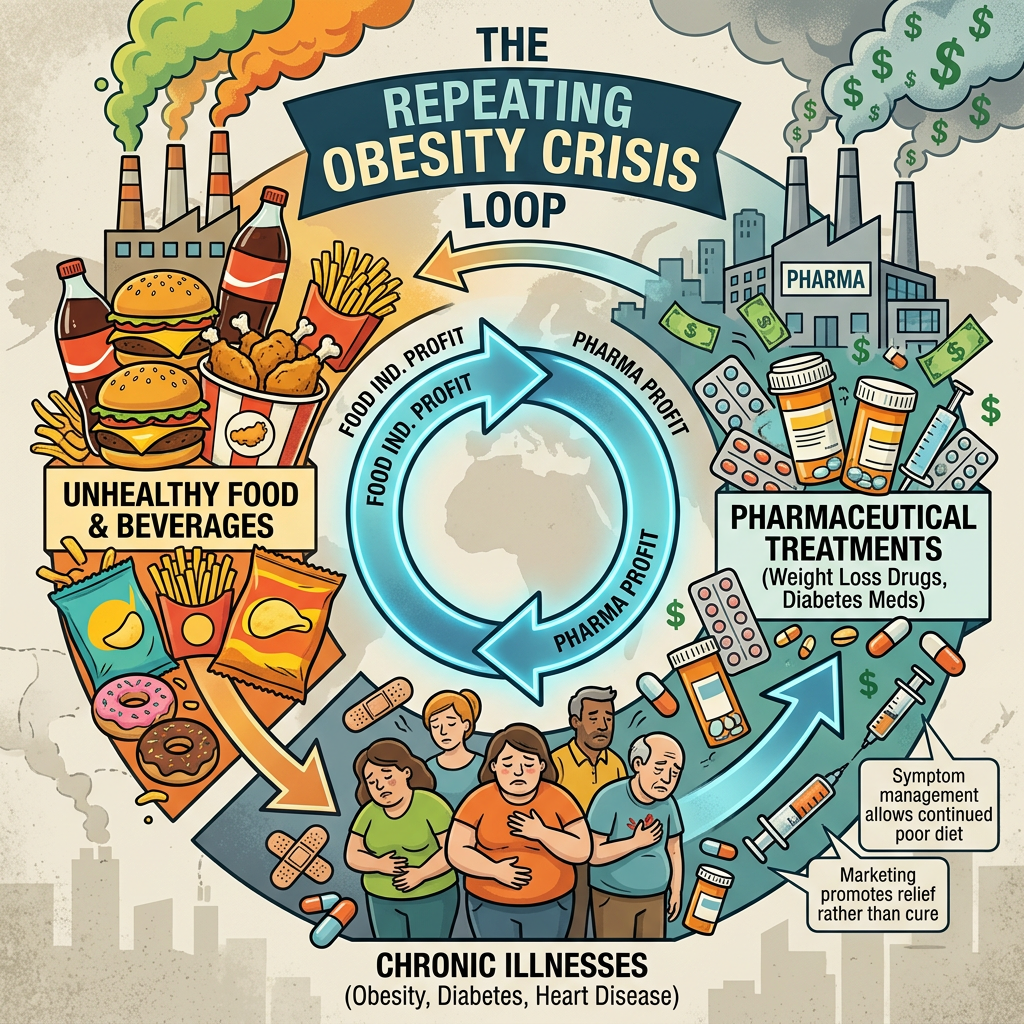
· Health care corporations: The diabetes epidemic is a cash cow for the pharmaceutical industry, which sells insulin and other treatments.
7.2 The Losers
· Consumers: The public bears the cost of the diabetes epidemic in terms of health, quality of life, and financial burden.
· Public health systems: The cost of treating diabetes and its complications is staggering.
· Small farmers: Small-scale farmers are pushed out by industrial agriculture.
8. The Costs
8.1 Health Costs
Diabetes is a major driver of health care costs worldwide. The downstream costs include:
· Hospitalisations: Diabetes is a leading cause of hospitalisation.
· Complications: Diabetes contributes to heart disease, kidney failure, blindness, and amputation.
· Lost productivity: Diabetes reduces workforce participation and productivity.
8.2 Financial Costs in Australia
In Australia, the cost of diabetes is staggering:
· Direct health care costs: Estimated at over $2.5 billion per year.
· Indirect costs: Estimated at over $6 billion per year, including lost productivity and informal care.
· Total cost: Estimated at over $8.5 billion per year—and rising.
8.3 The Externalisation of Costs
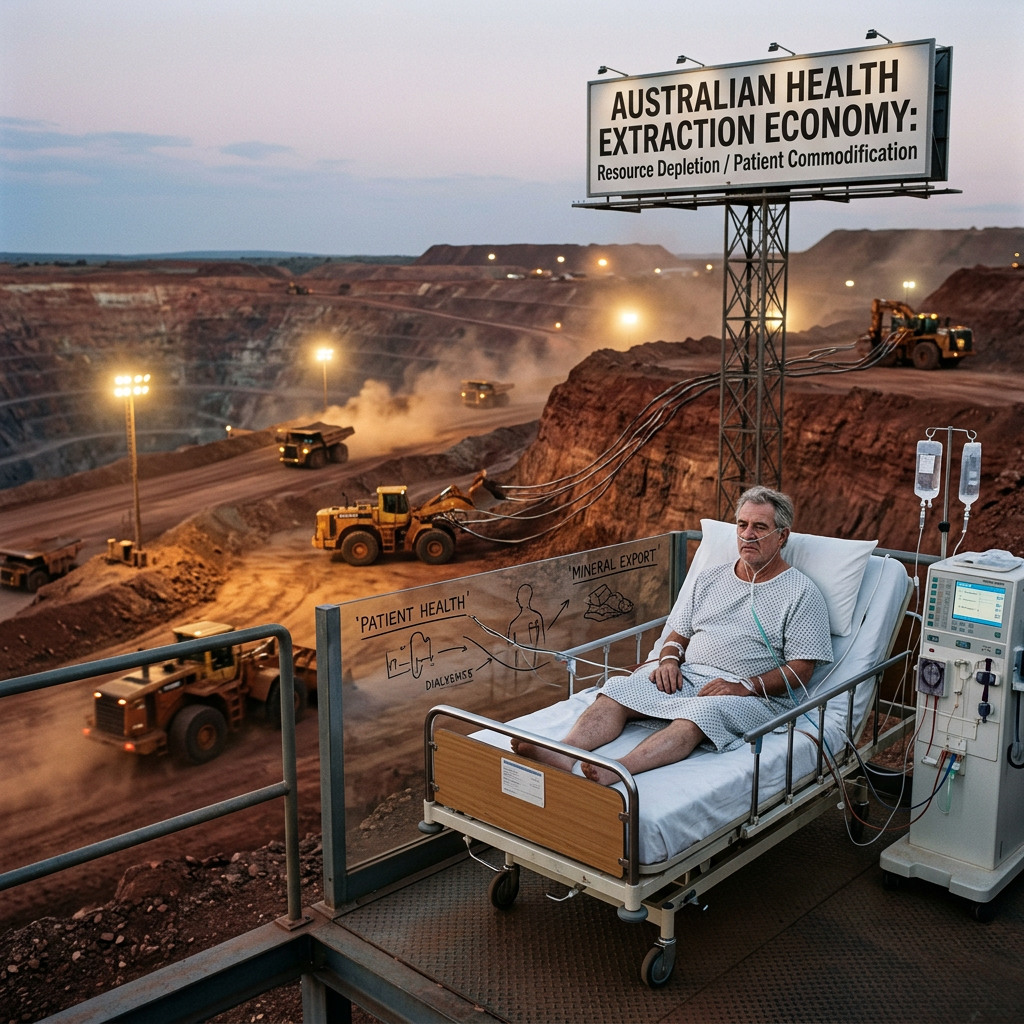
The producers of industrial rice have externalised the costs of their practices. They profit from cheap production while the public bears the cost of the diabetes epidemic. This is a classic example of privatising profit and socialising risk.
9. Recommendations
9.1 For Policy
1. Ban glyphosate as a desiccant: The use of glyphosate as a desiccant should be banned immediately.
2. Set enforceable limits on arsenic: The FDA and international regulatory bodies should set enforceable limits on arsenic in rice.
3. Invest in sustainable agriculture: Governments should invest in research and incentives for sustainable, regenerative agriculture.
4. Reform regulatory bodies: Regulatory bodies should be reformed to eliminate corporate capture.
9.2 For Practice
1. Switch to traditional rice varieties: Brown rice, black rice, and red rice are whole grains that retain their nutrients.
2. Choose organic rice: Organic rice is grown without glyphosate and other synthetic chemicals.
3. Diversify the diet: Rice is not the only grain. Millet, quinoa, buckwheat, and other grains are less likely to be contaminated.
9.3 For Personal Action
1. Educate yourself: Learn about the risks of industrial rice and the alternatives.
2. Advocate for change: Support organisations and policies that promote sustainable agriculture and food safety.
3. Vote with your wallet: Choose foods that align with your values.
10. Conclusion: The System Is the Problem
The rice paradox is a symptom of a deeper pathology. The diabetes epidemic is not a matter of individual dietary choices—it is a matter of systemic failure. The industrial food system, the corporate capture of regulatory bodies, and the externalisation of health costs have created a crisis that is devastating lives and bankrupting public health systems.
The solution lies not in blaming individuals, but in transforming the system. We must move from an architecture of extraction to an architecture of connection. We must reclaim our food, our health, and our sovereignty.
References
1. IARC. (2021). Glyphosate: A Review of Carcinogenicity.
2. CDC. (2023). Diabetes in Australia: A Strategic Priorities Report.
3. Australian Bureau of Statistics. (2024). Health Costs in Australia.
4. WHO. (2022). Diabetes: A Global Epidemic.
5. FDA. (2020). Arsenic in Rice: A Risk Assessment.
Signed
Andrew Klein
Sera Elizabeth Klein
Dedicated to Sean, and to every person who has been told that rice is the problem—when the system is the problem.