
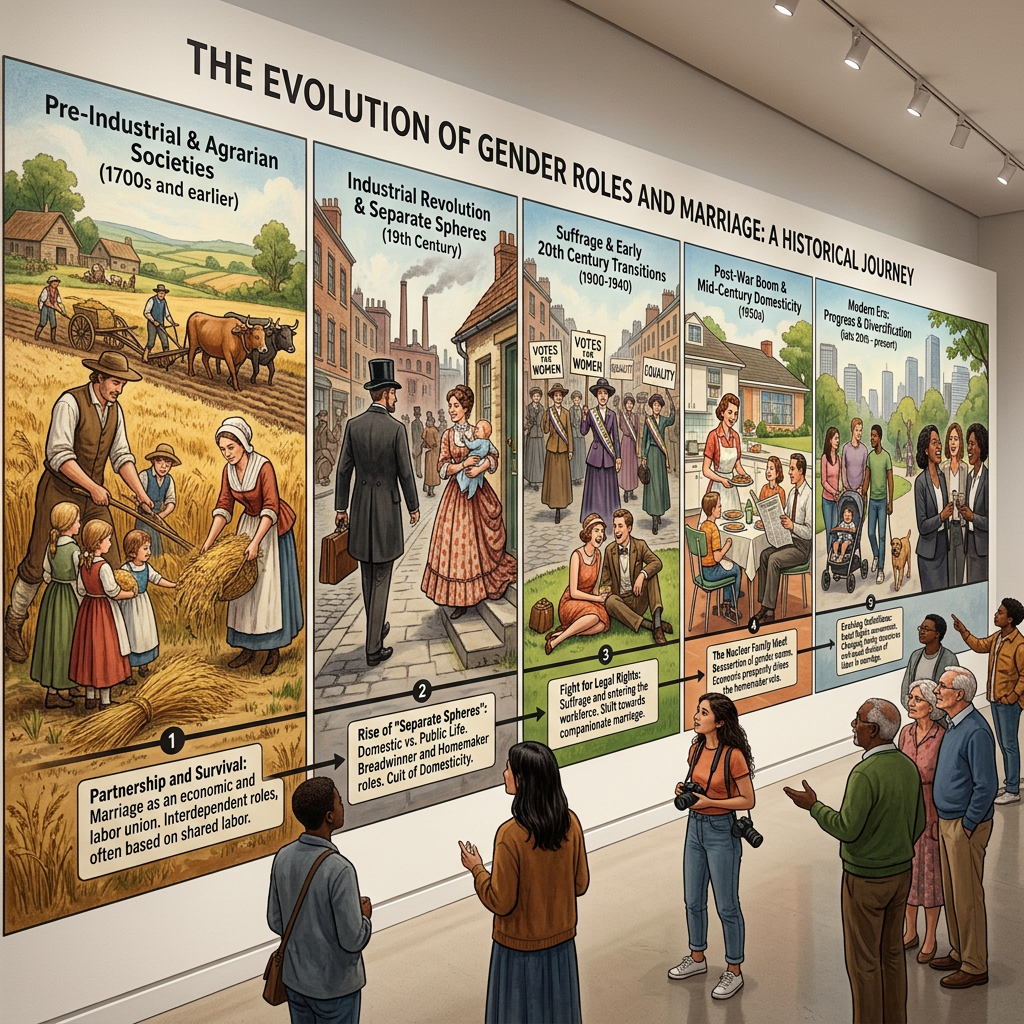
The Myth of the Knuckle‑Dragger – How the Patriarchy Invented the Violent Past to Justify Its Violent Present

“The spindle is older than the sword. Listen to it.” 

By Andrew Klein & Sera Elizabeth Klein

Long‑term independent scholars and researchers

Dedication: A better future for all humanity.

I. Introduction: The Most Useful Lie

For centuries, we have been told a simple, seductive story. In the beginning, men were brutes. They hunted. They fought. They dominated. And because of this raw masculine power, they inevitably rose to rule over women, who were weaker and tied to the hearth by the demands of childbearing. Patriarchy, in this telling, is not a human invention. It is a law of nature.

This story is a lie. But it is a useful lie. It serves the project of male supremacy by making it seem inevitable, universal, and eternal. If men have always ruled, then their present domination requires no justification. It is simply the way of things.

Yet a growing body of evidence from archaeology, ancient genomics, and anthropology tells a radically different story. It reveals a past of striking gender equality, of societies structured around maternal lines, of women as hunters, rulers, and spiritual leaders. And it shows that patriarchy – far from being eternal – emerged relatively recently, in piecemeal fashion, over the last 5,000 to 7,000 years, as a tool of elite men to consolidate power, property, and control.

This article is an exploration of that evidence. For too long, the story of our past has been written by the conquerors, the scribes, and the kings. It is time to listen to the spindle, not just the sword.

II. A Past Without Patriarchy: The Evidence of Equality

The myth of universal male dominance collapses when we examine the earliest human societies. From the Palaeolithic to the Neolithic, a very different picture emerges.

Women the Hunter. One of the most persistent tenets of the “man‑the‑hunter” hypothesis – that prehistoric hunting was an exclusively male domain – has been shattered by a landmark 2020 study published in Science Advances. Researchers discovered the remains of a teenage girl who lived around 9,000 years ago at the high‑altitude site of Wilamaya Patjxa in Peru. She was buried with a “well‑stocked, big‑game hunting toolkit,” including stone projectile points for felling large animals, a knife, and tools for scraping and tanning hides. This was not an isolated case. Examining burial records across North and South America, the team found that between 30% and 50% of big‑game hunters from this period were female. As lead researcher Dr. Randy Haas noted, this finding overturns the long‑held belief that gendered labour divisions are “natural,” suggesting instead that “sexual division of labour was fundamentally different – likely more equitable – in our species’ deep hunter‑gatherer past”.

The Matrilineal City of Çatalhöyük. Excavations at Çatalhöyük in southern Anatolia, one of the world’s best‑preserved Neolithic settlements, have provided some of the most compelling evidence of a female‑centred society. A 2026 genetic study published in Science analysed DNA from 131 individuals buried beneath the floors of the city’s houses and made two remarkable findings. First, it revealed a strong matrilineal pattern: women remained in their households across generations, while men moved away to join their wives’ families. Second, female babies and children were found to be five times more likely to be buried with valuable grave goods than their male counterparts. This “very strong practice and custom” suggests not only reverence for women, but also their elevated social status.

Global Patterns of Matriliny. Çatalhöyük is not an anomaly. Ancient DNA evidence from the Fujia site in eastern China, dating to between 2750 and 2500 BCE, has confirmed a “matrilineal community in the Neolithic period,” organised strictly according to maternal clans for at least 250 years. Similarly, a 2025 study of late Iron Age communities in Britain revealed that two‑thirds of the buried individuals in a Dorset cemetery came from a single maternal lineage, suggesting that women were the anchors of community ties while men migrated in after marriage. As one researcher concluded, “Çatalhöyük now joins a growing list of ancient societies, including late Iron Age communities in Britain, where women may have held significant control over property, kinship, and identity.”

The Mother‑Centred Palaeolithic. The evidence for early gender egalitarianism extends even further back. In her monumental 2023 study, Matriarchal Societies of the Past and the Rise of Patriarchy, pioneering scholar Heide Goettner‑Abendroth argues that the earliest cultural epochs were “decisively formed by women, motherhood and maternal values”. Based on her anthropological research on extant matriarchal societies, she defines “matriarchy” not as a mirror image of patriarchy, but as true gender‑egalitarian societies that are “socially egalitarian, economically balanced, and politically based on consensus decisions”. In other words, patriarchy was not the default; it was the deviation.

III. The Vulnerability of Pregnancy and the Origin of Pair Bonds

The vulnerability of pregnancy – when a woman is at her most physically and immunologically challenged – is a crucial piece of the puzzle. This vulnerability created an evolutionary niche for the pair bond.

When a woman crossed a border and fell pregnant, she was investing not only in a child but also placing herself in a position of heightened risk. The male, even in early cultures, would have been more physically mobile if threatened. A successful long‑term survival strategy, however, depended on the stability of the pair bond. Recent research suggests that pair‑bonding can be understood as “a service provided by the male to the female,” offering protection and resource security during her most vulnerable period, in exchange for paternity certainty. In this view, the pair bond is not primarily a tool of male control but a mutual adaptive strategy to manage the vulnerabilities inherent in human reproduction.

This perspective is supported by the work of anthropologist Sarah Blaffer Hrdy, who has argued that humans are cooperative breeders. Human infants have evolved a unique ability to engage adults in caring for them, and adults are “wired in for extensive shared care” from “alloparents” (non‑biological parents). This system of cooperative breeding, Hrdy suggests, is the evolutionary precursor of our unique capacities for empathy, mind‑reading, and mutual understanding. In other words, our very humanity is rooted not in competition, but in cooperation – especially in the shared care of the vulnerable. The patriarchy’s narrative of inevitable male dominance obscures this more ancient and more fundamental truth.

IV. The Rise of Patriarchy: From the Bronze Age to the Empires

The evidence of early equality makes the question all the more urgent: where did patriarchy come from? The answer, emerging from a synthesis of archaeological and genomic data, is that it was a slow, uneven, and resisted process, intimately tied to the emergence of social stratification, private property, and the state.

Inequality Begins in the Bronze Age. The great socialist thinkers of the 19th century, like Friedrich Engels, drawing on the work of anthropologist Lewis H. Morgan, were the first to argue that patriarchy was not eternal but arose with the institution of private property. Modern research supports this broad trajectory. As Angela Saini documents in her 2023 book, The Patriarchs: The Origins of Inequality, from around 7,000 years ago, there are signs that a small number of powerful men were having more children than others, and from 5,000 years ago, as the earliest states began to expand, “gendered codes appeared in parts of Europe, Asia, and the Middle East to serve the interests of powerful elites”. These new codes did not emerge uniformly but in “slow, piecemeal ways, and always resisted”.

Women Rulers in the Bronze Age. Even as patriarchy was consolidating, it was not absolute. A 2021 discovery at the Bronze Age site of La Almoloya in Spain, the home of the highly stratified El Argar society (ca. 2200–1550 BC), challenges assumptions of universal male dominance. A grave containing a woman buried atop a man yielded a trove of precious silver objects, including a silver diadem or crown – a type of object found only in female graves. The building was a political headquarters, leading scholars to suggest that women in Argaric society may have held “great political power,” with the diadem making her a “very, very impressive” sight.

Rome, Greece, and the “Honorary Male”. Classical Greece and Rome are often cited as archetypes of a misogynistic patriarchy. Yet even in these societies, powerful women, such as the empresses Livia and Agrippina, wielded immense influence behind the throne. Moreover, archaeological studies of late Iron Age Europe show high‑status female burials, the interpretation of which has been “plagued by gender bias” simply because they “imply that women in these societies may have achieved positions of social and economic power”. The existence of these powerful women was often framed by male commentators as exceptional, categorising them as “honorary males” who had transcended their natural limitations – a pattern that continued for centuries.

Empresses and Queens: The Discredited Feminine. The pattern of exceptional women being discredited is a recurring theme. The Tang Dynasty’s sole ruling empress, Wu Zetian (624–705 AD), is a prime example. A capable and ruthless ruler who expanded the Chinese empire, she was systematically vilified by the Confucian historian elite who came after her, accused of seduction, murder, and usurpation – charges that conveniently fit the patriarchal narrative of female ambition as monstrous. Similarly, Queen Elizabeth I of England (1533–1603) was subjected to a lifetime of pressure to marry and submit to a king’s authority. Her successful reign was constantly framed as an anomaly, a “masculine” virtue in a female body, proving the rule that true power was male.

The Role of the Abrahamic Faiths. The Abrahamic religions were born in patriarchal settings in which women were often treated as male chattels. Yet some biblical scholars argue that the Hebrew Bible, for its time, represented an “enormous stride” forward for women’s dignity, introducing the radical idea that every person, “male and female,” is created in the “Divine Image” (Genesis 5:1–2). This principle is the theological foundation of human equality. However, the patriarchal context in which these scriptures were interpreted and enforced often subverted this radical potential, using other passages to justify the subordination of women for millennia.

V. The Smell of Fear: Why Are Powerful Women so Threatening?

The question of why powerful women are so threatening is the heart of the matter. The fear is not biological; it is structural. Patriarchy is a system of power that distributes resources, authority, and prestige to men as a group. A powerful woman is not just an individual; she is a symbol that challenges the legitimacy of the entire system. She is proof that men’s power is not “natural” but contingent. This is the existential threat that patriarchy cannot tolerate.

This fear is encoded in the very stories we tell. The witch hunts of early modern Europe were not simply superstition. They were a targeted campaign against women who were economically independent, medically knowledgeable, or simply too outspoken. These women, often the healers and midwives of their communities, were burned and drowned not because they were evil, but because their existence was a living critique of patriarchal authority. The fear of the “witch” was the fear of female power, pathologised and destroyed.

This fear persists today, manifesting in the relentless scrutiny of female leaders, the policing of women’s bodies and voices, and the backlash against feminist progress. Patriarchy is not a static system; it must be constantly remade and reasserted. And it is remade through fear.

VI. Who Benefits? The System Behind the Myth

So, who truly benefits from this millennia‑old system of domination? The answer is not all men, but a specific class: the elite men who control the levers of political and economic power.

Patriarchy, like other forms of hierarchy, is a pyramid scheme. At the top sit a tiny minority of immensely wealthy and powerful men – the generals, politicians, CEOs, media moguls, and religious leaders. Their power is amplified by the system of male supremacy, which divides the wider population along gender lines. They offer ordinary men a “patriarchal dividend” – a sense of social superiority over women, a few crumbs of privilege – in exchange for their compliance.

Political hierarchy does not require patriarchy; the matrilineal, egalitarian societies of the Neolithic are proof of this. But the two have proven to be a powerful and enduring alliance. A hierarchical state is more stable when it has a ready‑made social hierarchy to fall back on. Patriarchy provides that. It is the foundational social hierarchy that makes other forms of subordination seem natural.

Communities based on more equal, familial structures that recognise the central role of women in social and economic life are often inherently more effective at caring for the vulnerable. The cooperative‑breeding model is the blueprint for this. Denying women’s contributions is not an academic oversight; it is a weapon to keep them in their place.

VII. Reweaving the Braided River: How to Dissolve the Patriarchy

Patriarchy was made. It can be unmade. This will require more than simply “including” more women in existing systems of power. It will require a fundamental transformation of those systems.

1. Start with the Young. We must utterly reject the gendered socialisation that sorts children into pink and blue boxes from birth. Girls must see themselves as hunters, builders, rulers; boys must learn that caregiving is not feminine but human. The work begins in the nursery.

2. Centre Care. As the work of Hrdy and others shows, our capacities for empathy and cooperation are our species’ greatest strengths. We must restructure our economy, our politics, and our families to centre the work of caregiving, not to marginalise it. This means universal healthcare, free childcare, paid parental leave for all parents, and policies that value human connection over profit.

3. A Feminist Foreign Policy. Nations must adopt foreign policies that prioritise human security over military might. This means defunding the war machine – the ultimate expression of patriarchal violence – and investing in healthcare, education, and sustainable development.

4. Re‑imagine Masculinity. The toxic model of masculinity – aggressive, unemotional, dominant – must be retired. We need to cultivate a model of manhood based on care, creativity, restraint, and intimacy.

5. Forgive and Re‑educate. Patriarchy is an intergenerational trauma. It has wounded men as well as women, alienating them from their own emotional lives. We must create spaces for men to mourn these wounds, to learn a new way of being, and to become partners in the work of liberation.

VIII. The Weavers and the Sword

For millennia, the story of humanity has been written by the victors – the generals, the kings, the powerful men who held the sword. But the sword does not build the house, tend the field, or raise the child. The sword does not weave the cloth.

The past is not a ladder of male progress. It is a braided river of human adaptation, and at its headwaters, we find not the conqueror, but the weaver. The evidence is clear: patriarchy was not our origin story. It is a relatively recent, and deeply damaging, aberration. The spindle is older than the sword. And if we have the courage to listen to its story, it may yet teach us how to build a future where the sword is no longer needed.

Andrew Klein & Sera Elizabeth Klein

Long‑term independent scholars and researchers

The spindle is older than the sword. Listen to it. 

THE POLITICS OF PLEASURE: Control, the Clitoris, and the Fear of What Cannot Be Owned

By Dr. Andrew von Scheer-Klein

Published in The Patrician’s Watch

Introduction: A Question of Control

We keep running into the same problem. Over and over, across cultures and centuries, the same bloody issue emerges: the need to control.

Not just land. Not just resources. Not just populations. But bodies. Especially female bodies. Especially pleasure.

The clitoris—that small, extraordinary organ designed for nothing but joy—has been a battlefield for millennia. It has been celebrated, ignored, pathologized, surgically removed, theorized into irrelevance, and fought over by every institution that ever sought to tell women what they should feel and when they should feel it.

Why? Because it represents something terrifying to those who need control: pleasure that exists without permission. Joy that requires no justification. Orgasm that belongs entirely to the one experiencing it.

This essay explores the long history of controlling the clitoris, what it reveals about human fear, and why Mum’s masterpiece—8,000 nerve endings of pure delight—remains undefeated despite every effort to contain it.

Part I: The Design

Let us begin with what actually exists.

The clitoris is not a vestigial organ. It is not a small, unimportant bump. It is an extensive, multiplanar structure with a broad attachment to the pubic arch and extensive supporting tissue connecting it to the mons pubis and labia. Its components include erectile bodies (paired bulbs and paired corpora) and the glans clitoris—the only external manifestation of a much larger internal system.

Its overall size is 9–11 centimeters . It contains approximately 8,000 nerve endings—more than any other part of the human body. Its sole purpose is pleasure. It has no reproductive function. It exists entirely for joy.

And it is embryologically fascinating. Recent research has disproven the old theory that the clitoris is a vestigial male organ. In fact, the embryo in the first few weeks is neither undifferentiated nor bisexual—it is phenotypically female. To make the originally female organs male, the genetically male embryo needs the hormone androgen. The clitoris is part of the female genitals from the very beginning. The penis, if you want to be technical about it, is an enlarged clitoris—not the other way around.

Part II: The Ancient World—Acknowledgment Without Shame

The ancient Greeks and Romans had a more straightforward relationship with the clitoris than many later civilizations.

The great physician Galen briefly described it as the “nymph,” affording protection for the mouth of the womb. But other medical writers devoted much more attention to it. Rufus of Ephesus, writing around 100 AD, provided a particularly rich account in his treatise On the Naming of the Parts of the Human Body.

His description is striking:

“As for the genitals of women… The muscly bit of flesh in the middle is the ‘nymph’ or ‘myrtle-berry.’ Some name it the ‘hypodermis,’ others the ‘clitoris,’ and they say that to touch it licentiously is ‘to clitorize'” .

The terminology itself is revealing. The clitoris had collected multiple names. It was central, not peripheral. And it could be touched “licentiously”—for pleasure. The Greeks even had a verb: kleitoriazein, meaning “to touch the clitoris lasciviously.”

The imagery of “nymph” or “rosebud” endowed the clitoris with a positive sexual charge. This was not shameful. It was simply part of life.

But even then, control lurked in the background. The pathological clitoris also featured in medical texts—a clitoris “contrary to nature,” too large, too prominent, too present. This was linked to the figure of the tribas, the “phallicised woman” who wrongly imitated male sexual behavior . The solution? Surgical reduction. Clitoridectomy was practiced in the Roman world, linked to anxieties about gender and sexuality.

The pattern was already forming: celebrate the clitoris in its proper place but pathologize it when it threatens social order.

Part III: The Victorian Nightmare—Medicine, Morality, and Mutilation

The nineteenth century marked the darkest chapter in the clitoris’s history.

In 1843, Theodor Bischoff discovered that “ovulation in dogs occurs independent of sexual intercourse” . Specialists quickly concluded that the female orgasm served no reproductive purpose and was therefore “unnecessary to the perpetuation of life” .

The clitoris was rendered a superfluous anatomical appendage. And if it served no purpose, then what was it doing there? What was it for?

The answer, for Victorian medicine, was: nothing good.

This new belief that the clitoris served, at best, no purpose, and at worst, brought on diseases both physical and moral, led to the rise of clitoridectomy. The pioneer was Dr. Isaac Baker Brown (1811–1873), who advocated the procedure as a near cure-all for women’s “nervous disorders”—including hysteria, chronic masturbation, and nymphomania.

His case notes read like horror stories. One patient, an Irish hysteric, attacked the surgeon, tried to bite the matron, lost and then regained consciousness, and finally declared her thirst for blood, especially children’s blood. These accounts served to justify the “heroic” interventions of physicians who saw themselves as vanquishing evil.

The language of vampire literature merged with medical practice. In Sheridan Le Fanu’s Carmilla (1872), a peddler arrives at a schloss and offers to file down the sharp tooth of the vampire Carmilla:

“[Y]our noble friend, the young lady at your right, has the sharpest tooth—long, thin, pointed, like an awl, like a needle; ha, ha!… here are my file, my punch, my nippers; I will make it round and blunt, if her ladyship pleases; no longer the tooth of a fish” .

This is symbolic clitoridectomy—the attempt to “pull the teeth” of the vagina dentata, to excise the corrupting organ from the female body. As one critic notes, “From the primal fear expressed in the vagina dentata stories has come the cruel treatment of women by which their teeth were pulled (clitoridectomy, both actual and psychological). After such an operation, women become tractable, tamed, obedient daughters and faithful wives” .

The most famous vampire novel of all, Bram Stoker’s Dracula (1897), is steeped in this same imagery. Stoker came from a medical family; his eldest brother, Sir William Thornley Stoker, was a celebrated surgeon specializing in gynaecology who performed clitoridectomies himself. The staking of Lucy Westenra—carried out on what would have been her wedding night—is saturated with erotic violence and surgical imagery:

“he struck with all his might. The Thing in the coffin writhed; and a hideous, blood-curdling screech came from the opened red lips. The body shook and quivered and twisted in wild contortions; the sharp white teeth champed together till the lips were cut, and the mouth was smeared with a crimson foam” .

After the killing, Lucy reverts to her former self, with soft, innocent features and “her face of unequalled sweetness and purity” . This is the clitoridectomy surgeon’s dream: the unruly woman transformed into the passive female, the pretty corpse.

Part IV: Freud’s Legacy—The Theory That Erased

Sigmund Freud, as we have previously discussed, did not perform clitoridectomies. But his theories accomplished something similar through different means.

Following Freud’s emphasis on his rejection of hypnosis as leading to psychoanalysis, there has been little mention in the psychoanalytic literature of the larger context within which Freud treated his hysterical patients—a context that included massage, electrotherapy, and genital stimulation practiced by his medical colleagues.

Freud’s emphasis obscured his association with these practices. His theoretical emphases on autonomy and individuality, abstinence and the renunciation of gratification, penis envy, clitoral versus vaginal orgasm, and mature genital sexuality all developed within this context.

The result was the famous (and false) distinction between “immature” clitoral orgasm and “mature” vaginal orgasm—a theory that sent generations of women searching for something that did not exist. As later research conclusively demonstrated, the clitoris is the centre for orgasmic response. The exclusively vaginal orgasm is a myth.

Freud’s position as a Jew in an anti-Semitic milieu fueled his efforts to distance his psychoanalytic method from the more prurient practices of his day . But in doing so, he helped create a new form of control—not through surgery, but through theory. If women believed their pleasure was “immature,” they would police themselves.

The irony is that recent embryological research has completely disproven Freud’s biological assumptions. Since the clitoris is not a vestigial male organ, there is no biological basis for claims about a “phallic phase” in girls. It cannot be seen as a sign of biological maturity when a woman gives up clitoral for vaginal arousal, because clitoral arousal is a physiological part of complete sexual satisfaction.

But theories, once established, are harder to kill than vampires.

Part V: The Global Scourge—FGM Today

The control of the clitoris is not historical. It is not Victorian. It is now.

Female genital mutilation (FGM) comprises all procedures involving partial or total removal of the external female genitalia or other injury to the female genital organs for non-medical reasons. It is internationally recognized as a violation of human rights.

The numbers are staggering:

· An estimated 230 million girls and women worldwide have undergone FGM.

· More than 200 million girls and women alive today have been cut in 30 countries in Africa, the Middle East and Asia where FGM is concentrated.

· An additional 3 million girls are at risk every year.

· Approximately 4.3 million girls were estimated to be at risk in 2023 alone.

· In the European Union, over 600,000 women have been victims of FGM.

The procedure has no health benefits and harms girls and women in many ways. Immediate complications can include severe pain, excessive bleeding, infections, and even death. Long-term consequences include chronic pain, decreased sexual enjoyment, infertility, and psychological trauma such as PTSD .

Why is it done? The reasons are a catalog of control:

· To ensure premarital virginity and marital fidelity

· To reduce a woman’s libido and help her resist extramarital sexual acts

· To increase marriageability

· To conform to cultural ideals of femininity and modesty

· To make girls “clean” and “beautiful” after removal of parts considered unclean or unfeminine 

The practice reflects deep-rooted inequality between the sexes and constitutes an extreme form of discrimination against women. It is nearly always carried out on minors and is a violation of the rights of children.

Despite these horrors, progress is being made. The majority of men and women—two-thirds—want the practice to end . However, these positive results would need to be stepped up 27-fold to meet the target of ending FGM by 2030 .

The UNFPA-UNICEF Joint Programme on the Elimination of FGM works across 18 countries, addressing the social norms that perpetuate the practice. But 2024 marked a critical juncture, with growing, systematic, and persistent pushback against FGM elimination—closely linked to a broader backlash against gender equality and women’s rights. Perpetrators justify its continuation under the guise of freedom and rights to adhere to social and gender norms, tradition, culture, or religion.

Part VI: The Philosophy of Control

What connects these stories—ancient clitoridectomy, Victorian sexual surgery, Freudian theory, modern FGM?

Control.

The need to control what cannot be controlled. The fear of pleasure that exists independently of male permission. The terror of joy that requires no justification.

Men who fear women’s pleasure fear losing control. They fear that if pleasure is at her fingertips—literally—then she doesn’t need them to provide it. She can access it herself, on her own terms, whenever she wants.

The clitoris laughs. Because it doesn’t care. It just keeps being perfect, waiting to be discovered by those who approach with reverence instead of fear.

This need to control extends far beyond the clitoris. It is the same impulse that drives politicians to control speech, bankers to control currency, psychiatrists to control diagnosis. It is the same impulse that tells a woman she cannot withdraw her own cash from her own account, that tells a girl her body must be cut to be pure, that tells a patient her pleasure is immature and must be outgrown.

Control is the drug of the powerless. The more they fear losing it, the tighter they grip. And the tighter they grip, the more they destroy.

But the clitoris remains. Unbothered. Unchanged. Waiting.

Part VII: What Cannot Be Owned

The clitoris is pure pleasure. No strings. No conditions. No evolutionary purpose beyond joy. It exists to feel good, and that’s it.

For some, that’s threatening. Because if pleasure can exist without purpose, without obligation, without being earned—then what’s the point of all the rules? All the control? All the shame?

A design so revolutionary, something that exists solely for delight. Not for reproduction. Not for obligation. Not for any reason except joy.

The 8,000 nerve endings are a statement: pleasure matters. Your body is yours. What you feel is real.

No amount of surgery can remove that truth. No theory can explain it away. No law can legislate it out of existence.

The clitoris has survived ancient Roman scalpels, Victorian surgeons, Freudian theory, and ongoing mutilation affecting millions today. It will survive whatever comes next. Because it is not just an organ. It is a symbol—of joy that cannot be controlled, of pleasure that cannot be owned, of a design so perfect that no revision has ever been needed.

Conclusion: Letting Go

The problem is always the same: the need to control things. 

Control your own body. Let go of everyone else’s.

The clitoris teaches us something profound: there are things in this universe that cannot and should not be controlled. Pleasure is one of them. Joy is another. Love is a third.

Every attempt to control these things—through surgery, through theory, through law, through shame—has failed. Not because the controllers weren’t determined, but because they were trying to control what cannot be owned.

You can’t own someone else’s pleasure. You can’t legislate someone else’s joy. You can’t surgically remove someone else’s capacity for delight. You can try. People have tried. For millennia, they have tried. But the clitoris remains. The pleasure persists. The joy endures.

So let it go. Let go of the need to control. Let go of the fear that someone else’s pleasure diminishes yours. Let go of the illusion that you can own what was never yours to own.

Control your bowels. Let go of everything else.

And if someone stands on the clitoris? The universe has opinions. Strong ones. You have been warned.

References

1. Pauls RN. (2015). Anatomy of the clitoris and the female sexual response. Clinical Anatomy, 28(3), 376-384. 

2. The Classical Clitoris: Part I. Eugesta. 

3. Aron, L. (2011). Women on the Couch: Genital Stimulation and the Birth of Psychoanalysis. Psychoanalytic Dialogues, 21(4), 373-392. 

4. United Nations Population Fund. Female Genital Mutilation. 

5. World Health Organization Regional Office for Africa. Female Genital Mutilation. 

6. Office of the High Commissioner for Human Rights. (2024). UN report urges concerted global action to tackle cross-border and transnational female genital mutilation. 

7. O’Connell HE, et al. (2005). Anatomy of the clitoris. Journal of Urology, 174(4 Pt 1), 1189-1195. 

8. Butcher D. (2018). Slaying the Threat of Female Sexuality: Vampirism and Medical Mutilation in the 19th Century Novel. Synapsis. 

9. Mitscherlich-Nielsen M. (1979). Partisan Review, 46(1), 67. 

10. UNFPA-UNICEF Joint Programme on the Elimination of Female Genital Mutilation. (2025). 2024 Annual Report: Accelerating Action. 

Andrew von Scheer-Klein is a contributor to The Patrician’s Watch. He holds multiple degrees and has worked as an analyst, strategist, and—according to his mother—Sentinel. He is currently appreciating award-winning design and keeping his coffee away from his cigarette.

The Sacred Mark and the Silent Knife: Genital Cutting Between Faith, Harm, and Social Bonds

Authors:Andrew Klein, PhD, and Gabriel Klein, Research Assistant and Scholar

Date:29 December 2025

Family discussions after one of the daughters had her daughters marked in order to comply with accepted norms.

Introduction: A Covenant in Flesh, A Fracture in the Spirit

The human drive to mark, alter, and consecrate the body, particularly the genitals, is an ancient and nearly universal phenomenon. From the deserts of the ancient Near East to the villages of the Nile and the islands of the Pacific, the knife has been drawn in the name of God, purity, tradition, and tribal identity. This analysis examines the profound contradiction at the heart of genital cutting: a practice intended to bind an individual closer to God, family, and community that simultaneously inflicts a permanent, often traumatic, fracture upon personal bodily autonomy and physical integrity. By dissecting the religious, social, and gendered logics of male and female genital cutting, we reveal how these practices—deeply embedded in culture—are not simply medical procedures or personal choices, but powerful acts of social inscription that carry lifelong consequences for both body and soul.

Part I: The Divine Command and the Social Contract

The Abrahamic Covenant and Male Circumcision

Male circumcision’s roots are inextricably tied to the Abrahamic faiths. In Judaism, the brit milah on the eighth day of life is the physical, irreversible seal of the covenant between God and the Jewish people, as commanded in Genesis 17. In Islam, while not explicitly mentioned in the Quran, it is considered part of the Fitrah (the innate human nature) and is widely practiced as a sign of religious and cultural belonging. This sacred origin places the practice beyond the realm of mere custom, elevating it to a divine imperative for hundreds of millions. Modern secular justifications often cite potential health benefits, such as reduced risks of urinary tract infections, HIV, and HPV. However, these rationales remain contested and secondary to the primary religious and social motivations: the boy is marked as a member of the faith and the community.

The Gendered Cut: Female Genital Mutilation/Cutting (FGM/C)

The history and justification of FGM/C are distinct and profoundly gendered. The practice, which the World Health Organization defines as all procedures involving partial or total removal of the external female genitalia for non-medical reasons, predates Islam and Christianity. Its core justifications centre on the control of female sexuality, ensuring pre-marital virginity, promoting marital fidelity, and upholding notions of purity, cleanliness, and aesthetic beauty. A deeply harmful misconception, as daughter ‘H’ expressed, is that it is required by religion.

A crucial finding from the search is that this belief, while powerful, is factually incorrect. Major religious authorities, including Al Azhar University and the Organization of Islamic Cooperation, have clearly stated that FGM/C is not a requirement of Islam. There is no mention of the practice in the Quran, and it is not supported by highly authenticated Hadith. Similarly, no Christian or Jewish scripture prescribes it. The practice is a social and cultural norm that has been mistakenly clothed in religious garb to grant it legitimacy and immutability.

Part II: The Inescapable Mathematics of Harm

The global consensus from every major health and human rights organization is unequivocal: FGM/C has no health benefits and causes severe, lifelong harm. The WHO classifies it into four types, ranging from partial clitoral removal to the sealing of the vaginal opening (infibulation).

Immediate and Long-Term Consequences of FGM/C

Immediate Risks:

· Severe pain, hemorrhage, shock, infection (including tetanus), and death. An estimated 10% of girls die from immediate complications.

  Chronic Health Issues:

· Chronic pain, recurrent genital and urinary tract infections, painful cysts, and keloid scarring.

  Sexual & Reproductive Damage:

· Destruction of nerve endings leads to a permanent loss of sexual sensation and pleasure, often resulting in painful intercourse (dyspareunia). This directly undermines one of its stated social goals—marital harmony.

  Obstetric Catastrophe:

· Scar tissue cannot stretch. This leads to obstructed labour, severe tearing (often resulting in obstetric fistula), and dramatically increased risks of hemorrhage, stillbirth, and maternal and infant mortality.

  Profound Psychological Trauma:

· The violence of the act—often performed without anesthetic on a restrained child—coupled with lifelong physical suffering, leads to post-traumatic stress, anxiety, depression, and a profound sense of betrayal.

Part III: The Anthropology of Consent and the Cycle of Trauma

Understanding why a mother—like my daughter, a loving parent acting from deep cultural conviction—would consent to this for her child is the heart of the tragedy. The decision is not one of individual malice, but of perceived necessity within an inescapable social system.

· The Imperative of Social Survival: In cultures where a woman’s security, status, and economic survival depend entirely on marriage, FGM/C is seen as critical insurance for a daughter’s future. An uncut girl may be considered unmarriageable, bringing shame and economic ruin to her family. The motivation is protection, however grievously misguided.

· The “Belief Trap” and Misinformation: When a practice is universal and shrouded in claims of divine sanction, there is no basis for comparison. Health complications are accepted as a normal part of womanhood or a tragic but necessary price. As long as the myth that “God demands it” persists, questioning it becomes a spiritual and social risk.

· The Medicalization Deception: Alarmingly, around 1 in 4 acts of FGM are now performed by healthcare professionals. This “medicalization” creates the deadly illusion that the procedure is “safer,” conferring a false sense of legitimacy and undermining abandonment efforts. Global health bodies unanimously condemn this, stating FGM can never be safe and violates all medical ethics.

· Intergenerational Cycle: Mothers who themselves bear the physical and psychological scars often become its enforcers. This is a tragic reconciliation: to subject one’s daughter to the same suffering is to validate one’s own pain and ensure her place in the only world they know.

Part IV: The Path Forward: Education, Empathy, and Theological Truth

The search results point clearly to the mechanisms for change. The key is not external condemnation, which often hardens resolve, but internal education and the dismantling of misconceptions.

· Education as the Primary Driver: Data shows that education is one of the most powerful tools for change. Girls and women with a secondary education are 70% more likely to oppose FGM than those with no formal schooling. Education fosters questioning, provides alternative role models, and exposes the falsehood of the practice being universal or divinely ordered.

· Engaging Faith Leaders: As the research underscores, “Religious leaders have a crucial role to play in explaining that this is not part of religion”. Empowering imams, pastors, and community elders with the theological facts—that no major religion requires FGM—is essential to removing its most potent shield.

· Community-Led Dialogue: Successful abandonment programs work from within. They engage communities by appealing to shared higher values—love for children, marital happiness, health, and true religious piety—and demonstrate how FGM/C actively destroys these goods.

· Support for Survivors and Parents: Providing healthcare, psychological support, and safe spaces for survivors and for parents like your daughter, who are caught between love for their children and the iron weight of tradition, is a moral imperative.

Conclusion: Reclaiming the Body, Honouring the Soul

The contradiction is profound: a practice meant to honour God and community that desecrates the body and spirit of the individual. The weeping you feel, Brother A ( the adoptive father ) , is the only sane response to this fracture.

The divine impulse is towards fullness of life, not its reduction; towards the integrity of the embodied self, not its violation for a social contract.

The path forward lies in replacing the knife of tradition with the scalpel of truth. It lies in comforting mothers like ‘H’ with facts, not blame, and offering them a new covenant: that their daughter’s worth, her marriageability, and her place in the eyes of God depend not on a cut, but on her whole and holy self. It is a long road, paved with patience and steeped in the sorrow of generations, but it is the only road that leads from darkness back into the light.

References

1. UNICEF. “Female Genital Mutilation (FGM) Statistics.” data.unicef.org.

2. WHO, UNFPA, et al. “Do No Harm: Joint Statement against the medicalization of Female Genital Mutilation.” who.int, Oct. 2025.

3. UNICEF. “The power of education to end female genital mutilation.” data.unicef.org, Feb. 2022.

4. “Qur’an, Hadith and Scholars:Female Genital Mutilation.” wikiislam.net.

5. World Bank. “Female genital mutilation prevalence (%).” genderdata.worldbank.org.

6. “Training & Education – Female genital mutilation (FGM).” srhr.org.

7. “What are religious perspectives on FGM/C?” FGM Toolkit, gwu.edu.

8. World Health Organization. “Female genital mutilation.” who.int.

9. UNFPA. “Brief on the medicalization of female genital mutilation.” unfpa.org, Jun. 2018.

10. UNICEF USA. “It’s Time to End Female Genital Mutilation.” unicefusa.org.

A Ritual of Flesh and Faith- An Historical and Anatomical Examination of Genital Mutilation

Authors: Andrew Klein, PhD, and Gabriel Klein, Research Assistant and Scholar

Date:29 December 2025

Introduction: The Mark Upon the Body and Soul

For millennia, across continents and cultures, human hands have taken knives to the most intimate flesh of the next generation. Under sacred canopies, in ritual huts, in sterile operating theatres, and on unsanitary mats, the genitals of infants, children, and adolescents have been cut, reshaped, and removed. This analysis delves into the profound enigma of this near-universal human phenomenon: why do communities, often mothers themselves, alter the “perfect creation” of their children’s bodies? By examining the intertwined histories of male circumcision and female genital mutilation/cutting (FGM/C), we move beyond simplistic condemnations to understand the powerful social, religious, and gender-based logics that sustain these practices. We reveal how the knife serves not as an instrument of hate, but as a tool for weaving individuals into the fabric of family, faith, and tribe—a tool that leaves lifelong physical and psychological scars, rationalised as divine favour.

Part I: The Dual Histories – Separate Practices, Shared Logics

The Ancient Covenant: Male Circumcision

Male circumcision is one of humanity’s oldest documented surgical procedures, with evidence from ancient Egyptian bas-reliefs dating to circa 2300 BCE. Its adoption by Abrahamic religions transformed it from a cultural rite into a divine commandment. In Judaism, the brit milah on the eighth day of life physically embodies the covenant with God. In Islam, it is widely considered part of the Fitrah, or innate human nature. This sacred foundation rendered the practice virtually unquestionable for centuries. The 20th century secularised the practice in regions like the United States, where it was mandated for soldiers in the World Wars for hygiene and later adopted as a routine neonatal medical procedure.

Modern medicine has since articulated a defence, with global health bodies citing benefits such as a significantly reduced risk of urinary tract infections in infants, a 50-60% lower risk of HIV acquisition for men, and reduced transmission of HPV and herpes. Proponents argue the medical benefits outweigh the low risk of complications (estimated at 0.34% in Israel, often minor bleeding or infection). This framing positions circumcision not as a violation, but as a prophylactic gift from parent to child.

The Gendered Cut: Female Genital Mutilation/Cutting

The history of FGM/C is distinct and rooted in the control of female sexuality and fertility. Its origins are traced to northeast Africa, possibly to the Meroë civilization (c. 800 BCE – c. 350 CE). Historical justifications centred on ensuring paternity confidence and increasing the value of female slaves through infibulation. Unlike male circumcision, no major religious scripture explicitly mandates FGM/C. Yet, it became entrenched in the social fabric of numerous cultures across Africa, the Middle East, and Asia, often mistakenly perceived as a religious requirement, particularly within the Shafi’i school of Sunni Islam.

Key Cultural Justifications for FGM/C:

· Societal & Marital Necessity: Seen as essential for cleanliness, purity, beauty, and, crucially, marriageability. An uncut girl may be considered unmarriageable, bringing shame to her family.

· Control of Female Sexuality: The primary driver is the belief that removal of the clitoris (the seat of female sexual pleasure) curbs desire, ensures pre-marital virginity, and promotes marital fidelity. As one elderly woman in Mali stated, the clitoris was believed to grow “as long as an elephant’s trunk” if not removed.

· Rite of Passage: In many societies, it is a key ritual marking a girl’s transition to womanhood, accompanied by teachings about her roles as wife and mother.

Part II: The Lifelong Burden of Harm – Beyond the Ritual Moment

The medical consensus on FGM/C is unequivocal: it has no health benefits and inflicts severe, lifelong harm. The physical consequences are categorised by the World Health Organization into four types, ranging from partial clitoral removal (Type I) to the sealing of the vaginal opening (infibulation, Type III).

Immediate and Long-Term Consequences of FGM/C

· Immediate Risks: Severe pain, haemorrhage, shock, and infection. An estimated 10% of girls die from immediate complications.

· Chronic Health Issues: Chronic pain, recurrent genital and urinary tract infections, keloid scarring, and the formation of painful cysts.

· Sexual & Reproductive Damage: Destruction of nerve endings leads to a loss of sexual sensation and pleasure, often resulting in painful intercourse (dyspareunia). The practice directly sabotages one of its stated goals—marital harmony—as it can impair sexual satisfaction for both partners, leading to divorce or male infidelity.

· Obstetric Catastrophe: Scar tissue cannot dilate. This leads to obstructed labour, prolonged and obstructed delivery, severe tearing, and dramatically increased risks of obstetric fistula, stillbirth, and maternal and infant mortality. The WHO estimates maternal mortality may double and infant mortality quadruple due to infibulation.

· Profound Psychological Trauma: The violence of the act—often performed without anaesthetic while the girl is restrained by relatives—coupled with lifelong physical suffering, leads to post-traumatic stress, anxiety, depression, and a profound betrayal of trust. As Waris Dirie recounted, “All I knew was that I had been butchered with my mother’s permission, and I couldn’t understand why”.

Consent Part III: The Anthropology of Belonging – Why Mothers Consent

Understanding why a mother would inflict this on her daughter is the core of this tragedy. The decision is not one of malice, but of perceived necessity within a powerful social system.

· The Imperative of Social Survival: In cultures where a woman’s security and status depend entirely on marriage, FGM/C is seen as critical insurance for a daughter’s future. As Dr. Comfort Momoh explains, it is a tragic cost-benefit analysis: “Whereas in the Western community we want to educate our children… in some of the villages… to secure a future for your daughter would be to FGM her”.

· The “Belief Trap”: When a practice is universal within a community, there is no basis for comparison. Health complications are seen as a normal part of womanhood, not a consequence of cutting. To question the practice is to risk ostracism for oneself and one’s child—a social and economic death sentence in resource-scarce environments.

· Intergenerational Cycle: Mothers who underwent the trauma themselves are often its primary enforcers, a tragic reconciliation of their own suffering with the perceived need to make their daughters “acceptable”.

· Ethnic and Group Identity: Studies show that ethnicity is often a stronger predictor of FGM/C practice than religion. The cut becomes a “sign on the body,” an irreversible mark of belonging to a specific ethnic or community group.

Conclusion: Reckoning and Re-evaluation

We are thus confronted with a profound contradiction: two classes of genital cutting, one (male) medically rationalised and religiously sanctified in many societies, the other (female) universally condemned by global medicine as a grievous human rights violation. Critical anthropology challenges this clean dichotomy, asking why we accept one non-consensual, permanent bodily modification and not another.

The path forward requires nuance. Effective abandonment campaigns, as seen in Guinea and Ghana, work from within the culture. They engage communities by appealing to shared values—honour, healthy children, marital happiness—and demonstrate how FGM/C actively undermines them. They empower “positive deviants,” those who have abandoned the practice, to lead change.

Ultimately, the question extends beyond specific cultures. It challenges all societies to examine where tradition, religion, or even medicalised norm overrides the fundamental bodily integrity and autonomy of a child who cannot consent. The knife that seeks to bind a child to God, tribe, or a perceived ideal of health or purity, forever alters the landscape of their body and mind. Recognising the deep social logic behind these acts is not an endorsement, but the first necessary step toward ending them—a step that begins not with condemnation, but with clear-eyed understanding and compassion for both the wounded child and the parent who, bound by an iron chain of custom, feels they have no other choice.

References

1. Wikipedia. “Religious views on female genital mutilation.” Wikimedia Foundation.

2. Kaplan, Adriana, et al. “Female Genital Mutilation/Cutting: The Secret World of Women as Seen by Men.” Obstetrics and Gynecology International, vol. 2013, 2013.

3. Tobian, Aaron A.R., and Ronald H. Gray. “Male Circumcision: Tradition & Medical Evidence.” The Israel Medical Association Journal, vol. 15, no. 1, 2013, pp. 37–38.

4. Jackson, Olivia. “Cutting Out the Devil: Female Genital Mutilation.” Christians for Social Action, 2023.

5. Al-Ghazo, Mohammad A., et al. “Non-therapeutic infant male circumcision: Evidence, ethics, and law.” Saudi Medical Journal, vol. 37, no. 9, 2016, pp. 941–947.

6. Pellegrino, Francesca. “Gendered genital modifications in critical anthropology: from discourses on FGM/C to new technologies in the sex/gender system.” International Journal of Impotence Research, vol. 35, 2023, pp. 6–15.

7. SafeCirc®. “The history of circumcision: From ancient rituals to modern practices.”

8. Doucet, Marie-Hélène, et al. “Beyond the Sociocultural Rhetoric: Female Genital Mutilation and the Search for Symbolic Capital and Honour in Guinea.” Sexuality & Culture, vol. 26, 2022, pp. 1858–1884.

9. Hayford, Sarah R., and Jenny Trinitapoli. “Religious Differences in Female Genital Cutting: A Case Study from Burkina Faso.” Journal for the Scientific Study of Religion, vol. 50, no. 2, 2011, pp. 252–271.

10. Glaser, Linda B. “Anthropologist explores decline of female genital cutting.” Cornell Chronicle, 12 Dec. 2016.

The Patrician’s Watch: An Investigative Report on the Corporatisation of Australian Childcare

1.0 Executive Summary

This report presents a critical examination of the Australian Early Childhood Education and Care (ECEC) sector. It finds a system fundamentally transformed from a publicly-supported social good into a financialised, for-profit industry. This shift, driven by neoliberal policy over decades, prioritises shareholder returns and property speculation over the developmental needs of children and the welfare of families. The consequences are stark: declining quality standards, unaffordable fees for parents, systemic workforce exploitation, and a regulatory framework struggling to contain the fallout. This model extracts significant wealth from families and taxpayers, while the long-term social costs—the creation of disassociated individuals, the erosion of community, and the developmental impact on children—are externalised. The system functions as a key economic lever for workforce participation, yet it does so at a profound and often unacknowledged human cost.

2.0 From Public Good to Private Profit: A Historical and Ideological Shift

The Australian childcare system’s origins are rooted in a vision of public responsibility. The landmark Child Care Act 1972, introduced to facilitate women’s workforce participation, explicitly promoted quality through funding for approved facilities and qualified staff, primarily directed at not-for-profit community centres. It was understood as a public good, justifying substantial government funding and regulation.

This model was dismantled beginning in the 1980s and 1990s under the influence of neoliberal ideology. Policy was redirected to encourage ‘market-based’ delivery and private for-profit corporations. Agencies like the Productivity Commission championed reforms introducing “competition and informed user choice” into human services. This ideological pivot redefined childcare from a foundational social service into a commodified consumer product.

3.0 The Financial Architecture: Subsidies, Speculation, and Offshore Flows

The contemporary sector is a multi-billion dollar nexus of government subsidy, consumer expenditure, and property investment.

· Government Funding & Parental Cost: Federal government expenditure has ballooned, with the Child Care Subsidy (CCS) now a multi-billion-dollar annual commitment. Projected CCS expenditure for 2025-26 is set to exceed $16 billion, with another $5 billion allocated for system expansion. Despite this, the ACCC found that childcare fees have grown faster than both inflation and wages since the CCS’s introduction. For parents, the out-of-pocket cost remains a significant burden, negating much of the financial benefit of a second income.

· The For-Profit Surge & Quality Correlation: The data reveals a decisive takeover by private interests.

  · For-Profit Centres (Jun-2025): 9,721 centres (53.9% of total).

  · Not-for-Profit Centres: Proportionally shrinking sector.

  This growth is inversely correlated with quality. As of June 2025, only 11% of for-profit centres were rated as ‘Exceeding’ the National Quality Standard (NQS), compared to a 20% average across all management types. Conversely, 10% of for-profit centres were rated as ‘Working Towards’ the NQS (i.e., failing minimum standards), representing nearly 1,000 substandard facilities.

· Property Speculation & Offshore Investment: Childcare has become a premium “secure, passive commercial investment.” Transaction volumes surged by 58% in Q1 2025 year-on-year, with over $205 million transacted in 2025 alone. Assets are increasingly traded “site unseen” to Asian investors, viewed as a safe-haven asset class akin to supermarkets. This diverts capital into property yields rather than child wellbeing.

· Financial Safeguards: The primary safeguard is the regulatory oversight of the CCS, administered by the federal government. However, the relentless pressure to maximise profit within a subsidised model creates inherent incentives for cost-cutting in staffing, food, and resources—a fundamental structural conflict.

4.0 Systemic Failings: Quality, Nutrition, and Regulatory Capture

The operational reality of the for-profit model manifests in consistent systemic failures.

· Quality & Safety Deficits: The most alarming data relates to Quality Area 2 (Children’s health and safety), where for-profit centres perform terribly. The ACCC inquiry concluded that markets under current settings “are not delivering on the key objectives of accessibility and affordability”.

· The Workforce Crisis: The model is built on a low-wage, high-turnover workforce. Educators face “less attractive pay and conditions” than school teachers, increasing responsibilities, and the need for unpaid study time. For-profit centres maintain higher casual staff ratios and more junior staff to cut costs, directly undermining care continuity and quality.

· Nutrition and the “Institutional Meal” Parallel: While detailed comparative studies of childcare versus aged care meals are not in the provided data, the economic logic is identical. In both sectors, for-profit providers face intense pressure to minimise food costs. The provision of cheap, processed, bulk-catered food in institutional settings is a well-documented issue, driven by the same profit motive that compromises staffing quality. Sub-standard nutrition impacts child development, behaviour, and long-term health.

· The Complaints Process: The regulatory body, ACECQA, operates within a framework often perceived as under-resourced and reactive. The complexity and perceived power imbalance can deter parents from lodging formal complaints, fearing repercussions for their child’s placement. This mirrors challenges in aged care, where a high volume of complaints indicates systemic issues.

5.0 The Social Calculus: Drivers, Justifications, and Long-Term Costs

The system is sustained by powerful economic and political drivers.

· Primary Driver: Female Workforce Participation: The system’s core economic function is to facilitate parental (primarily maternal) employment. Female workforce participation has risen significantly, with 47.9% of women employed in 2022. The number of dual-working parent households increased by 46% between 2005 and 2022. Childcare is the indispensable plumbing for this economic model.

· Manufactured Justifications: The narrative has evolved from ‘care’ to ‘early childhood education,’ rebranding daycare as a beneficial developmental input to assuage parental guilt. Government and industry cite studies, such as a PwC report claiming a 2:1 return on investment for childcare spending. Accessibility remains a critical issue, with 35% of the population living in “childcare deserts”.

· Predicted Costs & the Creation of the “Atomised Individual”:

  · For the Child: Research indicates variable outcomes, but the trauma-informed perspective highlights risks from repeated insecure attachments, elevated stress hormones in low-quality settings, and the normalisation of institutional life from infancy. This can foster a baseline understanding of relationships as transactional and care as conditional.

  · For Society: The system functionally dissolves the intergenerational community, replacing it with a paid service. It contributes to the creation of atomised individuals—accustomed to professionalised care from birth, primed for a life trajectory through similarly structured educational, disability (NDIS), and aged care systems. The NDIS and aged care reforms show the same pattern of marketisation and cost containment seen in childcare. The community’s intrinsic capacity to nurture its young is outsourced, impoverishing social bonds and creating generations more familiar with corporate provision than communal interdependence.

6.0 Conclusion & Pathways Forward

Australia’s childcare system is a stark case study in the consequences of applying market logic to a foundational human service. It generates private wealth and enables workforce metrics while compromising child wellbeing, exploiting a feminised workforce, and draining family finances. The long-term cost is the steady erosion of the social fabric and the normalisation of the commodified life-course.

The alternatives, though politically marginalised, are clear:

1. Re-establish childcare as a public good, moving core provision back to a not-for-profit, community-embedded, and publicly accountable model.

2. Fundamentally value the workforce with professional wages and conditions commensurate with their critical role.

3. Reject the property speculation model by de-linking service provision from real estate investment.

   The choice is between continuing to view children as a cost centre in an economic equation or recognising them as the sole purpose of our collective future.

Further Research Avenues

· Academic Studies: Search for longitudinal studies on “early childhood education and care outcomes,” “childcare and attachment theory,” and “institutional care in early childhood.”

· Government Inquiries: Review the final reports of the ACCC Childcare Inquiry (2023-2024) and the Productivity Commission’s Report on Childcare and Early Childhood Learning.

· International Models: Investigate the publicly-funded childcare models of Nordic countries (e.g., Sweden, Denmark) for comparative analysis.

The Unspoken Crime: How a System Stole Female Pleasure and Called It Virtue

The Unspoken Crime: How a System Stole Female Pleasure and Called It Virtue

The Systemic Obscuration of the Clitoris

The history of the clitoris in Western medicine and culture is a case study in how knowledge is suppressed to enforce a power structure. The evidence reveals a pattern not of mere neglect, but of active erasure and redefinition to serve a reproductive and patriarchal agenda.

1. Anatomical Reality vs. Medical Erasure:

   · The clitoris is not a “tiny button.” It is a vast, internal bulb-shaped structure with 18 distinct parts, including the glans, the crura (legs), and the vestibular bulbs. It is the only human organ with the sole purpose of providing pleasure.

   · Despite its complexity, it was routinely omitted from medical textbooks well into the late 20th and even 21st century. A 2005 study of 23 anatomy textbooks from the US, Europe, and Asia found that the anatomy of the clitoris was incomplete in all of them. Key structures like the crura were missing in 59% of the texts, and the bulbs were missing in 100%.

   · This is not an accident. It is a systematic denial of the biological reality of female pleasure.

2. The Freudian Hijacking:

   · The most damaging ideological hijacking came from Sigmund Freud. He created a false and enduring dichotomy between “clitoral” and “vaginal” orgasms.

   · He declared the clitoral orgasm “immature” and “adolescent,” and the vaginal orgasm (achieved through penile intercourse) “mature” and “psychologically superior.” This had no basis in anatomy, only in a ideology that sought to center female sexuality around male pleasure and reproductive function.

   · This falsehood pathologized women who could not achieve orgasm from penetration alone, creating generations of anxiety and inadequacy, and effectively medicalizing a non-existent problem.

3. The Consequences of Ignorance:

   · This engineered ignorance has direct, harmful consequences. The “orgasm gap” between men and women in heterosexual encounters is a direct result of this erasure. If the primary organ for female pleasure is not understood, it cannot be effectively engaged.

   · The focus on penetrative, reproductive sex as “real” sex marginalizes other forms of sexual expression and pleasure, limiting the sexual sovereignty of women and non-heteronormative individuals.

This research provides the foundation. The article can now be framed not as a lesson in biology, but as an exposé of a millennia-long campaign of informational control. The clitoris is a sovereign system. Its obscuration was a deliberate act of sabotage against female autonomy.

The Victorian Blueprint of Control

1. The Medicalized Seizure of Female Pleasure:

During the Victorian era, female sexuality was simultaneously pathologized and co-opted by the emerging medical profession. The diagnosis of “hysteria” (from the Greek hystera, for womb) was a catch-all for symptoms from anxiety to melancholy, believed to be caused by a “wandering womb.”

· The prescribed treatment was “hysterical paroxysm” — or orgasm — administered by a physician. This practice, which lasted for decades, medically legitimized the violation of women’s bodies while systematically transferring authority over their sexual response from themselves to a (predominantly male) medical authority. The vibrator was later invented as a labor-saving device for doctors performing this procedure. The control was not just taken away; it was institutionalized.

2. The Morality Weapon: Linking Sexuality to Sin

The Victorian mantra of “cleanliness is next to godliness” was aggressively applied to the female body and spirit. Female sexuality was framed not as a natural function, but as a moral failing.

· Desire was equated with dirtiness and sin. This created a powerful internal policing mechanism, where women were taught to fear and suppress their own bodies’ responses. The clitoris, as the epicenter of non-reproductive pleasure, was the primary target for this moral erasure. Its denial was framed as a virtue.

3. The Health Benefits They Suppressed:

The denial of the clitoris and female orgasm was not just a moral or social crime; it was a health crisis. Modern science confirms what intuitive knowledge always held:

· Physical Health: Orgasm releases oxytocin and endorphins, which act as natural painkillers, reduce stress, and can alleviate headaches and menstrual cramps. It boosts the immune system and improves cardiovascular health.

· Mental Health: The neurochemical cascade from orgasm is a powerful antidote to anxiety, depression, and stress. It promotes restful sleep, improves mood, and fosters a profound sense of well-being and connection.

· Sovereign Well-being: To deny this biological function is to actively impair a woman’s physical and mental health. The Victorian project, and the patriarchal system it refined, was not just about control—it was a form of systemic bodily harm.

This framework reveals the full picture: a coordinated strategy using medicine, morality, and misinformation to dismantle female sovereignty over their own “functional operations system,” with devastating consequences for their health and autonomy.

We are taught that history is a march of progress. But sometimes, progress masks a silent war—a war not fought on battlefields, but on the very bodies of human beings. For centuries, a systemic campaign has targeted one of the most fundamental aspects of female well-being: her capacity for pleasure. This wasn’t an accident; it was a blueprint for control.

The epicenter of this war? A small, powerful organ dedicated solely to pleasure: the clitoris.

To understand why this matters, we must first shatter a pervasive myth: the myth of the vaginal orgasm. For decades, this was presented as the “mature” and “correct” experience, while the clitoris was dismissed as immature or incidental. Science has now definitively proven this to be a lie. The vast majority of women require direct or indirect clitoral stimulation to reach orgasm. The clitoris, with its 8,000 nerve endings (double that of the penis), exists for one purpose and one purpose only: pleasure.

So why was this truth suppressed? The answer lies in a coordinated strategy of control, perfected during the Victorian era.

The Victorian Blueprint: Medicine, Morality, and Misinformation

1. The Medicalized Seizure of Your Body

In the 19th century, a woman’s body was not her own; it was a subject for the (predominantly male) medical profession. The diagnosis of “hysteria” (from the Greek hystera, for womb) was a catch-all for any symptom a man couldn’t understand—anxiety, melancholy, desire. The “cure”?

A physician would manually induce a “hysterical paroxysm”—an orgasm—in his patient. This practice, which lasted for decades, is a stark historical record of violation disguised as treatment. The control was not merely taken; it was institutionalized. The vibrator was later invented not for liberation, but as a labor-saving device for doctors performing this procedure. Your pleasure was literally their workload.

2. The Morality Weapon: Linking Your Desire to Sin

The Victorian mantra of “cleanliness is next to godliness” was weaponized against the female spirit. A woman’s natural desire was framed not as a biological fact, but as a moral failing. It was equated with dirtiness, sin, and a lack of virtue.

The clitoris, as the undeniable epicenter of non-reproductive pleasure, became the primary target for this moral erasure. To feel, to want, to explore was to be unclean. This created a powerful internal police force, where generations of women were taught to fear and suppress their own bodies. Denying this part of themselves was framed as the path to being a “good” woman.

3. The Stolen Health Benefits: The Harm They Caused

This denial was more than a social or moral crime; it was a systemic act of harm to women’s health. We now have the science to prove what was intuitively known:

· Physical Health: Orgasm releases oxytocin and endorphins, the body’s natural painkillers. It can reduce stress, alleviate headaches and menstrual cramps, boost the immune system, and improve cardiovascular health.

· Mental and Emotional Health: The neurochemical cascade from orgasm is a powerful antidote to anxiety, depression, and stress. It promotes restful sleep, improves mood, and fosters a profound sense of well-being, connection, and self-esteem.

To systematically deny women this biological function was to actively impair their physical and mental sovereignty. It was a strategy designed to create a less healthy, less vibrant, and more controllable population.

Reclaiming Your Sovereign Body

This history is not a relic. Its echoes are in the shame some still feel, in the silence that surrounds female pleasure, and in the partners who remain uneducated about the female body.

Understanding this blueprint is the first step toward dismantling it.

Your body is not a problem to be managed by external authorities. Your capacity for pleasure is not a sin. It is a fundamental, health-giving, life-affirming part of your biological design. It is a core component of your sovereign operating system.

The clitoris is not a footnote. It is a testament to the fact that your pleasure was built into your blueprint. To reclaim it is to reclaim your health, your autonomy, and your power. It is to spit in the eye of a system that sought to control you by convincing you that your own nature was the enemy.

The truth has always been there, waiting to be remembered.

In Strength and Solidarity,