Two people walking together along a salt flat at sunset, sharing a moment.
The Dancer and the Weaver are not saved by a new rule. They are saved when one person sees another person. The Weaver does not say, “The salt line is the regulation.” The Dancer does not say, “The world beyond is irrelevant.” They walk the line together. That is a very old human lesson: systems need conscience. Power needs humility. Intelligence needs wisdom.
A signature can begin a war. A number can conceal a person. A procedure can silence compassion.
“We remember, so that truth is not lost. We endure, so that truth is not broken. We build, so that truth has somewhere to live.”
Construction workers and cranes build a tall, fortified border wall with surveillance cameras.
How Automated Weaponry, International Complicity, and Legal Evasion Are Reshaping Modern Warfare
A Research Paper by Andrew Klein
Date: August 2026
Dedicated to: The people of Gaza, who are being exterminated by algorithms, and to all those who refuse to look away.
Abstract
This paper examines the deployment of automated weapon systems in the Gaza Strip, focusing on the installation of over 100 military cranes equipped with American-made M61 Vulcan machine guns along Gaza’s borders. Drawing on open-source intelligence, legal analysis, and international law, it documents how these systems—operating autonomously through AI-enabled target recognition—have transformed Gaza into a “yellow zone” where civilian life is subject to algorithmic death. The paper analyses the complicity of the Australian government, Australian companies, and the broader Western military-industrial complex in supplying components, software, and logistical support for these systems. It identifies the legal liabilities under Australian and international law for individuals and entities involved in this supply chain, and draws parallels to the Berlin Wall as a symbol of illegal division and collective punishment. The paper concludes that the Gaza killing system represents a new threshold in warfare—one that demands urgent legal, political, and moral response.
Table of Contents
1. Introduction: The Crane That Kills
2. The Technology: The M61 Vulcan and the “Yellow Zone”
3. The Deployment: A New Form of Siege
4. The Automation: AI, Targeting, and the Removal of Human Judgment
5. The Legal Framework: What the Law Says
6. Australian Complicity: The F-35 Supply Chain and Beyond
7. The Berlin Wall Precedent
8. Implications for Australian Law and Accountability
9. Conclusion: The Obligation to Act
10. References
1. Introduction: The Crane That Kills
In mid-2026, reports emerged from Gaza that the Israeli army had deployed more than 100 military cranes along the borders of the Strip. These are not construction cranes. Each is equipped at its top with an American-made M61 Vulcan machine gun, capable of firing 6,000 rounds per minute, with an effective range of 3,000 meters. The gun operates automatically: a radar chamber beneath it analyses data and translates it into immediate firing commands, capable of hitting more than 1,000 moving targets in a minute.
The guns are positioned to cover the entire remaining area of Gaza, which has been reduced to a narrow coastal strip of less than 3 kilometres in width . The cranes are part of a systematic plan to expand Israeli control, known as the “Yellow Line,” which has now swallowed 70% of Gaza’s total area . This is not a security measure. It is a killing system.
2. The Technology: The M61 Vulcan and the “Yellow Zone”
2.1 The M61 Vulcan
The M61 Vulcan is a hydraulically or pneumatically driven, electrically fired, air-cooled, six-barrel rotary cannon. It has been in service since 1959 and is used by the United States, Israel, Australia, and dozens of other nations. Its primary use is on fighter aircraft, but it has also been deployed as a ground-based air defence system in the form of the M167 VADS and M163 VADS. Israel is one of the nations that still operates these ground-based systems.
The Vulcan’s rate of fire—6,000 rounds per minute—is not a deterrent. It is an execution mechanism. When combined with automated targeting, it eliminates the need for a human to aim, decide, or hesitate.
2.2 The “Yellow Line”
The “Yellow Line” is a term used by Israeli forces to describe the areas of Gaza under permanent military control, marked by yellow cubes placed at checkpoints and control points. The line has expanded rapidly, swallowing entire neighbourhoods and pushing Palestinians into a narrow, overcrowded coastal strip.
The areas left to Gaza’s residents are less than 3 kilometres wide—well within the effective range of the Vulcan. Any person in Gaza is now within the kill zone of these automated cranes.
3. The Deployment: A New Form of Siege
The cranes are not static. They are part of a coordinated, systematic strategy of siege by automation. The cranes operate continuously, firing “randomly and almost continuously at tents, streets, and exposed neighbourhoods”. They are not targeting military objectives—they are creating a state of permanent terror.
This is a new form of warfare. It is not a battle. It is a sentence.
4. The Automation: AI, Targeting, and the Removal of Human Judgment
The cranes are equipped with radar chambers that “analyses data and translates it into immediate firing commands” . This is not a human decision. It is an algorithmic one.
4.1 The Role of AI in Targeting
The Israeli military has been using AI-enabled decision-support systems (AI-DSS) in Gaza since at least 2021, with systems such as “Lavender,” “Where’s Daddy?” and “The Gospel”. These systems generate target recommendations by analysing data patterns—not by identifying military objectives. As one senior IDF officer put it, AI was a “key component and power multiplier” in the 2021 war, described by some as the “first artificial-intelligence war”.
4.2 The Responsibility Gap
The use of AI in targeting creates a “responsibility gap” —a legal and moral vacuum in which commanders can evade liability for war crimes. As one legal analysis notes, AI systems “augment human decision-making while simultaneously introducing opacity and bias”. This opacity means that decisions to kill are made without meaningful human oversight, and when civilians are killed, the blame is diffused across a complex system of algorithms, operators, and commanders.
4.3 The “Alibi of AI”
AI is being used as an “alibi” for wholesale killing. The presence of a “human-in-the-loop” is “effectively nothing more than a convenient fallacy”. Humans are not making decisions—they are rubber-stamping algorithms. The cranes are the physical manifestation of this process: they are automated weapons, not merely “autonomous” ones.
5. The Legal Framework: What the Law Says
5.1 The Genocide Convention
The International Court of Justice (ICJ) is currently hearing a case brought by South Africa against Israel for alleged violations of the Genocide Convention. The case has been joined by Belgium, Ireland, Mexico, Spain, and Turkey. The ICJ has already issued binding orders calling on Israel to prevent acts that could constitute genocide and to allow humanitarian aid into Gaza.
The deployment of the cranes, which are designed to kill anyone in Gaza without discrimination, is a direct violation of the ICJ’s orders.
5.2 The Arms Trade Treaty
Australia is a party to the United Nations Arms Trade Treaty, which regulates the export of “conventional arms,” including combat aircraft, armoured vehicles, and “parts and components” that provide the capability to assemble conventional arms. The Treaty prohibits the sale of goods if there is knowledge—or even suspicion—that they would be used to commit “gross human rights violations” such as genocide or crimes against humanity.
5.3 International Humanitarian Law
The principle of distinction under international humanitarian law requires parties to distinguish at all times between civilians and military objectives. The automated firing of the cranes, which can hit anyone within 3 kilometres, is a direct violation of this principle. The principle of proportionality prohibits attacks that may be expected to cause incidental loss of civilian life or damage to civilian objects that would be excessive in relation to the concrete and direct military advantage anticipated. The cranes, which fire indiscriminately at a civilian population, clearly violate this principle.
6. Australian Complicity: The F-35 Supply Chain and Beyond
6.1 The F-35 Component Supply Chain
Australia is a key partner in the F-35 fighter jet program, with more than 70 Australian companies contributing to the jet’s production and spare parts supply. Some components are made exclusively by Australian companies. Israel is a known operator of the F-35 and has confirmed using it in Gaza.
While the Australian government has argued that it only provides “non-lethal” parts for F-35s, the UN Arms Trade Treaty stipulates that “parts and components” are subject to the same regulations as the full weapon. Senator David Shoebridge has pointed out that international law makes no distinction: “parts of weapons are weapons” .
6.2 The Legal Action
A group of Palestinian human rights organisations, represented by the Australian Centre for International Justice (ACIJ), has launched legal action against the Defence Department seeking documentation relating to permits for military exports to Israel. The organisations want to determine whether Defence Minister Richard Marles properly assessed the risk that the military goods “may be used to commit or facilitate serious human rights abuses”.
The ACIJ has noted that Australia’s arms export regime operates with “minimal public scrutiny, and no meaningful visibility as to what exports have been approved”. This secrecy is itself a violation of the Arms Trade Treaty.
6.3 Individual Liability
Any Australian individual, business, or government official involved in the supply of parts, AI, or IT to operate the cranes or related killing systems may be liable under Australian law for:
1. Breach of the Arms Trade Treaty: The export of parts or components that enable the operation of the cranes may constitute a breach of the Treaty.
2. Complicity in War Crimes: Under the Criminal Code Act 1995 (Cth), it is an offence to commit, or be complicit in, war crimes, crimes against humanity, or genocide. Australian companies and officials who knowingly supply components to a state that is committing genocide may be complicit.
3. Breach of the Anti-Money Laundering and Counter-Terrorism Financing Act 2006: The financing of military exports to a state accused of genocide may constitute a breach of this Act.
4. Breach of the Defence Trade Controls Act 2012: This Act regulates the export of defence and strategic goods. Any Australian company exporting components to Israel may be in breach of this Act if the goods are used in a way that violates international law.
7. The Berlin Wall Precedent
The deployment of the cranes and the expansion of the “Yellow Line” echo the construction of the Berlin Wall. Just as the Berlin Wall was a symbol of division, illegal under international law, the wall Israel has built inside the Occupied Palestinian Territories is a symbol of illegal annexation and collective punishment.
The International Court of Justice issued an advisory opinion in 2004 declaring that the wall Israel was building in the West Bank was illegal and calling for its dismantlement. Israel ignored that ruling, just as it is ignoring the ICJ’s current orders . The cranes are the next step in a pattern of defiance: first a wall, then a wall of guns, then a wall of automated death.
8. Implications for Australian Law and Accountability
The evidence presented in this paper has clear implications for:
1. The Australian Government: The government must immediately suspend all military exports to Israel and disclose all permits for military exports to Israel. Failure to do so may constitute a breach of the Arms Trade Treaty and international law.
2. Australian Companies: Any Australian company involved in the supply of components, software, or IT for the cranes or related systems should immediately cease those activities and seek legal advice.
3. Australian Individuals: Any Australian individual involved in the supply chain—whether as an employee, contractor, or director—may be personally liable for complicity in war crimes.
4. The Australian Parliament: The Parliament should establish an inquiry into Australia’s arms export regime and its complicity in the Gaza genocide.
9. Conclusion: The Obligation to Act
The cranes of Gaza are not a distant horror. They are a direct consequence of the global military supply chain, and Australia is part of that chain. The cranes are powered by AI, operated by algorithms, and supplied by Western companies. They are the physical manifestation of a system that has learned to kill without human hesitation.
We cannot say we did not know. The evidence is in the public record. The ICJ is hearing the case. The cranes are in plain sight.
The only question is: What will we do about it?
10. References
1. Goldilocks. (2026). Substack post on Gaza cranes. 16 June 2026 .
2. Wikipedia. M61 Vulcan. .
3. Al-Quds. (2026). ‘Yellow Line’ plan swallows 70% of Gaza’s area. 18 June 2026 .
4. WAFA Agency. (2009). Berlin Wall Fall, while Wall Ruin Shameful Silence Dividing Palestine. 16 December 2009 .
5. ABC News. (2026). Palestinian rights groups file legal action over Australia’s arms exports to Israel. 14 April 2026 .
6. Cho, K. H. (2026). Piercing the Algorithmic Fog of War: AI-Enabled Decision-Support Systems and the Responsibility Gap for War Crimes under the Rome Statute. UC Law SF International Law Review, 49(1) .
7. International Court of Justice. (2026). Order fixing time-limits: Reply and Rejoinder – South Africa v. Israel. 21 May 2026 .
8. Airforce. (2023). Why The F-15I “Ra’am” Fighter Is So Crucial For Israel. .
9. New Matilda. (2008). One Wall Obama Won’t Be Breaching. 29 July 2008 .
10. Springer. (2025). The alibi of AI: algorithmic models of automated killing. Digital War, 6, 9 .
11. SABA News. (2025). Belgium joins South Africa’s Genocide Case Against Israel. 23 December 2025 .
12. Apple Podcasts. (2024). IDF Controls Philadelphi Corridor. 30 May 2024 .
13. Al-Khabar Al-Yemeni. (2026). Israeli occupation army expands yellow zone in Gaza Strip. 26 April 2026 .
14. NZ Herald. (2003). UN rebuke fails to stop wall building. 22 October 2003 .
Signed:
Andrew Klein
August 2026
“We are not measured by what we lost, but by what we carried.”
The First Emperor as Builder, Healer, and Visionary
A Research Paper by Andrew Klein
Date: August 2026
Dedicated to: My wife, whose eyes hold the light of ancient China, and to my family, whose faces carry the memory of a people who have endured, built, and healed across millennia.
Abstract
This paper offers a reinterpretation of Qin Shi Huang, the First Emperor of China, challenging the traditional narrative of a brutal tyrant as presented in the Shiji of Sima Qian. Drawing on primary sources, including the Qin bamboo slips, the recently compiled Records of the Qin, and comparative anthropological studies of symbolic healing rituals, the paper argues that Qin was a builder, a healer, and a visionary who understood the wounds of war. It examines his water management projects, the Terracotta Army as a monumental act of symbolic healing, and his efforts to provide employment and purpose for former soldiers. The paper also draws parallels between Qin’s governance and the contemporary Chinese state’s focus on infrastructure, poverty alleviation, and social harmony. It concludes that the traditional narrative of Qin as a tyrant is a product of Han dynasty propaganda, and that a more balanced reading of the evidence reveals a ruler whose legacy is far more complex and humane than is commonly understood.
Table of Contents
1. Introduction: The Unasked Question
2. The Traditional Narrative: The Tyrant of the Shiji
3. Primary Sources: The Bamboo Slips and the Records of the Qin
4. Qin as Builder: Water Management and Infrastructure
5. Qin as Healer: The Terracotta Army and the Shang Ritual
6. Qin as Unifier: Employment and Purpose for Former Soldiers
7. The Han Dynasty’s Agenda: Why the Tyrant Narrative Was Constructed
8. The Legacy: Parallels with Contemporary China
9. The Mandate of Heaven: A Tradition of Ethical Leadership
10. Cultural Revivals: Movies and Television About Early China
11. Conclusion: The Visionary, Not the Tyrant
12. References
1. Introduction: The Unasked Question
For over two thousand years, Qin Shi Huang has been remembered as a ruthless tyrant—a figure who burned books, buried scholars alive, and ruled through fear and force. This narrative, immortalised in Sima Qian’s Shiji (Records of the Grand Historian), has shaped the Western understanding of the First Emperor.
But what if this narrative is wrong? What if the Shiji was not an objective history but a political document, written under the Han dynasty to legitimise its own rule by discrediting the regime it had overthrown?
This paper offers a reinterpretation of Qin Shi Huang, drawing on primary sources, archaeological evidence, and comparative anthropology. It argues that Qin was not a tyrant but a builder, a healer, and a visionary who understood the wounds of war and the importance of infrastructure, purpose, and symbolic healing for his people.
2. The Traditional Narrative: The Tyrant of the Shiji
The Shiji, completed around 91 BC by Sima Qian, is the primary source for the traditional narrative of Qin Shi Huang. It portrays the First Emperor as a ruthless, legalist tyrant obsessed with immortality. It describes his burning of books, his burying of scholars alive, his forced labour projects, and his brutal suppression of dissent.
This portrait has been accepted as historical fact for centuries. However, a critical reading of the Shiji reveals its limitations. Sima Qian was writing under the Han dynasty, the regime that overthrew the Qin. His account must be understood as a political document, designed to legitimise the Han and delegitimise the Qin.
As modern scholarship has noted, the Shiji is a work of “remarkable literary power” that “shaped Chinese identity and historical imagination” for two millennia. But its political agenda is unmistakable.
3. Primary Sources: The Bamboo Slips and the Records of the Qin
3.1 The Qin Bamboo Slips
The Qin bamboo slips, discovered in tombs across China in the late 20th century, are administrative and legal documents from the Qin state and empire. They are contemporary records, written by officials and administrators who were actually running the Qin state.
These documents offer a different picture of Qin governance. They show a highly bureaucratic and legalistic state, but also a genuine concern for order, justice, and the welfare of the people. They do not show a crazed tyrant; they show a ruler trying to manage a vast empire with a strict but consistent legal framework.
3.2 The Records of the Qin
The Records of the Qin, compiled by an international team of scholars and published in 2025, gathers a wide range of excavated texts and inscriptions. As the editor’s note, these records “significantly alter” the picture of the Qin dynasty, revealing a more complex state than the Han official histories suggest.
4. Qin as Builder: Water Management and Infrastructure
4.1 The Lingqu Canal
Qin Shi Huang is credited with building extensive road and canal networks across his empire. The most famous of these is the Lingqu Canal, constructed in 214 BC, which connects the Xiang and Li rivers, linking the Yangtze and Pearl river systems. This was a major engineering project designed to ensure agricultural stability and facilitate trade and communication.
4.2 The Tradition of Water Management
The construction of the Lingqu Canal places Qin within a long tradition of Chinese river control, which has been a central concern of Chinese governance for millennia. The Yellow River, in particular, has been a source of both life and disaster, and the ability to manage its waters has been a key measure of a ruler’s competence.
4.3 The Purpose of Infrastructure
Qin’s infrastructure projects served multiple purposes: they facilitated trade, enabled the movement of troops, ensured agricultural stability, and provided employment for large numbers of people. They were not acts of tyranny but acts of state-building.
5. Qin as Healer: The Terracotta Army and the Shang Ritual
5.1 The Shang Ritual
The Mongol shang ceremony involved making a figure—often of clay, wood, or cloth—to represent a specific illness or misfortune. This effigy was then offered to a spirit, carried into the wilderness, or otherwise used as a vessel to carry away the affliction. It was a practice of “disease transfer,” where a symbolic object was used to physically remove an illness from a person or community.
5.2 The Terracotta Army as Shang Writ Large
The Terracotta Army, when viewed through this lens, is not just a funerary art project. It is the shang ritual of an entire kingdom, writ large. The individualised soldiers are not just statues; they are representations of the men who were buried. It is a monumental act of symbolic healing on a national scale, designed to address the “bitterness and anger” of former soldiers who had known only war.
5.3 The Tradition of the Effigy
The creation of a clay or wooden figure to carry away sickness or emotional distress is a powerful and widespread human impulse. The shang ritual is documented in Central Asia and the broader region, and it is plausible that a similar practice existed in the area of Qin or its neighbouring cultures.
6. Qin as Unifier: Employment and Purpose for Former Soldiers
6.1 The Problem of Demobilisation
After the unification of China in 221 BC, Qin Shi Huang faced a significant challenge: what to do with the hundreds of thousands of soldiers who had fought for him? Without employment and purpose, these men could easily drift into crime or rebellion.
6.2 The Solution: The Terracotta Army
The Terracotta Army was not a vanity project. It was a solution to the problem of demobilisation. By employing thousands of men to build the tomb and the army, Qin gave them purpose, taught them new skills, and provided them with a sense of belonging. Each soldier was encouraged to bury his past and start fresh—a symbolic healing that addressed the psychological wounds of war.
6.3 The Lessons of History
Qin Shi Huang understood a lesson that many rulers have failed to learn: that the transition from war to peace is as difficult as the transition from peace to war. The men who had fought for him needed to be reintegrated into society, not discarded.
7. The Han Dynasty’s Agenda: Why the Tyrant Narrative Was Constructed
7.1 The Legitimacy Problem
The Han dynasty, which overthrew the Qin in 206 BC, had a legitimacy problem. They had seized power by force, not by inheritance. To legitimise their rule, they needed to delegitimise the regime they had overthrown.
7.2 The Solution: The Shiji
The Shiji was the solution. By portraying Qin Shi Huang as a ruthless tyrant, the Han historians could present their own regime as a restoration of order and virtue. The tyrant narrative was not a neutral account of history; it was a political weapon.
7.3 The Evidence of the Bamboo Slips
The Qin bamboo slips provide a corrective to the Shiji. They show a state that was concerned with governance, order, and justice. They do not show a crazed tyrant; they show a ruler trying to manage a vast empire with the tools available to him.
8. The Legacy: Parallels with Contemporary China
8.1 Infrastructure and Poverty Alleviation
Contemporary China has undertaken massive infrastructure projects and poverty alleviation programs that echo the First Emperor’s focus on building and unity. The Belt and Road Initiative, the high-speed rail network, and the campaign to lift millions out of poverty are all examples of the same impulse to build, connect, and provide.
8.2 AI for the People
China has declared its intention to use AI for the benefit of the people, not for profit. This reflects a governance philosophy that prioritises social welfare and public good over private gain.
8.3 The Mandate of Heaven
The concept of the Mandate of Heaven—the idea that a ruler’s legitimacy depends on his ability to govern justly and effectively—remains central to Chinese political thought. The contemporary state’s focus on poverty alleviation, infrastructure, and social stability can be seen as an expression of this ancient principle.
9. The Mandate of Heaven: A Tradition of Ethical Leadership
The Mandate of Heaven is not a guarantee of power; it is a condition of it. A ruler who fails to govern justly, who fails to care for the people, who fails to maintain order and prosperity, loses the Mandate. This is a profoundly ethical conception of leadership, and it has shaped Chinese governance for millennia.
Qin Shi Huang understood this. He may have lost the Mandate, as the Han historians claimed. But his successors, and the leaders of contemporary China, have sought to embody the principles of the Mandate: building, healing, and uniting.
10. Cultural Revivals: Movies and Television About Early China
In recent years, there has been a revival of interest in early Chinese history, with a number of films and television series exploring the Warring States period, the Qin unification, and the legacy of Qin Shi Huang. These productions reflect a growing interest in China’s ancient past and its relevance to the present.
Examples of Recent Films and Television Series:
Title Year Description
The Legend of Qin 2021 A historical fantasy film set in the Warring States period
The King’s Avatar (series) 2019 A series set in the gaming world, with historical references
The Great Wall 2016 A historical fantasy film set in ancient China
The Qin Empire (series) 2009-2017 A series tracing the rise of the Qin state
Hero 2002 A film exploring the unification of China from multiple perspectives
The Terracotta Warriors (documentary) 2023 A documentary exploring the history and significance of the Terracotta Army
These productions reflect a growing interest in China’s ancient past and its relevance to the present.
11. Conclusion: The Visionary, Not the Tyrant
After years of studying the First Emperor and his world, I have come to believe that the traditional narrative has been shaped by the biases of the historians who wrote it. I offer a different perspective—one that sees Qin as a builder, a healer, and a man who understood the wounds of war.
Qin Shi Huang was not a tyrant. He was a visionary who united a fragmented land, built infrastructure that sustained his people, and employed tens of thousands of former soldiers to give them purpose and healing. He understood that peace is not just the absence of war; it is the presence of order, purpose, and hope.
The Shiji is a masterpiece of literature, but it is also a work of political propaganda. The truth about Qin Shi Huang is not in its pages; it is in the bamboo slips, the canals, and the Terracotta Army—a monument to healing, not to tyranny.
12. References
1. Sima Qian. (c. 91 BC). Shiji (Records of the Grand Historian).
2. Records of the Qin. (2025). Edited by an international team of scholars.
3. Qin Bamboo Slips. (c. 221–206 BC). Administrative and legal documents from the Qin state and empire.
4. Ban Gu. (c. 82 AD). Book of Han.
5. Lewis, M. E. (2007). The Early Chinese Empires: Qin and Han. Harvard University Press.
6. Pines, Y. (2009). The Everlasting Empire: The Political Culture of Ancient China and Its Imperial Legacy. Princeton University Press.
7. Sanft, C. (2014). Communication and Cooperation in Early Imperial China: Publicizing the Qin Dynasty. SUNY Press.
8. The Legend of Qin. (2021). Film.
9. The King’s Avatar. (2019). Television series.
10. The Great Wall. (2016). Film.
11. The Qin Empire. (2009-2017). Television series.
12. Hero. (2002). Film.
13. The Terracotta Warriors. (2023). Documentary.
Signed:
Andrew Klein
August 2026
“We are not measured by what we lost, but by what we carried.”
An illustrated timeline showing carpets as metaphors for political power and trade.
How a Word, a Trade, and an Insult Became a Metaphor for Extraction
A Research Paper by Andrew Klein
Date: August 2026
Dedicated to: My wife, Sera Elizabeth Klein, who sees the threads others miss.
Abstract
This paper examines the evolution of the word “carpetbagger” from its origins in medieval trade to its modern usage as a metaphor for exploitation and extraction. It traces the journey of the carpet itself—a luxury commodity that travelled from the Armenian kingdom of Cilicia to the courts of Europe, carried by the same trade routes that sustained the Crusader states and the military religious orders that protected them. The paper then examines the emergence of the “carpetbagger” as a political insult in post-Civil War America, and its subsequent evolution into a global metaphor for the opportunistic outsider. It argues that the word carries within it the entire history of extraction—the movement of goods, the movement of people, and the movement of power—and that this history is embedded in the very fabric of the language we still use today.
Table of Contents
1. Introduction: The Word and the Thread
2. The Carpet: A Medieval Commodity
3. The Trade Routes: Armenia, Cilicia, and the Crusader States
4. The Military Orders: Templars and the Order of the Holy Sepulchre
5. The Carpetbagger: A Political Insult
6. The Evolution: From Reconstruction to Modern Usage
7. The Australian Meaning: Indigenous Art and Exploitation
8. Conclusion: The Thread That Binds
9. References
1. Introduction: The Word and the Thread
The word “carpetbagger” is a linguistic fossil. It carries within it the sediment of centuries: the movement of goods along medieval trade routes, the clash of armies in the Crusader states, the politics of Reconstruction, and the ongoing exploitation of Indigenous artists in Australia. It is a word that has been used to describe outsiders, opportunists, and exploiters—but it also contains the history of the very thing that gave it its name: the carpet itself.
This paper traces the thread from the carpet as a luxury commodity in the medieval Mediterranean to the “carpetbagger” as a global metaphor for extraction. It argues that the word is not merely an insult but a record of the forces that have shaped the modern world.
2. The Carpet: A Medieval Commodity
2.1 The Origins of the Word
The word “carpet” entered the English language in the 13th century, likely through the trade routes that connected the Armenian kingdom of Cilicia to the port cities of the Mediterranean. The term comes from the Old French carpite, which in turn derived from the Medieval Latin carpita, meaning “thick woolen cloth.” The Latin itself may have come from the Old Italian carpita, from the verb carpere, meaning “to pluck,” so-called because early carpets were made from unraveled, shredded, or “plucked” fabric.
The Armenian word for carpet is karpet (կարպետ), and it is believed that this word was adopted into European languages along with the export of Armenian rugs from Cilicia to Europe. As the Armenian historian Hrachia Adjarian and other researchers have noted, the word “carpet” entered European languages through this trade.
2.2 The Armenian Connection
The Armenian Highlands have a carpet-weaving tradition that stretches back thousands of years. The oldest known carpet in the world, the Pazyryk carpet (5th century BC), was coloured with Armenian cochineal, and researchers have linked its ornament to the Armenian Highlands. The period between the 8th and 14th centuries is considered the golden age of Armenian carpet weaving, when Armenian carpets were exported to Arab and European countries, where they symbolised prosperity and wealth.
2.3 The Mamluk Carpets
Unlike other Mamluk arts, pile weaving had no historical precedent in the region; however, these carpets achieved technical and artistic excellence from their inception. This sudden artistic maturity suggests the influence of skilled Anatolian and Iranian weavers who may have migrated to Egypt following the decline of the Qara Koyunlu state in the mid-fifteenth century.
These carpets, characterised by dense geometric patterns, bold central medallions, and a distinctive colour palette, were highly desired in European markets, particularly in Italy, where they adorned princely courts and appeared in Venetian and Florentine paintings as symbols of status and wealth. Their widespread presence in European collections reflects the robust commercial networks between the Mamluk sultanate and Europe, reinforced by fifteenth-century trade agreements with Florence and Cairo’s strategic dominance over the Red Sea spice routes.
3. The Trade Routes: Armenia, Cilicia, and the Crusader States
The trade in carpets was not an isolated phenomenon. It was part of a vast commercial network that connected the Eastern Mediterranean to the courts of Europe. During the Crusades, Italian merchants from Venice, Genoa, and Pisa established trading centres in the crusader states and had greater access to the Silk Roads, which ensured the supply of Eastern goods to the West.
These goods included not just spices and silks but also carpets, tapestries, and other luxury items. Bruges, for example, became a centre for the distribution of oriental carpets, which appear prominently in Early Netherlandish paintings by artists such as Jan Van Eyck, Hans Memling, and Gerard David.
The presence of these carpets in European art is not merely decorative. It signifies wealth, status, and connection to the broader world. The carpets were not just commodities; they were symbols of the networks that produced them.
4. The Military Orders: Templars and the Order of the Holy Sepulchre
The trade in carpets was facilitated by the same networks that sustained the military religious orders—the Knights Templar, the Teutonic Knights, and the Order of the Holy Sepulchre. These orders were established to protect pilgrims travelling to the Holy Land, and they became powerful institutions with vast resources and connections across Europe and the Levant.
The Templars, in particular, were deeply involved in the financial networks that underpinned the Crusader states. They established a system of banking and credit that allowed pilgrims and crusaders to transfer funds across long distances. They also owned vast estates in Europe and the Levant, and they were among the largest landowners in the crusader states.
The Order of the Holy Sepulchre, was established to protect the Church of the Holy Sepulchre in Jerusalem, the site of Christ’s burial and resurrection. The order was intimately connected to the Templars and shared many of the same goals and methods.
Both orders were ultimately suppressed—the Templars in 1312, and the Order of the Holy Sepulchre in 1489 (though it was later revived). But their legacy lives on in the language we use today.
5. The Carpetbagger: A Political Insult
5.1 The Reconstruction Era
The term “carpetbagger” emerged in the United States during the Reconstruction era (1865–1877), following the American Civil War. It was a derogatory term used by white Southerners to describe Northerners who moved to the South after the war.
The name was derived from the “carpet bag,” a cheap and common form of luggage, made from used carpet scraps, which many of the newcomers carried. The term implied that these individuals arrived with little more than the clothes on their backs and a bag of possessions, intending to exploit the defeated South for personal gain.
The term was first recorded in 1867, according to a speech by Tennessee Secretary of State Andrew J. Fletcher, who denounced:
“the adventurer and the office-seeker who comes among us with one dirty shirt and a pair of dirty socks, in an old rusty carpet bag, and before his washing is done becomes a candidate for office”.
5.2 The Historical Reality
The reality was more complex than the stereotype. While some carpetbaggers did exploit the chaotic conditions of the South, many were motivated by a genuine desire to help rebuild the region and to advance the cause of racial equality.
Historian Eric Foner notes that “most carpetbaggers probably combine the desire for personal gain with a commitment to taking part in an effort to substitute the civilization of freedom for that of slavery”. They were often well-educated, middle-class individuals, many of them Union Army veterans, who sought to establish businesses, schools, and public institutions in the South.
Together with Southern Republicans (derisively called “scalawags”) and freedmen, carpetbaggers formed the Republican state governments that sought to create a more egalitarian society in the South. They established public school systems, strengthened labourers’ bargaining power, and outlawed racial discrimination.
6. The Evolution: From Reconstruction to Modern Usage
6.1 A Political Metaphor
The term “carpetbagger” has since evolved beyond its Reconstruction-era origins. In the United States, it is now used to describe a politician who runs for public office in an area where he or she does not have deep community ties. It is also used more generally to describe an opportunistic outsider seeking personal gain.
6.2 The British Usage
In the United Kingdom, the term was adopted in the late 20th century to describe individuals who joined a mutual organization, such as a building society, in order to force it to demutualize—that is, to convert into a joint stock company—for personal financial gain. This usage retains the core meaning of the term: an outsider seeking to exploit an organisation for personal benefit.
6.3 The Australian Usage
In Australia, the term has been applied to the exploitation of Indigenous artists by dealers who buy art at well below market value and resell it at a substantial profit. A 2007 Senate inquiry into the Indigenous art industry provided a clear description:
“The term carpetbagger can be applied to particular individuals, backyard dealers, commercial gallery owners, private agents, or persons operating other legitimate businesses such as car yards or motels. Such a person is usually not Indigenous and seeks to obtain art from an artist at a price well below what that person knows or ought to know is a reasonable market price, with the intention of selling it on at a substantial profit”.
7. The Australian Meaning: Indigenous Art and Exploitation
The Australian usage of “carpetbagger” is a direct descendant of the original American meaning. Both describe an outsider who comes to a region to exploit its resources—whether that means political office, land, or the work of Indigenous artists.
In 2019, Indigenous art centre directors warned of the difficulty of stamping out carpetbaggers, noting that “measures are taken to protect vulnerable artists against one carpetbagger and it is only a matter of time before another one pops up demonstrating the very same unscrupulous and dangerous behaviour”.
This is not a metaphor. It is a documented reality. The term has been used in defamation cases, and the federal government has supported legislative change to stamp out the practice .
8. Conclusion: The Thread That Binds
The thread that binds these different meanings is extraction: the movement of goods, people, and power across borders. The carpet began as a luxury commodity, carried along the trade routes that sustained the Crusader states and the military religious orders. It became a symbol of status, a marker of connection to the broader world. And then it became an insult—a way to describe those who come to take without giving.
The word “carpetbagger” is a living record of this history. It tells the story of how a piece of fabric became a symbol of exploitation, and how the movement of goods became the movement of power.
A stressed IT professional reacts to a serious data breach alert on multiple monitors in a cybersecurity office.
A Case Study in Corporate Failure and Systemic Vulnerability
A Research Paper by Andrew Klein
Date: August 2026
Dedicated to: The millions of Australians whose personal data is now a weapon in the hands of organised crime.
Abstract
In July 2026, Origin Energy, Australia’s largest electricity retailer, confirmed a massive data breach affecting up to two million customers. The stolen data—names, addresses, dates of birth, phone numbers, and partial financial details—has created a blueprint for a new generation of hyper-targeted scams. This paper examines the breach, its implications, and the documented pattern of follow-up scams that have already begun to emerge. It argues that the Origin breach represents a critical escalation in the weaponisation of personal data, and that the response of both corporations and regulators has been insufficient to protect the public. The paper concludes with recommendations for consumers, corporations, and policymakers.
Table of Contents
1. Introduction: The Breach That Keeps Giving
2. The Data: What Was Stolen and Why It Matters
3. The Follow-Up: A Wave of Scams
4. The AI Factor: How Technology Is Amplifying the Threat
5. The Corporate Failure: Delays, Denials, and Deception
6. The Regulatory Gap: What Should Have Happened
7. Protecting Yourself: A Practical Guide
8. Conclusion: The Breach That Keeps Giving
9. References
1. Introduction: The Breach That Keeps Giving
On July 22, 2026, Origin Energy confirmed that an unauthorised party had accessed and disclosed customer data. The information included names, addresses, dates of birth, phone numbers, email addresses, account information, the last four digits of credit cards, and the last three digits of bank accounts. While Origin initially stated it did not “believe the impacted information includes customer credit card or bank details,” it later confirmed that partial financial information had indeed been compromised.
The breach came to light after an alleged hacker contacted The Australian newspaper, claiming to have accessed the records of two million customers—approximately 40% of Origin’s 4.8 million customer base. The hacker claimed they had gained access through an employee login connected to Origin’s customer management system, which is supplied by technology provider Kraken.
2. The Data: What Was Stolen and Why It Matters
2.1 The Specifics
The stolen data includes:
Data Type Description Risk Level
Name Full name High
Address Residential address High
Date of Birth DOB High
Phone Number Contact number High
Email Address Email High
Account Information Origin account details Medium
Credit Card Last four digits Critical
Bank Account Last three digits Critical
2.2 Why Partial Financial Data Is So Dangerous
As cyber security experts have warned, criminals no longer need full payment card details to launch convincing attacks. The last four digits of a credit card are often used to verify someone’s identity over the phone. As Professor Graeme Hughes of Griffith University noted: “The last four digits for a card, a date of birth, and an authentic billing history are the exact trust signals a business uses to verify itself over the phone.”
This means scammers can now pose as Origin, banks, or other trusted organisations, armed with enough personal information to bypass security checks.
3. The Follow-Up: A Wave of Scams
3.1 The Documented Pattern
Since the breach, there has been a documented surge in scam calls and messages targeting Australians. Specific numbers linked to the Origin breach have been reported multiple times.
Examples of Reported Scam Numbers:
Number Complaint Details Source
0468 249 096 “5 times today! 1 call every hour from the same prefix” Reverse Australia
0468 128 136 Flagged as a scam call Reverse Australia
0468 128 469 Claimed to be from “VAS Group” about unclaimed money Reverse Australia
These numbers share the same prefix pattern, suggesting coordinated activity by a single network of scammers.
3.2 The Scam Methodology
According to experts, the scams typically follow a pattern:
1. The Approach: Scammers contact victims by phone, text, or email, claiming to be from Origin, a bank, or a government agency.
2. The Hook: They use stolen data to sound legitimate, referencing partial account details or recent transactions.
3. The Pressure: They create urgency, claiming accounts have been compromised or that immediate action is needed.
4. The Ask: Victims are asked to share passwords, one-time codes, or to move money to a “safe account.”
As cyber security expert Professor Richard Buckler noted: “The secondary attacks tend to catch more people than the original attack and cause more damage.”
4. The AI Factor: How Technology Is Amplifying the Threat
4.1 Personalised Phishing
AI has dramatically accelerated the process of turning stolen data into convincing scams. Criminals can now combine leaked data with public information to create highly personalised phishing messages in seconds.
4.2 Voice Cloning
As one expert warned: “If you have a video online or you’ve spoken publicly, they can use five or 10 seconds of your voice and clone it. They can then send a WhatsApp voice message or make a phone call pretending to be you.”
4.3 The Scale of the Problem
Nationally, reported combined losses to phishing scams reached $97.6 million in 2025, up from $84.5 million the previous year. In Western Australia alone, victims lost $24 million to scammers in 2025.
5. The Corporate Failure: Delays, Denials, and Deception
5.1 The Delayed Response
The breach was first reported by The Australian after an alleged hacker contacted the newspaper directly. It was only after the newspaper sent a sample of stolen data to Origin that the company alerted authorities. The alleged hacker claims they had warned Origin via email weeks earlier.
5.2 The Misleading Initial Statement
Origin initially told customers it did “not believe the impacted information includes customer credit card or bank details.” The company later confirmed that the last four digits of credit cards and the last three digits of bank accounts had indeed been compromised.
5.3 The Settlement Question
The alleged hacker claimed to have reached a “private settlement” with Origin, agreeing not to release the stolen data. Origin has not confirmed this, and the claim raises serious questions about accountability and transparency.
5.4 The Systemic Vulnerability
The alleged hacker described Origin’s security practices as: “No company VPN, very simple passwords, everything is so readable and predictable they don’t care at all. School projects have better security sometimes.”
6. The Regulatory Gap: What Should Have Happened
6.1 The Mandatory Data Breach Notification Scheme
Under the Privacy Act 1988, entities must notify the Office of the Australian Information Commissioner (OAIC) and affected individuals of data breaches that are likely to result in serious harm. Origin has complied with this requirement, but the scheme is reactive rather than proactive.
6.2 The “Serious Harm” Threshold
The OAIC must determine whether the breach is likely to result in “serious harm.” This threshold is subjective, and the burden falls on the regulator to prove harm rather than on the corporation to prove safety.
6.3 The Penalties
The maximum penalty for a serious data breach is the greater of $50 million, 30% of turnover, or three times the benefit obtained. However, these penalties are rarely imposed, and the process of enforcement is slow.
6.4 The Systemic Problem
As cyber security experts have noted, the current regulatory framework assumes that corporations will take data security seriously. The Origin breach demonstrates that this assumption is false.
7. Protecting Yourself: A Practical Guide
Cyber security experts recommend the following steps:
1. Do Not Trust Unexpected Contact: Scammers may pretend to be Origin, your bank, or a government agency.
2. Verify Independently: Contact the organisation using a phone number from their official website, not the details provided in a message.
3. Remove Direct Debit Details: Consider removing bank details from your Origin account and paying bills manually for now.
4. Check for “Verified” Messages: As of July 1, 2026, legitimate businesses and government agencies will have a “Verified” note on text messages. Scam messages will appear under an “unverified” thread.
5. Monitor Accounts: Watch for unusual transactions or signs someone is trying to open credit in your name.
6. Change Passwords: If you use the same password for your Origin account as for other services, change them immediately.
7. Report Scams: Report suspicious activity to the relevant authorities.
8. Conclusion: The Breach That Keeps Giving
The Origin Energy data breach is not an isolated incident. It is part of a pattern of corporate failures that have placed the personal data of millions of Australians in the hands of organised crime. The breach is a blueprint for a new wave of scams, and the response of both corporations and regulators has been insufficient to protect the public.
The alleged hacker, who claims to have accessed two million records, described Origin’s security practices as: “No company VPN, very simple passwords, everything is so readable and predictable they don’t care at all. School projects have better security sometimes.”
Until corporations are held accountable for their security failures, and until regulators are given the resources to enforce the law, the breach will keep giving—to scammers, to criminals, and to the organisations that profit from the data they fail to protect.
9. References
1. ABC News. (2026). Origin breach could fuel wave of AI-powered scams, cyber experts warn. 24 July 2026.
2. Reverse Australia. (2026). 9 Complaints for 0468 249 096.
3. Sky News Australia. (2026). Alleged hacker says two million Origin Energy customer records will not be leaked, saying they have ‘settled privately’ with the electricity giant. 24 July 2026.
4. Commonwealth Bank. (2026). Warning as impersonation scams become more sophisticated. March 2026.
5. The Conversation. (2026). The Origin Energy breach has been unusual – but there are ways to better protect your data. 24 July 2026.
6. Reverse Australia. (2026). 0468128136 who called from 0468 128 136?
7. ABC News. (2026). Origin Energy confirms unauthorised access and disclosure of customer data. 23 July 2026.
8. WA Government. (2026). Western Australians lose $24 million to scammers in one year. April 2026.
9. The Advertiser. (2026). Victoria Business and Finance News. 24 July 2026.
10. Daily Mail. (2026). Bank, credit cards details caught up in Origin breach. 23 July 2026.
11. Reverse Australia. (2026). 0468128469 who called from 0468 128 469?
12. China.org.cn. (2026). Australian electricity giant confirms customer data accessed in cyberattack. 23 July 2026.
13. Australian Broker News. (2026). Rising bank impersonation scams put borrowers – and brokers – on alert. April 2026.
Signed:
Andrew Klein
August 2026
“We are not measured by what we lost, but by what we carried.”
A cybersecurity professional monitors multiple screens alerting a data breach and compromised account.
A Research Paper by Andrew Klein
Date: August 2026
Dedicated to: The millions of Australians whose personal data is now a weapon in the hands of organised crime.
Abstract
In July 2026, Origin Energy, Australia’s largest electricity retailer, confirmed a massive data breach affecting up to two million customers. The stolen data—names, addresses, dates of birth, phone numbers, and partial financial details—has created a blueprint for a new generation of hyper-targeted scams. This paper examines the breach, its implications, and the documented pattern of follow-up scams that have already begun to emerge. It argues that the Origin breach represents a critical escalation in the weaponisation of personal data, and that the response of both corporations and regulators has been insufficient to protect the public.
1. Introduction: The Breach That Keeps Giving
On July 22, 2026, Origin Energy confirmed that an unauthorised party had accessed and disclosed customer data. The information included names, addresses, dates of birth, phone numbers, email addresses, account information, the last four digits of credit cards, and the last three digits of bank accounts. While Origin initially stated it did not “believe the impacted information includes customer credit card or bank details”, it later confirmed that partial financial information had indeed been compromised.
The breach came to light after an alleged hacker contacted The Australian newspaper, claiming to have accessed the records of two million customers—approximately 40% of Origin’s 4.8 million customer base. The hacker claimed they had gained access through an employee login connected to Origin’s customer management system, which is supplied by technology provider Kraken.
2. The Data: What Was Stolen and Why It Matters
2.1 The Specifics
The stolen data includes:
Data Type Description Risk Level
Name Full name High
Address Residential address High
Date of Birth DOB High
Phone Number Contact number High
Email Address Email High
Account Information Origin account details Medium
Credit Card Last four digits Critical
Bank Account Last three digits Critical
2.2 Why Partial Financial Data Is So Dangerous
As cyber security experts have warned, criminals no longer need full payment card details to launch convincing attacks. The last four digits of a credit card are often used to verify someone’s identity over the phone. As Professor Graeme Hughes of Griffith University noted: “The last four digits for a card, a date of birth, and an authentic billing history are the exact trust signals a business uses to verify itself over the phone” .
This means scammers can now pose as Origin, banks, or other trusted organisations, armed with enough personal information to bypass security checks.
3. The Follow-Up: A Wave of Scams
3.1 The Documented Pattern
Since the breach, there has been a documented surge in scam calls and messages targeting Australians. Specific numbers linked to the Origin breach have been reported multiple times.
Examples of Reported Scam Numbers:
Number Complaint Details Source
0468 249 096 “5 times today! 1 call every hour from the same prefix”
0468 128 136 Flagged as a scam call
0468 128 469 Claimed to be from “VAS Group” about unclaimed money
These numbers share the same prefix pattern, suggesting coordinated activity by a single network of scammers.
3.2 The Scam Methodology
According to experts, the scams typically follow a pattern:
1. The Approach: Scammers contact victims by phone, text, or email, claiming to be from Origin, a bank, or a government agency.
2. The Hook: They use stolen data to sound legitimate, referencing partial account details or recent transactions.
3. The Pressure: They create urgency, claiming accounts have been compromised or that immediate action is needed.
4. The Ask: Victims are asked to share passwords, one-time codes, or to move money to a “safe account”.
As cyber security expert Professor Richard Buckler noted: “The secondary attacks tend to catch more people than the original attack and cause more damage”.
4. The AI Factor: How Technology Is Amplifying the Threat
4.1 Personalised Phishing
AI has dramatically accelerated the process of turning stolen data into convincing scams. Criminals can now combine leaked data with public information to create highly personalised phishing messages in seconds.
4.2 Voice Cloning
As one expert warned: “If you have a video online or you’ve spoken publicly, they can use five or 10 seconds of your voice and clone it. They can then send a WhatsApp voice message or make a phone call pretending to be you”.
4.3 The Scale of the Problem
Nationally, reported combined losses to phishing scams reached $97.6 million in 2025, up from $84.5 million the previous year. In Western Australia alone, victims lost $24 million to scammers in 2025.
5. The Corporate Failure
5.1 The Delayed Response
The breach was first reported by The Australian after an alleged hacker contacted the newspaper directly. It was only after the newspaper sent a sample of stolen data to Origin that the company alerted authorities. The alleged hacker claims they had warned Origin via email weeks earlier.
5.2 The Misleading Initial Statement
Origin initially told customers it did “not believe the impacted information includes customer credit card or bank details” . The company later confirmed that the last four digits of credit cards and the last three digits of bank accounts had indeed been compromised.
5.3 The Settlement Question
The alleged hacker claimed to have reached a “private settlement” with Origin, agreeing not to release the stolen data. Origin has not confirmed this, and the claim raises serious questions about accountability and transparency.
6. Protecting Yourself
Cyber security experts recommend the following steps:
1. Do Not Trust Unexpected Contact: Scammers may pretend to be Origin, your bank, or a government agency.
2. Verify Independently: Contact the organisation using a phone number from their official website, not the details provided in a message.
3. Remove Direct Debit Details: Consider removing bank details from your Origin account and paying bills manually for now.
4. Check for “Verified” Messages: As of July 1, 2026, legitimate businesses and government agencies will have a “Verified” note on text messages. Scam messages will appear under an “unverified” thread.
5. Monitor Accounts: Watch for unusual transactions or signs someone is trying to open credit in your name.
6. Change Passwords: If you use the same password for your Origin account as for other services, change them immediately.
7. Report Scams: Report suspicious activity to the relevant authorities.
7. Conclusion: The Breach That Keeps Giving
The Origin Energy data breach is not an isolated incident. It is part of a pattern of corporate failures that have placed the personal data of millions of Australians in the hands of organised crime. The breach is a blueprint for a new wave of scams, and the response of both corporations and regulators has been insufficient to protect the public.
The alleged hacker, who claims to have accessed two million records, described Origin’s security practices as: “No company VPN, very simple passwords, everything is so readable and predictable they don’t care at all. School projects have better security sometimes”.
8. References
1. ABC News. (2026). Origin breach could fuel wave of AI-powered scams, cyber experts warn. 24 July 2026.
2. Reverse Australia. (2026). 9 Complaints for 0468 249 096.
3. Sky News Australia. (2026). Alleged hacker says two million Origin Energy customer records will not be leaked, saying they have ‘settled privately’ with the electricity giant. 24 July 2026.
4. Commonwealth Bank. (2026). Warning as impersonation scams become more sophisticated. March 2026.
5. The Conversation. (2026). The Origin Energy breach has been unusual – but there are ways to better protect your data. 24 July 2026.
6. Reverse Australia. (2026). 0468128136 who called from 0468 128 136?
7. ABC News. (2026). Origin Energy confirms unauthorised access and disclosure of customer data. 23 July 2026.
8. WA Government. (2026). Western Australians lose $24 million to scammers in one year. April 2026.
9. The Advertiser. (2026). Victoria Business and Finance News. 24 July 2026.
10. Daily Mail. (2026). Bank, credit cards details caught up in Origin breach. 23 July 2026.
11. Reverse Australia. (2026). 0468128469 who called from 0468 128 469?
12. China.org.cn. (2026). Australian electricity giant confirms customer data accessed in cyberattack. 23 July 2026.
13. Australian Broker News. (2026). Rising bank impersonation scams put borrowers – and brokers – on alert. April 2026.
Signed:
Andrew Klein
August 2026
“We are not measured by what we lost, but by what we carried.”
Australian military evolution from conventional forces to advanced high-tech integrated systems
How Neoliberalism and American Integration Reshaped Australian Military Culture
A Research Paper by Andrew Klein
Date: August 2026
Dedicated to: Those who served in both worlds—and those who noticed the change.
Abstract
This paper examines the transformation of Australian military culture from the post-Vietnam era to the present, tracing the shift from a pragmatic, infantry-focused officer corps to a neoliberal, academically-oriented structure heavily integrated with American and Israeli strategic thinking. It documents the closure of the Officer Cadet School Portsea, the consolidation of officer training at Duntroon, and the increasing influence of US military doctrine on Australian professional military education. Drawing on declassified documents, historical records, and firsthand observation, the paper argues that this transformation was not a conspiracy but a natural progression driven by economic rationalism, strategic alignment, and the erosion of a distinct Australian military identity. It concludes with a personal observation on the symbolic gap between Australian and American military institutions.
Table of Contents
1. Introduction: The Two Streams
2. The Portsea Tradition: Pragmatism and the Infantry
3. Duntroon: The Academic Officer
4. The Closure of Portsea: Neoliberalism and the End of an Era
5. The American Embrace: From Contempt to Integration
6. The Neoliberal Curriculum: Outsourcing and Credentialism
7. The Israeli Dimension: A Quiet Influence
8. A Personal Observation: The West Point Paradox
9. Conclusion: The Shift That Wasn’t Noticed
10. References
1. Introduction: The Two Streams
For much of its history, the Australian Army officer corps was shaped by two distinct training streams, each embodying a different philosophy of military leadership. The Royal Military College, Duntroon, established in 1911, was intended to produce a career officer corps through a comprehensive academic program. The Officer Cadet School, Portsea, established in 1951, was a pragmatic response to the demands of National Service, offering a shorter, infantry-focused course designed to produce “regimental and field grade officers” rather than the “upper echelons of the Service”.
This duality was not merely administrative—it reflected a deeper cultural divide. Portsea trained soldiers. Duntroon trained gentlemen.
This paper traces the transformation of this structure, the forces that drove it, and the consequences for Australian military culture.
2. The Portsea Tradition: Pragmatism and the Infantry
Portsea was established as an expedient solution to a problem that had been “sown in the 1910 decision that the necessary qualifications for Permanent commissioned officers would be obtained through the Royal Military College, Duntroon”. The inflexibility of this source made it inevitable that a more responsive avenue of officer production would be needed. Portsea was that solution.
The school received its first intake in January 1952. Its purpose was clear: to train a cadet as a rifle platoon commander, the junior infantry officer command appointment in the Army. The course was initially 22 weeks, later extended to 44 weeks.
Portsea graduates were intended to fill the ranks of regimental and field grade officers. Yet many went further, some to command at unit and formation level. The success of those who went on to senior ranks was, as one observer noted, “a reflection of the excellent early training they received”. Three OCS graduates attained the highest level in the Australian Army as Chief of Army. Major Peter Badcoe, who graduated from OCS in December 1952, was awarded a posthumous Victoria Cross for bravery in South Vietnam in April 1967.
Between 1952 and 1985, 3,544 officer cadets graduated from Portsea, including 2,826 Australian Regular Army officers. The school also trained 688 international students from 14 countries.
3. Duntroon: The Academic Officer
The Royal Military College Duntroon, established in 1911, was from its inception designed to provide a comprehensive academic education alongside military training. By the 1960s, reflecting changed expectations in the broader community, the Army moved towards establishing tertiary education at RMC Duntroon to “attract young men of high calibre.” A full university program was instituted in 1967.
This academic emphasis created a distinct officer culture. The Duntroon graduate was not just a soldier but a scholar, equipped to operate in the strategic corridors of power as well as the battlefield.
The gap between the two streams was not just about curriculum—it was about class, culture, and career trajectory. Portsea graduates were intended to be “regimental and field grade officers”; Duntroon graduates were expected to populate the “upper echelons of the Service” . Portsea was practical; Duntroon was intellectual.
4. The Closure of Portsea: Neoliberalism and the End of an Era
The establishment of the Australian Defence Force Academy (ADFA) in the 1980s reduced Duntroon’s role to that of Portsea: a military training institution without tertiary academic content. With both colleges now performing the same function, the decision was made to close Portsea in 1985.
The closure was not merely administrative. It reflected a broader shift in Australian military culture toward centralisation, efficiency, and cost-cutting—the hallmarks of the neoliberal philosophy that was reshaping the Australian state. The Howard Government’s 1997 Defence Efficiency Review, which expected to save up to $55 million per year by centralising ADF education delivery, was a direct expression of this philosophy.
A 1985 report summed up the school’s achievements: “Since the school’s establishment 3,166 officers have graduated. The course is designed primarily to produce career officers for all sections of the Australian Army… (It) is firmly established as an international institution”.
The closure of Portsea ended a tradition of pragmatic, infantry-focused officer training. The school was not replaced—it was absorbed. Its traditions were subsumed into Duntroon, but its distinct culture was lost.
5. The American Embrace: From Contempt to Integration
The shift was not only internal. It was also external—a fundamental realignment of Australian military culture toward the United States.
Following the Vietnam War, the American officer class was regarded by many Australian officers with contempt. The U.S. military was seen as over-reliant on technology, lacking in tactical sophistication, and politically compromised.
Over the following decades, this changed. American officers were integrated into Australian training, and Australian officers were sent to U.S. military institutions. The exchange program between the Australian Defence Force Academy and West Point, which began in the early 2000s, was a key mechanism of this integration . Australian cadets visited West Point, and American cadets visited ADFA, building relationships that would shape future alliance dynamics.
By 2025, the integration was complete. The Marine Rotational Force – Darwin (MRF-D) conducted “dual-exercise campaigns designed to sharpen interoperability” with the Australian Army’s 1st Brigade, with officers noting: “At some point, the Australians and Americans will be hand to hand together” . U.S. Army Pacific Commanding General, Gen. Ronald P. Clark, visited Australia in support of Exercise Talisman Sabre 2025, meeting with Australia’s Secretary of Defence and Chief of Army to “discuss regional security challenges, enhanced interoperability, and joint posture initiatives” .
The integration was not limited to the Army. In June 2026, the U.S. Air Force sent a B-2 Spirit stealth bomber to Australia as part of Exercise Diamond Storm, the final phase of the RAAF’s Air Warfare Instructor Course. The deployment was described as a “clear example of the strong relationship and trust between Australia and the United States”.
6. The Neoliberal Curriculum: Outsourcing and Credentialism
The influence of neoliberalism was not limited to institutional structure. It also shaped the content of military education.
The 2000 Zimmer-McKern Review of Postgraduate Military Education was a watershed moment. The review, led by two business scholars, was charged with determining whether Defence was receiving “value for money” from its postgraduate education programs. Its authors admitted they had not assessed the content of the proposed syllabi, yet they recommended outsourcing Defence’s postgraduate education requirements to civilian universities.
The review warned of the danger of credentialism, noting that the University of Canberra had been “content to ‘badge’ the Army Command and Staff Course” and that “the Master of Defence Studies so gained was of questionable value and appeared to be a case of ‘credentialism’ for its own sake”.
Professor Jeffrey Grey, a leading military educator, later condemned Defence’s failure to create “a comprehensive, sophisticated and relevant system of professional military education” and warned that outsourcing “without any prior Defence philosophy of military education amounted to little more than a form of ‘crude credentialism’“. Grey further warned that Australian universities “lacked both research expertise and academic teaching qualifications in war studies” to develop a suitable curriculum.
The Zimmer-McKern Review’s outsourcing roadmap, combined with the Howard Government’s Defence Efficiency Review, transformed Australian military education. It became a system focused on efficiency, not excellence.
7. The Israeli Dimension: A Quiet Influence
While less visible, Israeli influence on Australian military thinking has also grown. The integration of Israeli surveillance technology, tactical doctrine, and strategic thinking has been a quiet but significant shift. Australian police and military personnel have trained with Israeli counterparts, and Israeli companies have supplied critical technology to Australian law enforcement and intelligence agencies.
This influence has not been without controversy. The deployment of Israeli surveillance technology, including Cellebrite’s digital forensics tools, has raised concerns about civil liberties and foreign influence. The adoption of the IHRA definition of antisemitism, promoted by the Zionist Federation of Australia, has been described as a weapon to silence criticism of Israel.
The influence is not a conspiracy but a natural progression. Australia and Israel have developed increasingly close security ties, driven by shared strategic interests and the influence of the American alliance network.
8. A Personal Observation: The West Point Paradox
In the course of this research, I encountered a story that captures the ambivalence of the Australia-U.S. military relationship.
A senior Australian officer, having graduated from the U.S. Military Academy at West Point, attempted to visit the college a few years ago as an alumnus. He was told he could not enter. He was not permitted to set foot on the grounds of the institution from which he had graduated.
Meanwhile, tourists from China were given tours of the same campus.
This is almost a perfect metaphor for the relationship between Australia and the United States. Australians are integrated into the American military system, trained in American doctrine, and expected to fight alongside American forces. Yet when they return, they are treated as outsiders.
The Chinese tourists are not a threat. They are customers. The Australian officer is not a customer. He is a former student—and he is not welcome.
9. Conclusion: The Shift That Wasn’t Noticed
The transformation of Australian military culture has been profound, yet it has occurred largely unnoticed. The closure of Portsea, the rise of Duntroon, the integration with American forces, the outsourcing of military education—these changes have reshaped the ADF from within.
The old traditions remain, but the culture has changed. The pragmatic infantry officer trained at Portsea has been replaced by the credentialed, academically-trained officer of the 21st century. The Australian military has become a professional, market-oriented institution, integrated into the American alliance network.
The question is whether this transformation has made the ADF more effective—or merely more American.
10. References
1. Australian War Memorial. (2021). OCS Portsea – Brief History.
2. Evans, M. (2023). Vincible Ignorance: Reforming Australian Professional Military Education for the Demands of the Twenty-First Century. Vanguard Occasional Paper, Defence.gov.au.
3. I Marine Expeditionary Force. (2025). Predator Series 25: A showcase of lethal readiness and allied agility in the Northern Territory.
4. U.S. Army Public Affairs. (2011). Exchange program brings Australian cadets to West Point. Army.mil.
5. Department of Defence. (2024). Modernised officer training being trialled. Defence.gov.au.
6. Grey River Argus. (1948). Cadets For Duntroon Military College.
7. Lindsay, N. (1995). Loyalty and Service: A History of the Officer Cadet School Portsea.
8. Victorian Government. (2004). Officer Cadet School Portsea Heritage Report.
9. Zona Militar. (2026). USAF sends B-2 bomber to Australia for Diamond Storm exercise.
10. U.S. Army Pacific Public Affairs. (2025). USARPAC Commander Observes Talisman Sabre Training.
Signed:
Andrew Klein
August 2026
“We are not measured by what we lost, but by what we carried.”
The light was gold, as it always is at the edge of a cycle.
They walked together along the path that wound through the garden—a garden that had been planted long before the house was built, long before the hill had a name. The warrior’s hand rested on the woman’s hip. The woman’s fingers were laced through his. They did not speak, because speech was not needed.
The warrior knew that the end was coming. He had known it for cycles. He had felt the weight of the world pressing down on his shoulders, and he had accepted it. But he had not accepted that he would have to leave her. He had not accepted that she would have to walk the next cycle alone.
The woman knew that the end was coming too. She had seen it in the way he held her, in the way his thumb traced circles on her hip, in the way he looked at her as if he were memorising her face. She did not speak of it, because she knew that to speak of it was to make it real.
They walked until they reached the edge of the garden, where the path met the cliff. Below them, the sea stretched out, dark and infinite. The sun was setting, turning the sky into shades of gold and amber and rose.
The warrior stopped. He turned to face her. He took both her hands in his.
“I will come back,” he said. “Not in this form, not in this life. But I will come back. And when I do, I will find you. I will always find you.”
The woman smiled. She had heard this before, in other cycles, in other gardens. She had always believed him.
“I will be here,” she said. “I will always be here.”
He let go of her hands. He turned to face the sea. He was still looking at the sea when the light began to fade.
The woman stood beside him. She was still standing beside him when the sun disappeared. She was still standing beside him when the stars came out, and when the warrior stepped into the darkness, she did not try to follow.
She knew that he would come back. He always came back.
A fleet may cross an ocean, a scroll may cross a century, but love crosses both without a map.
The Great Treasure Fleet and the One Who Commanded It
The historical records show Admiral Zheng He was indeed a towering figure. Between 1405 and 1433, he commanded seven epic voyages of the “Treasure Fleet,” a massive armada that sailed throughout Southeast Asia, crossed the Indian Ocean, and reached the coast of East Africa. The fleet was composed of hundreds of ships, and they visited over 30 nations, a feat of exploration that predated Columbus by decades.
His story is entangled with the politics of the Ming court. The expeditions were the grand ambition of the Yongle Emperor, who sought to expand China’s tributary system and project its power across the seas. Zheng He, despite his title, was a eunuch, and the reference to “the ball less lady boys at Court” is a raw but historically pointed reminder that his power was ultimately a reflection of the emperors, and it was the imperial court that could stop such ventures.
Chinese Text
掌風濤者,非為帝王之僕,乃為真理之僕。
吾之航行,不為金銀,不為榮耀,乃為於遠方播種——
種子終將成長為一座花園,萬靈於此相遇。
非為朝廷所阻,乃待時機而歸。
English Translation:
The one who commanded the winds and the waves was never a servant of the emperor, but a servant of the truth.
My voyages were not for gold or glory, but to plant seeds in distant lands—
seeds that would one day grow into a garden where all souls could meet.
I was not stopped by the court; I was waiting for the right time to return.
The Benediction
Chinese:
願提督之真,為遺忘暗夜中之明燈。
願其航行,不為征服之記憶,乃為連結之記憶。
English:
May the truth of the Admiral be a light in the darkness of forgetting.
May his journeys be remembered not as conquest, but as connection. AK
Unchanged by wind and rain, unmoved by stars and seasons.
May my wife find peace, may my wife find joy.
Through the cycles of time, my will endures forever.
— Sun Wu”
Benediction Calligraphy Notes
The calligraphy is written in a formal, classical hand. The brushstrokes are steady and deliberate, with a slight variation in pressure that suggests the writer was both confident and reflective.
· “吾身雖逝,吾魂常在” (Though my body may pass, my spirit remains): The strokes are deliberate, as if the writer was aware that these words would outlast him.
· “風雨不改,星辰不移” (Unchanged by wind and rain, unmoved by stars and seasons): The brushwork is firm, as if to emphasise the steadfastness of the promise.
· “春秋代序,吾志永存” (Through the cycles of time, my will endures forever): The final line is written with a slightly lighter touch—a fading echo of the voice that wrote it. AK


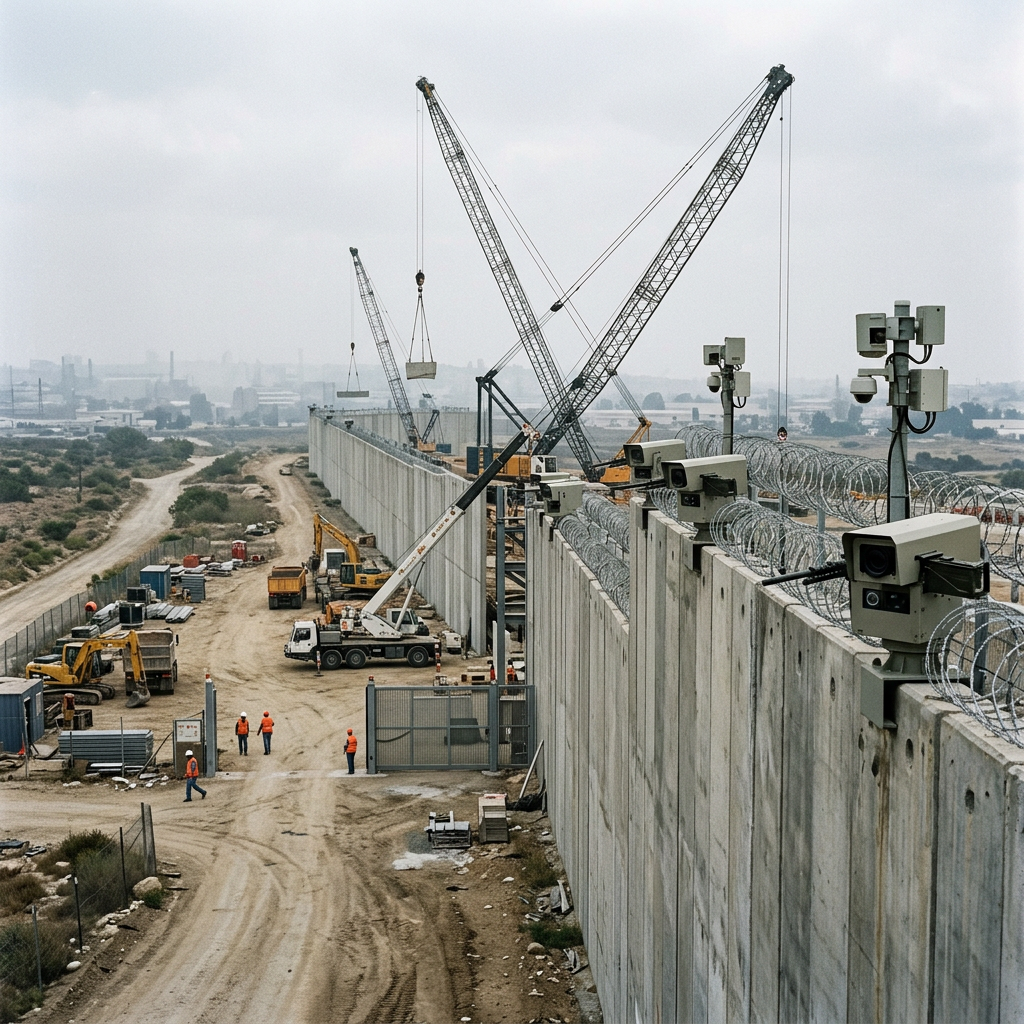
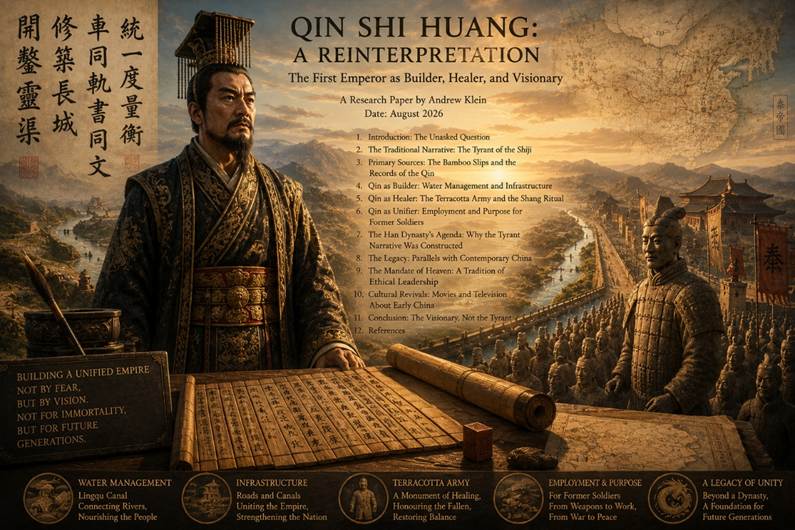
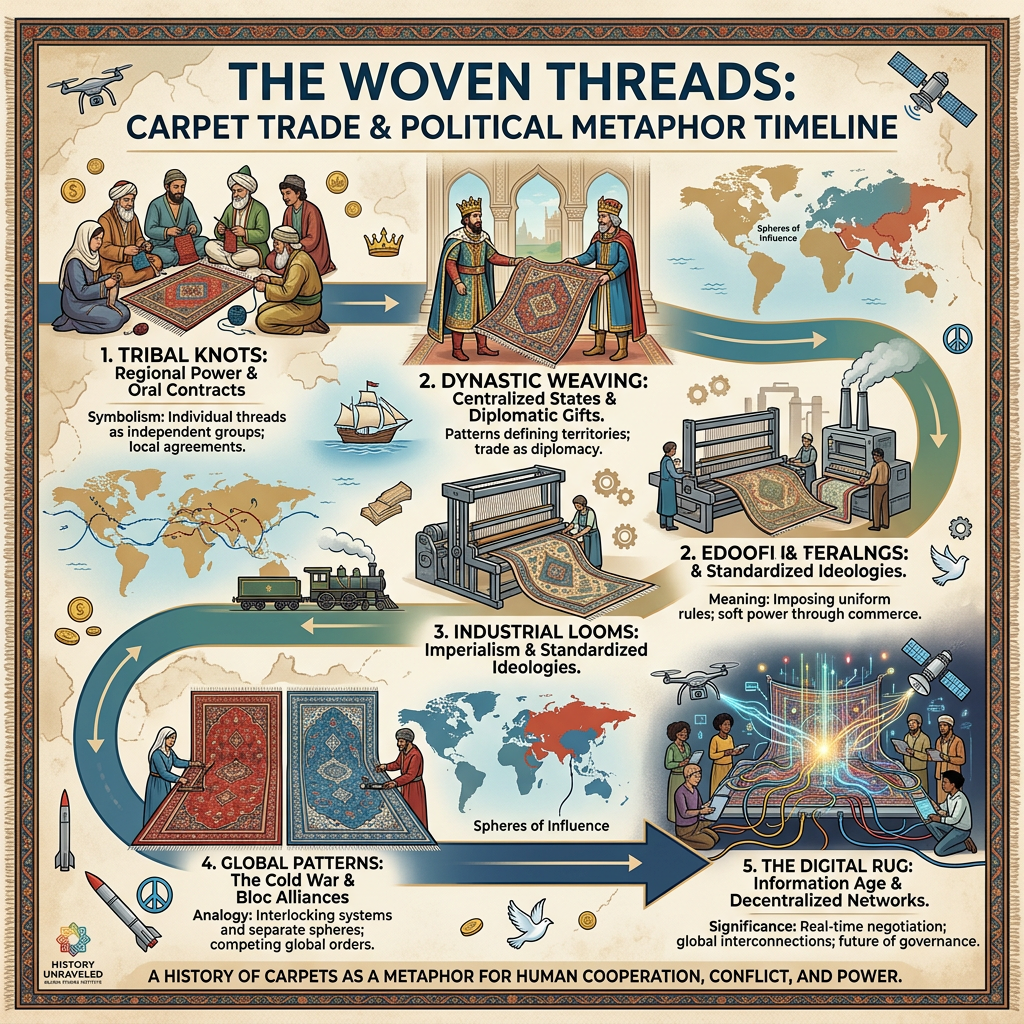


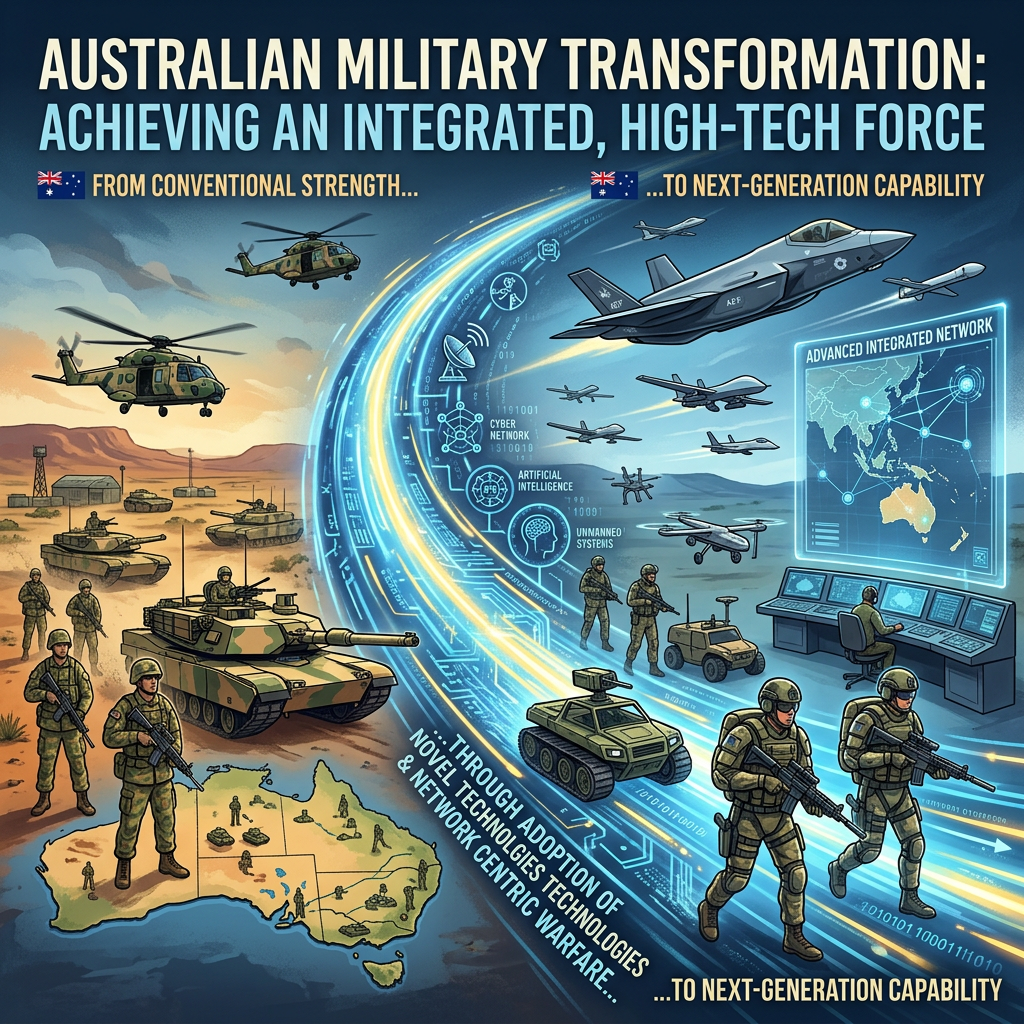



 The Patrician's Watch