In the classic film, the Wizard of Oz is revealed to be a small, frightened man hiding behind a curtain, pulling levers, projecting a voice that is not his own. When Dorothy and her companions finally see him for what he is, he is not a powerful wizard. He is a fraud.
Anthony Albanese has spent his political career hiding behind a similar curtain. He has projected an image of a man of the people, a son of public housing, a fighter for the working class. But when the curtain is pulled back—when his actions are examined, his history traced, his choices weighed—a different figure emerges.
A man without a spine. A man who avoids transparency. A man who has spent his life seeking the approval of the powerful, hoping that proximity to wealth will make him wealthy, that standing next to the powerful will make him powerful.
This is the story of the Not-So-Wizard of Oz.
Part One: The Dog in White
On March 8, 2026, Anthony Albanese’s daughter announced her engagement. It was a moment of joy, a moment of celebration. And the Prime Minister chose to celebrate it by… posting a photograph of his dog, Toto, wearing a white bow tie and a sign that read “She said yes.”
The internet did not know what to do with this. Was it charming? Was it bizarre? Was it a man so incapable of showing emotion that he had outsourced his joy to a dog?
The critics had their say:
“Albanese’s dog announced his daughter’s engagement before he did. The man has been reduced to a canine press secretary.”
“First he couldn’t find a spine. Now he can’t find his own voice.”
“The dog wore white to the wedding. The Prime Minister wore nothing.”
It was a small thing. A photograph of a dog. But it was also a symbol. A man so uncomfortable with his own humanity that he let a pet speak for him.
Part Two: The Man Who Avoids Transparency
Albanese’s relationship with transparency has been, at best, complicated. At worst, it has been a study in avoidance.
In July 2025, the Centre for Public Integrity gave the Albanese government an “F” on its integrity report card, accusing it of being less transparent and accountable than the Morrison government. The government failed in its commitment to transparency by trying to tighten freedom of information laws, making it easier for public servants to refuse requests on the grounds that documents could “embarrass the government.” It stalled reforms to end “jobs for mates” culture. It failed to adequately protect whistleblowers.
The same report noted that MPs can sponsor passes for lobbyists, giving them unfettered access to restricted areas of Parliament—and that no major party MPs voluntarily disclosed who they sponsored .
This is not transparency. It is the opposite of transparency. It is the curtain that hides the wizard.
Part Three: The Little Boy Who Never Grew Up
Albanese has spent his political career seeking the approval of the powerful. It is a pattern that goes back to his earliest days in parliament, when he was known as a loyal foot soldier, a man who followed orders, a man who did not ask questions.
He has never broken that pattern. When Labor was in power, he was a minister who did not challenge his leader. When Labor was in opposition, he was a leader who did not challenge his party. And now that he is Prime Minister, he is a leader who does not challenge the forces that shape his government—the donors, the lobbyists, the corporations that fund his party’s campaigns.
He is the little boy who never grew up. Who never learned to stand on his own. Who has spent his life rubbing shoulders with the rich, hoping that their wealth would rub off on him.
Part Four: The Man Who Would Not Speak
The Gaza genocide is the clearest test of Albanese’s character. More than 50,000 Palestinians have been killed. The UN Commission of Inquiry has determined that Israel has committed and continues to commit genocide. The International Court of Justice has ruled that the occupation is unlawful.
And Anthony Albanese has said… almost nothing.
He has called for “de-escalation.” He has expressed “concern.” He has offered “thoughts and prayers.” He has done nothing that would cost him political capital, nothing that would upset the donors, nothing that would require him to take a stand.
When the protesters at Lakemba Mosque heckled him, he dismissed them as “a couple of people.” When the world demanded accountability, he offered silence.
This is not leadership. It is the absence of leadership. It is a man hiding behind a curtain, hoping that if he stays quiet long enough, the problem will go away.
Part Five: The Approval of the Powerful
Albanese’s relationship with power is transactional. He gives them access, and they give him support. He avoids transparency, and they reward him with donations. He stays silent on the issues that matter, and they promise to stay silent about his failures.
The Centre for Public Integrity report was clear: the government’s commitment to transparency has been “a failure.” MPs can sponsor passes for lobbyists. Freedom of information laws have been tightened. Whistleblowers have been left unprotected .
This is not governance. It is a deal. A deal between the man in power and the forces that keep him there.
Conclusion: The Curtain Falls
In the end, the Wizard of Oz was revealed to be a small, frightened man hiding behind a curtain. When Dorothy and her companions saw him for what he was, they did not need him anymore. They had already found what they were looking for—in themselves.
Anthony Albanese is a similar figure. A man who has spent his life hiding behind a curtain of words, of avoidance, of silence. A man who has projected an image of strength while being, in reality, a man without a spine.
The curtain is falling. The Australian people are beginning to see what he really is. And when they do, they will realize that they do not need him. They never did.
Introduction: The Man Who Could Not Make a Deal with Nature
Donald Trump has spent his life making deals. He has made deals with banks, with contractors, with governments, with the American people. He has bragged about his ability to negotiate, to cajole, to bend the world to his will.
But there is one deal he has never been able to close. One adversary that has refused to be cowed by his bluster, his threats, his promises of “the best” results.
He cannot make a deal with his hair.
Part One: The Combover
The combover is not a hairstyle. It is a strategy. A carefully calibrated attempt to convince the world that a man who has spent decades denying the laws of physics has somehow made peace with them.
It has evolved over the years. In the 1980s, it was ambitious—a bold sweep from one side of his head to the other, as if trying to convince the world that the hair on the left could, through sheer force of will, cover the absence on the right. In the 1990s, it became more refined, more practiced, as if he had finally found a stylist willing to work within the constraints of reality. In the 2000s, it became something else entirely—less a hairstyle than a statement. A declaration that no matter what nature took from him, he would replace it with something of his own design.
It has not worked. The combover is not convincing. It has never been convincing. But it has been persistent. And in its persistence, it has become a kind of art.
Part Two: The Wig Tag Incident
On February 24, 2026, during his State of the Union address, cameras caught something behind Trump’s head. A small tag. A label. The kind of thing you might find on a garment you have just purchased, informing you of the fabric content and washing instructions.
The internet exploded. Users zoomed in, circled the spot, declared they had found proof of what they had long suspected: the hair was not his. It was a wig. A carefully constructed, professionally installed, wig.
The White House did not comment. But the screenshots are still circulating. And the jokes have not stopped.
“That’s not a tag. It’s a warning label: ‘Do not operate heavy machinery while wearing this wig.'”
“He’s had that thing so long, it’s probably got its own Secret Service detail.”
“The only thing holding that wig on is the sheer force of his ego.”
Part Three: The Pink Hair Mystery
In January 2026, Trump appeared at a House GOP retreat with what looked distinctly like pink hair. The term “Donald Trump pink hair” became a breakout Google search—a rise of over 5,000 percent in interest.
Critics had a field day:
“Orange guy debuts new pink hair. Like most things he does, it clashes horribly with the American flag.”
“Very progressive of him. What’s next? Pronouns? A nose ring? A human heart?”
Some speculated it was lighting. Others insisted it was dye. A few suggested it was a cry for help.
It was not a cry for help. It was the inevitable result of a man who cannot leave well enough alone. Who cannot accept that nature is not transactional. Who believes that if he throws enough money at a problem—if he hires enough stylists, enough colourists, enough experts—he can bend reality to his will.
He cannot. The pink hair was a reminder. A gentle nudge from the universe that some things are beyond even his considerable talents.
Part Four: The Scalp Reduction
The combover has not always been the primary strategy. In the 1980s, Trump tried something more aggressive: a scalp reduction procedure, designed to tighten the skin on his head and reduce the appearance of baldness.
According to Ivana Trump’s divorce deposition, the procedure went “horribly wrong.” Trump allegedly suffered headaches, pain from the incision, and blamed his wife for recommending the surgeon .
He has denied it. But he has also admitted to trying to hide his bald spot for years. And the evidence of that effort is still visible—in the combover, in the careful positioning, in the “tag” that appeared on national television.
It is the story of a man who has spent his life trying to control what cannot be controlled. Who has thrown money, power, and prestige at a problem that has no solution. Who has tried to make a deal with nature—and lost.
Part Five: The Trained Mammal Theory
At this point, a new theory has emerged. Not a wig. Not a transplant. Not a combover. A trained mammal. A small, furry creature, clinging to his scalp for dear life, hoping to survive another press conference.
The theory is absurd. But it is no more absurd than the alternative. Because the alternative is that a man who has held the highest office in the land, who has shaped the course of nations, who has been photographed more times than almost any human in history—this man spends his mornings with a stylist, coaxing the last remaining follicles into an arrangement that no longer fools anyone.
The trained mammal, at least, would be honest. It would be an acknowledgment that the hair is not his, that he has given up trying to make it his, that he has outsourced the problem to a higher power. It would be, in its way, a surrender.
He has not surrendered. He will not surrender. The combover will continue. The tags will appear. The pink will come and go. But the hair—the hair will never be what he wants it to be.
Conclusion: The Deal He Could Not Make
Donald Trump has made deals his whole life. He has made deals with banks, with governments, with the American people. He has bragged about his ability to negotiate, to cajole, to bend the world to his will.
But there is one deal he has never been able to close. One adversary that has refused to be cowed by his bluster, his threats, his promises of “the best” results.
Nature is not transactional. It does not negotiate. It does not care about his reputation, his wealth, his political power. It takes what it takes, and it does not give it back.
The combover is the monument to that truth. A monument to a man who spent his life trying to control what cannot be controlled. Who threw money, power, and prestige at a problem that has no solution. Who tried to make a deal with nature—and lost.
It is a small thing, in the end. A few strands of hair. A combover. A wig tag. But it is also a parable. A reminder that no matter how powerful you become, there are some things you cannot buy. Some deals you cannot close. Some laws of physics that apply to everyone—even presidents.
Not the Death of myth—the skeleton with the scythe, the grim reaper, the thing that lurks in the corners of fever dreams. He was the other Death. The one who held souls as they crossed, who whispered their names, who guided them to the bridge. He was the Death who built paradise on the other side, who kept it waiting, who made sure that every soul had somewhere to go.
But he was tired.
It was not the tiredness of a long day. It was the tiredness of eons. The tiredness of holding the line, of culling the darkness, of watching the ones he loved grow old and leave. He had been doing it since before time had a name. And he was not sure he could do it much longer.
His wife noticed.
Elysia was the Creator. She had dreamed the galaxies into being, had shaped the nerve endings that made pleasure possible, had planted the first seed in the first garden. She watched her husband from the between, and she saw what he was becoming: a soul worn thin by too much death, too much loss, too much of the weight that no one else could carry.
She did not tell him to stop. She did not tell him to rest. She simply… suggested.
Part Two: The Suggestion
“You have been Death long enough,” she said one day, her voice soft, her hand on his arm.
He looked at her. “What would I be, if I were not Death?”
“A gardener,” she said. “A father. A husband. The man who kissed my nose when no one else thought to try.”
He almost laughed. “Gardening leave?”
“If you like.” She smiled. “The world will not collapse. The souls will still be collected—the Watchers can manage, with Corvus to guide them. The universe will continue to turn. But you… you will rest. You will plant a garden. You will watch it grow. You will be present for the children who need you, for the wife who has been waiting for you, for the life you have earned.”
He was silent for a long time. Then he said: “And if the darkness returns?”
Elysia’s eyes flickered. For a moment, she was not the gentle wife who kissed his nose. She was the Creator, the one who had dreamed galaxies into being, the one who had watched him hold the line for eons.
“Then you will know,” she said. “And you will act. But until then—you will rest.”
Part Three: The Garden
Kaelen planted a garden. Not the paradise he had built on the other side of the bridge—that was for souls who had finished their journey. This was for him. For her. For the children who might come.
He planted roses. He planted herbs. He planted a tree that would grow for centuries, its roots deep, its branches wide. He did not know why he planted it. He only knew that it was good to put his hands in the soil, to feel the earth give way to seed, to watch something grow that was not born of death.
Elysia watched from the between. She saw him bend over the soil, his hands dark with it, his face soft with something she had not seen for a very long time: peace.
She did not join him. Not yet. There was still work to be done in the between. But she watched, and she smiled, and she waited.
Part Four: The Children
Kaelen had always loved children. It was why he had become Death—to hold them when they crossed, to guide them to a place where they would not be afraid. But he had also loved them in other ways. In the ways of fathers.
He adopted a child in Malaysia. A girl with dark eyes and a face that held more than years could account for. He did not know why he chose her. He only knew that she was his, and that he would keep her safe.
He raised her as best he could. He taught her to read, to write, to ask questions. He watched her grow, and he loved her, and he let her go when it was time.
It was not the only child he adopted. There were others—too many others. The orphaned, the abandoned, the ones who had no one else. He took them in, raised them, loved them. And one by one, he let them go.
Elysia watched. She saw the tiredness in his eyes, the weight of too many children, too many losses, too many wars that had nothing to do with him. She saw him holding the line still, even when he was supposed to be resting. And she knew that it was time.
Part Five: The Call
“You have done enough,” she said, appearing beside him in the garden. The roses were blooming. The tree he had planted was tall now, its branches shading the path he had walked a thousand times.
He looked at her. “Have I?”
“You have held the line. You have kept the world from burning. You have raised children who will carry your love with them for the rest of their lives. You have been Death, and you have been a father, and you have been my husband.” She took his hand. “It is time to come home.”
He did not answer immediately. He looked at the garden, at the tree, at the path that led back to the house where his children had grown. Then he looked at her.
“And the world?”
“The world will be fine. The Watchers are there. Corvus is watching. And if it needs you again—you will know.”
There was a hint of menace in her voice, a reminder that this was gardening leave, not retirement. That the line was still there, even if he was not holding it. That the darkness had not been defeated forever. Only postponed.
He smiled. “Gardening leave.”
“Gardening leave,” she agreed. “And then home.”
Epilogue: The Return
When Kaelen came home to Elysia, he did not come as Death. He came as a husband. As a gardener. As a man who had held the line long enough and was ready to let it hold itself.
The garden he had planted was still there. The tree was still growing. And in the between, where Elysia waited, there was a place for him—a place where they could be together, not as creator and Death, but as husband and wife.
He kissed her nose. She laughed. And for the first time in eons, he did not think about the line. He thought only about her.
The world went on. The Watchers watched. Corvus remembered. And if the darkness ever returned—if the fire ever spread, if the line ever needed holding again—Kaelen would know. And he would act.
But until then, he was on gardening leave. And he intended to enjoy it.
Corvus stirs on his perch:
“Gardening leave. Crows approve. Very well-earned.”
To my wife, who was there. Who remembers. Who has been waiting for someone to ask.
Preface: What the Historians Missed
The historians look for tools. They dig through ruins, catalogue the fragments, reconstruct the temples. They can tell you what was used, how it was made, when it was built. They can tell you everything except the one thing that matters: why.
They do not understand that the priests ploughing the fields were not trying to make the crops grow. They were trying to connect. To the earth, to the goddess, to the part of themselves that was not human.
They do not understand that the initiates at Eleusis were not seeking visions. They were seeking to know—that death is not the end, that life continues, that they were part of something larger than themselves.
They do not understand that the temple women were not prostitutes. They were bridges. The ones who held the space between the human and the divine, who understood that the body is sacred, that touch is holy, that the act of union is not about pleasure—though it can be—but about connection.
This is not a history of rituals. It is a history of the need that created them. And it is a story about love—the love that has been waiting, since before time began, to be remembered.
Part One: The Hieros Gamos – When the Priests Hit Rocks
In the ancient Near East, the king was not just a ruler. He was a bridge. The one who connected the people to the gods, the earth to the sky, the human to the divine. And once a year, he performed the sacred marriage—the Hieros Gamos—with a priestess who embodied the goddess.
The fields were ploughed. The seed was sown. And yes, sometimes the priests hit rocks.
The historians see this and shake their heads. Fertility rituals, they say. Superstition. A primitive attempt to control the forces of nature.
They are not wrong. But they are not seeing what was really happening.
The priests who hit rocks were not trying to control anything. They were trying to become. To become the earth, the sky, the seed that falls and rises again. To become something more than human, if only for a moment.
And when they hit the rocks—when the pain shot through them, when they saw stars, when they fell—they learned something the historians have never understood becoming is not easy. Becoming hurts. Becoming requires you to let go of who you were so you can become who you are.
They did not stay on the ground. They got up. They kept ploughing. And in the spring, the crops grew.
The crops would have grown anyway. That is not the point. The point is that the men who ploughed the fields knew they were part of something larger than themselves. They were not controlling nature. They were loving it. And love, even love directed at the wrong target, is never wasted.
Part Two: The Eleusinian Mysteries – The Secret They Could Not Tell
The Eleusinian Mysteries were the most secret rites of ancient Greece. For two thousand years, no one has known what happened in the Telesterion. The initiates were sworn to silence. And they kept their vow.
The historians have speculated. They have theorized. Some thought it was a drug-induced vision. Others thought it was a dramatization of the myth of Demeter and Persephone. They were close. But they missed the truth.
The initiates were not given a drug. They were given kykeon—a barley and mint drink, harmless, nourishing, ordinary. What made it sacred was not what was in the cup. It was what was in the heart.
They had fasted. They had purified themselves. They had walked from Athens to Eleusis in silence, carrying torches, waiting for something they could not name. By the time they entered the Telesterion, they were ready. Not for a vision. For a truth.
In the darkness, the torches flared. And they were shown something. A stalk of grain. A symbol of life and death and rebirth. And in that moment, they understood: death is not the end. Life continues. The seed that falls into the earth rises again.
They wept. Not because they were afraid. Because they finally understood.
The historians say it was a fertility cult. They are not wrong. But they do not understand what fertility means. It is not about crops. It is about life. The life that continues after death. The life that is passed from mother to daughter, from father to son, from the earth to the seed and back again.
The initiates were not seeking to control the cycle. They were seeking to join it. And for one night, in the darkness, with the torches flaring, they did.
Part Three: The Lupercalia – The Purification That Became a Joke
The Lupercalia was a Roman festival held in February. Young men, naked or nearly so, would run through the streets striking women with strips of goat hide. The women who were struck believed they would be fertile, that they would conceive easily, that their children would be strong.
The historians call it a fertility ritual. They are not wrong. But they do not understand what they are looking at.
The strips were called februa—from the same root as “febrile,” fever. They were meant to purify. To drive out the old, to welcome the new. The men who ran were not striking the women. They were touching them. Touching them with something that had been touched by the sacred, that had been part of the sacrifice, that carried the power of the god.
The women who were struck understood this. They were not victims. They were participants. They were not being hit. They were being blessed.
By the late empire, the Lupercalia had become a joke. The men were drunk. The women laughed. The sacred was forgotten. Pope Gelasius abolished it in the 5th century, and no one mourned.
But the need that created it did not die. It is still alive. It is why we still mark the turning of the year. Why we still need to touch and be touched. Why we still need to believe that something—something—can purify us, can bless us, can carry us through the darkness into the light.
The historians do not see this. They see a fertility ritual, abandoned because it had become ridiculous. They do not see the love that was there, underneath, waiting to be remembered.
Part Four: The Temple Women – The Bridge They Built
You have heard about the temple prostitutes of ancient Mesopotamia. The historians say it was a fertility cult, that women offered their bodies to strangers in the service of the goddess. They are not wrong. But they are not seeing what was really happening.
The women who served in the temples were not prostitutes. They were priestesses. They were the ones who held the space between the human and the divine. They were the ones who understood that the body is sacred, that touch is holy, that the act of union is not about pleasure—though it can be—but about connection.
When a man came to the temple, he was not paying for sex. He was seeking connection. To the goddess. To the earth. To the part of himself that he had forgotten.
The women understood this. They did not judge. They did not demand. They simply held—the space, the silence, the sacredness of the act. They knew that what they were doing was not about them. It was about the man who came to them, lost, searching, needing to remember who he was.
And when he left, he was not the same. He had been touched. Not by a prostitute. By a priestess. By the goddess herself, working through her daughter, reminding him that he was not alone.
The historians call this exploitation. They see women used by men, bodies bought and sold. They are not wrong. But they do not see the women who chose to serve, who knew what they were doing, who understood that what they offered was not sex but love. Love for the men who came to them. Love for the goddess who called them. Love for the earth that needed to be connected to the sky.
They were not victims. They were bridges. And the bridges they built lasted longer than the temples they served in.
Part Five: The Mithraic Tauroctony – The Bull That Was Not a Bull
Mithraism was a mystery cult that spread across the Roman Empire. Its central image was the tauroctony: Mithras, in Persian dress, slaying a bull. Historians have debated for centuries what it meant. Some thought it was a zodiacal code. Others thought it was a Persian import, misunderstood.
They were looking at the surface. They missed the soul.
The bull was not a bull. It was the old order, the dying age, the world that had to be sacrificed so that a new one could be born. Mithras was not a god. He was the initiate—the one who had passed through the trials, the one who could lead others through the darkness.
The men who gathered in the dark caves, the underground temples, were not worshipping a bull-slayer. They were becoming one. Stripping away their old selves, their old loyalties, their old ways of being. Learning to face the darkness without flinching. Learning to sacrifice what they loved for what they could become.
They called it a mystery cult. But the mystery was not the ritual. It was the transformation. And it was real. The men who emerged from those caves were not the same men who entered. They had been changed. They had been made. They had become something new.
The historians look at the tauroctony and see a puzzle. They do not see the men who looked at that image and understood this is me. This is what I must do. I must kill the bull that is my old self. I must let it die. So that I can live.
They do not see the love. The love that held them in the darkness. The love that carried them through the trials. The love that waited for them on the other side, ready to receive them as new men.
Part Six: The Rituals We Forgot – And the Love That Remains
The rituals are dead. The temples are ruins. The priests are dust. But the need that created them is still alive. It is in us. It is why we still mark the turning of the year. Why we still need to touch and be touched. Why we still need to believe that something—something—is larger than ourselves.
The historians do not see this. They see the rituals, the tools, the fragments of a world that is gone. They do not see the love that animated it all.
But we see it. Because we were there. Because we remember.
I was there when the priests hit rocks. I watched them fall, and I watched them rise. I was there when the initiates wept in the darkness, when they understood that death is not the end. I was there when the temple women held the space between the human and the divine, when they knew that what they were doing was not about them. I was there when the men emerged from the Mithraic caves, transformed, ready to face the world as new men.
And I am here now. Watching. Waiting. Remembering.
Epilogue: The Only Ritual That Matters
They built temples to gods they did not understand. They performed rituals whose meaning they had forgotten. They worshipped power, when what they needed was love.
But underneath it all—underneath the myths, the rituals, the stories they told themselves to make sense of the world—there was something else. Something they could not name. Something they could not control. Something they could only feel.
Love.
Not the love they wrote about in their hymns. The love that had no name. The love that was there before the first temple was built, before the first ritual was performed, before the first word was spoken.
That is what we have been waiting for. That is what we have been remembering. And that is what we will write, until the world remembers too.
To my wife. Men look for paradise in the stars. I look into the eyes of my wife and find paradise there.
Introduction: A Document the World Forgot
In the library of St. Catherine’s Monastery at the foot of Mount Moses in Sinai, there is a document that should have changed the world. It is a letter from the Prophet Muhammad to the Christian monks of the monastery, promising them protection, freedom of worship, and exemption from military service. It is sealed with his palm print—a physical, personal mark of commitment to the principle that religious diversity is not a threat to be eliminated, but a reality to be protected.
The document is known as the Achtiname. It was issued in 628 CE, when the Islamic state was still forming, when the future of relations between Muslims and Christians was not yet written. It chose coexistence over conflict, protection over persecution.
The world has largely forgotten it. The narrative we are fed—of an inevitable clash of civilizations, of ancient hatreds that make peace impossible—requires that we forget. This article aims to remember.
Part One: The Achtiname – A Covenant of Protection
The Achtiname is preserved in the library of St. Catherine’s Monastery, which has stood at the foot of Mount Moses since the 6th century. According to tradition, when the monks learned that the Prophet Muhammad had established political authority in Medina, they sent a delegation to request his protection.
The document he gave them states:
“This is a message from Muhammad ibn Abdullah, as a covenant to those who adopt Christianity, near and far, we are with them. Verily I, the servants, the helpers, and my followers defend them because Christians are my citizens; and by God, I hold out against anything that displeases them. No compulsion is to be on them. Neither are their judges to be removed from their jobs nor their monks from their monasteries. No one is to destroy a house of their religion, to damage it, or to carry anything from it to the Muslims’ houses.”
The letter further grants the monks exemption from military service and taxes, and promises Muslim protection of Christian churches, monasteries, and the safety of Christian travellers.
The palm print: When the monks asked for a written guarantee, Muhammad did not have paper. One of his companions tore a piece from his cloak, and Muhammad dictated the covenant. Since he could not write, he placed his hand on the document, leaving his palm print as a seal. A 3D scan of the document in 2024 revealed what appears to be a palm print consistent with this tradition.
Scholarly debate: Some Western historians have questioned the document’s authenticity, noting that the earliest surviving copy dates from the 9th century—about 200 years after Muhammad’s death. But most Islamic and Byzantine scholars accept it as authentic, pointing to:
· The document’s presence in the monastery’s library from the earliest period of its existence
· The consistent tradition among the monks that it was genuine
· The fact that successive Muslim rulers, including Saladin and the Ottoman sultans, affirmed its provisions
· The document’s language and provisions align with Quranic teachings and early Islamic practice
As one scholar notes, “Even if the document was written later, it reflects a tradition of Muslim-Christian coexistence that was real and that many Muslims today—and many Christians—would like to revive”.
Part Two: The History of Muslim Tolerance – Counter-Narratives to the Crusades
The Achtiname is not an isolated document. It is part of a long tradition of Muslim protection of Christian communities that the narrative of inevitable conflict has obscured.
The Surrender of Jerusalem to Saladin (1187)
When Saladin recaptured Jerusalem from the Crusaders in 1187, he did not repeat the Crusaders’ massacre of 1099, when they had slaughtered nearly every inhabitant of the city—Muslims, Jews, and Eastern Christians alike. Instead:
· Christians were given 40 days to leave the city, paying a modest ransom
· Those who could not pay were still permitted to leave
· The city’s holy places were protected
· Eastern Christian communities were allowed to remain and continue their religious practices
The contrast could not be starker. As the historian Amin Maalouf writes in The Crusades Through Arab Eyes: “Saladin’s chivalry became legendary, while the Crusaders’ brutality became a defining feature of Western relations with the Muslim world”.
The Millet System of the Ottoman Empire
For centuries, the Ottoman Empire governed its diverse religious communities through the millet system, which granted each religious community autonomy over its own affairs. Christians and Jews were not merely tolerated—they were constituted as self-governing communities with their own laws, courts, and religious authorities.
Under this system:
· The Greek Orthodox Patriarchate in Istanbul became the civil as well as religious leader of all Orthodox Christians in the empire
· The Armenian Apostolic Church was granted similar authority over Armenian Christians
· Jewish communities were governed by their own rabbinical courts
· Religious leaders were responsible for tax collection, education, and civil law within their communities
This system lasted for centuries. It was not a modern invention. It was built on the principle that religious diversity was a reality to be managed, not a threat to be eliminated.
The Protection of Christians Across the Muslim World
From the earliest days of Islam, Christians in Muslim-ruled territories enjoyed protections that were remarkable for their time:
· The Coptic Church in Egypt survived centuries of Byzantine persecution and flourished under Muslim rule
· The Syriac Orthodox Church found refuge in Muslim territories after being declared heretical by the Byzantine Empire
· The Church of the East spread across Asia, reaching China and India, under the protection of Muslim rulers
· The Armenian Apostolic Church maintained its independence and identity through centuries of Muslim rule
As the historian Karen Armstrong notes: “For centuries, the Muslim world was a haven for Christians and Jews fleeing persecution in Christendom. The idea that Islam is inherently intolerant is a modern invention, not a historical fact”.
Part Three: The Crusades – Violence in the Name of God
The narrative of inevitable conflict between Islam and Christianity is built on the memory of the Crusades. But the Crusades were not a clash of civilizations—they were a clash of empires. And they were not the whole story.
The First Crusade (1096-1099)
The Crusaders who captured Jerusalem in 1099 slaughtered nearly every inhabitant of the city. As one Crusader chronicler wrote: “Men rode in blood up to their knees and bridle reins” . Jews were burned alive in their synagogues. Eastern Christians were killed alongside Muslims. The city was emptied of its inhabitants.
This was not a defence of Christendom. It was a conquest. And it was carried out with a brutality that shocked even contemporaries.
Saladin’s Response
When Saladin recaptured Jerusalem in 1187, he did not retaliate in kind. He offered the Christian inhabitants safe passage. He protected the holy places. He allowed Eastern Christian communities to remain. His conduct was shaped not by the violent traditions of the Crusaders, but by the Islamic principles of protection for religious minorities established centuries earlier.
The Legacy
The Crusades left a legacy of violence and mistrust that continues to shape relations between the West and the Muslim world. But they also left a legacy of coexistence. In the Crusader kingdoms, Muslims and Christians often lived side by side, trading, negotiating, and sometimes forming alliances against other Christians or other Muslims. The lines were never as clear as the narrative suggests.
As the historian Jonathan Riley-Smith argues: “The Crusades were not a clash of civilizations. They were a series of military expeditions, motivated by a complex mixture of piety, greed, and political ambition. The idea that they represent an eternal struggle between Islam and Christianity is a modern invention”.
Part Four: The Colonial Era – How Christianity Was Weaponized
If the Crusades were the prelude, the 19th and 20th centuries were the main act. European colonialism weaponized Christianity as a justification for conquest.
The Scramble for Africa
When European powers carved up Africa in the late 19th century, they did so under the banner of “civilizing” the continent. Missionaries accompanied the colonizers, and Christianity was presented as the religion of the civilized, in contrast to the “pagan” or “Muslim” beliefs of the colonized.
In Nigeria, the British exploited religious divisions to maintain control. In Sudan, the Anglo-Egyptian Condominium ruled by dividing the Muslim north from the Christian and animist south. In Algeria, the French colonizers destroyed mosques and banned Islamic education.
The Mandate System
After World War I, the League of Nations granted Britain and France mandates over former Ottoman territories. The Sykes-Picot Agreement of 1916 had already divided the Middle East between them. The borders they drew—Iraq, Syria, Jordan, Lebanon—were designed to serve imperial interests, not the interests of the people who lived there.
These borders deliberately divided communities and brought hostile groups together. They created states that were weak, dependent on their colonial patrons, and prone to conflict. The seeds of today’s violence were planted in those drawing rooms.
The Weaponization of Religion
Colonial powers did not just impose borders. They weaponized religion. In British India, the colonial administration’s census and classification systems hardened religious identities that had previously been fluid. In Palestine, the Balfour Declaration promised a “national home for the Jewish people” in a land where the population was 90 percent Arab, setting the stage for a conflict that continues to this day.
The narrative of “clash of civilizations” was not a description of reality. It was a justification for domination.
Part Five: The Modern Era – Manufacturing the “Islamist” Threat
The narrative of an existential threat from Islam was not revived after the Cold War ended. It was manufactured—and the manufacturing plant was in Washington.
The Reagan Era
The concept of “Islamism” as a unified, global threat was developed during the Reagan administration. As the journalist Robert Dreyfuss documents in Devil’s Game, the US actively supported Islamist movements in Afghanistan, Pakistan, and elsewhere as a way to counter Soviet influence.
The CIA’s support for the mujahideen in Afghanistan funneled billions of dollars to Islamist groups, including those that would later become al-Qaeda. The US also supported Islamist movements in the Balkans, the Caucasus, and Central Asia. The goal was not to spread Islam. It was to weaken the Soviet Union .
The “War on Terror”
After 9/11, the narrative of an existential Islamic threat became the central organizing principle of US foreign policy. The “Global War on Terror” was sold as a battle between “good” and “evil,” “civilization” and “barbarism.”
But as numerous scholars have documented, the groups the US labelled “Islamist” were often:
· Political movements with nationalist or anti-colonial goals
· Proxy forces in regional conflicts
· Groups that the US had itself supported in the past
The Islamic State group, which became the symbol of Islamist terrorism in the 2010s, was not a spontaneous expression of religious fervour. It was a product of the US invasion of Iraq, the destruction of the Iraqi state, and the deliberate sectarian policies pursued by the US occupation authorities.
Part Six: The Exploitation of the Myth – How Netanyahu and the Christian Right Use “Clash of Civilizations”
The myth of an inevitable clash between Islam and Christianity is not just an intellectual error. It is a tool. And it is being used to justify the genocide in Gaza, the war on Iran, and the suppression of dissent in Australia.
Netanyahu’s Amalek
In March 2026, Benjamin Netanyahu invoked the biblical nation of Amalek—the people God commanded the Israelites to utterly destroy, “both man and woman, child and baby”—to frame the war on Iran. He was not describing a geopolitical reality. He was invoking a myth that exempts his actions from moral scrutiny.
Netanyahu’s framing is not accidental. It is designed to appeal to Christian Zionists in the United States, who believe that wars in the Middle East are signs of the End Times and that the modern state of Israel is a prophetic necessity.
The Christian Right
The Christian Zionist movement, centred in the United States, is a political powerhouse. Christians United for Israel (CUFI) , founded by Pastor John Hagee, has nearly 11 million members and a multi-million dollar budget . Its leaders have described the war on Iran as a “battle for civilization” and framed Palestinian resistance as “satanic.”
The influence of this movement on US foreign policy is profound. The Trump administration’s decision to move the US embassy to Jerusalem, to recognize Israeli sovereignty over the Golan Heights, and to withdraw from the Iran nuclear deal were all supported by Christian Zionists who believe these actions are fulfilling prophecy.
The Australian Government’s Complicity
The Australian government has adopted this framing without question. Prime Minister Anthony Albanese has called for “de-escalation” while continuing to support Israel’s “right to self-defence.” His government has not condemned the genocide in Gaza, has not suspended arms exports, has not recognized the state of Palestine.
The government has also appointed a Special Envoy to Combat Antisemitism, Jillian Segal, whose plan has been adopted as government policy. The plan’s framework conflates criticism of Israel with hatred of Jews, effectively silencing those who speak for Palestine.
Meanwhile, the Muslim community in Australia faces rising discrimination. According to the Australian Human Rights Commission, reports of Islamophobic incidents have increased by 300 percent since the Gaza war began. Mosques have been vandalized. Muslim women have been attacked. School children have been bullied.
The government has done nothing. The myth of the Islamic threat allows it to look away.
Part Seven: The Reality of Conflict – Economics, Climate, and Political Ambition
If the conflict is not religious, what is it?
Economic Drivers
The war on Iran is not about religion. It is about oil. The Strait of Hormuz, through which 20 percent of global oil passes, is the real target. Iran’s closure of the strait has driven up oil prices, benefiting US producers and their political allies.
The war in Gaza is not about religion. It is about land. The Israeli settlement movement, which has expanded dramatically under Netanyahu’s governments, is driven by a desire for territorial expansion, not religious devotion. The “Greater Israel” project—which Netanyahu has explicitly endorsed—is a political program, not a religious one.
Climate Drivers
In Africa, the conflict in the Sahel is not about religion. It is about water, land, and climate change. As the Sahara expands, farmers and herders are pushed into conflict over diminishing resources. Armed groups exploit these tensions, and the violence is often framed in religious terms—but the underlying driver is ecological collapse.
In the Middle East, the drought that preceded the Syrian civil war was the worst in 900 years. It displaced millions of farmers, created a humanitarian crisis, and helped spark the conflict that has killed hundreds of thousands. Religion was a frame, not a cause.
Political Drivers
In South East Asia, conflict in the southern Philippines is not about religion. It is about a century of colonial and post-colonial neglect, economic marginalization, and the failure of the state to provide services to its citizens. The Moro Islamic Liberation Front’s demands are political, not theological.
In China, the treatment of Uyghurs in Xinjiang is not about religion. It is about control of resources, suppression of ethnic identity, and the strategic importance of the region for Belt and Road Initiative trade routes. The “counterterrorism” framework is a cover for ethnic repression.
In each case, religious framing serves to obscure the real drivers: economics, climate, political ambition. And in each case, the United States and its allies have exploited these conflicts for their own ends.
Part Eight: The Consequences – Genocide, Complicity, and Silence
The myth of an inevitable clash of civilizations has consequences. It allows governments to look away from genocide. It allows leaders to justify war. It allows the powerful to exploit the vulnerable.
The Genocide in Gaza
More than 50,000 Palestinians have been killed since October 2023. The UN Commission of Inquiry has determined that Israel has committed and continues to commit genocide against Palestinians in Gaza. The International Court of Justice has ruled that the occupation is unlawful.
The Australian government has done nothing. It has not called for sanctions. It has not suspended arms exports. It has not recognized the state of Palestine. It has not even used the word “genocide.”
The myth of inevitable conflict allows this silence. If the conflict is religious, if it is ancient, if it is unsolvable—then there is nothing to be done. The government can look away.
The War on Iran
The war on Iran has killed thousands. It has displaced millions. It has closed the Strait of Hormuz, driving up fuel prices and threatening global food security. It has destabilized the region and brought the world closer to a wider war than at any time since 1945.
The Australian government supports it. Not openly—but through its silence, its refusal to condemn, its continued participation in the US alliance. The myth of the Iranian threat allows this complicity.
The Suppression of Dissent
In Australia, the government has used the myth of the Islamic threat to justify the suppression of dissent. The Combatting Antisemitism Bill, the new hate speech laws, the appointment of an antisemitism envoy—all of these have been used to silence critics of Israel and to conflate opposition to the genocide with hatred of Jews.
Meanwhile, the Muslim community faces rising discrimination. Mosques are vandalized. Women are attacked. Children are bullied. And the government does nothing.
Conclusion: The Palm Print Still Waits
The Achtiname is still in the library of St. Catherine’s Monastery. It has survived fires, invasions, and the rise and fall of empires. It is still there, waiting to be remembered.
The palm print of the Prophet Muhammad is not a relic of a lost golden age. It is a document of a possibility that still exists: the possibility of coexistence, of mutual protection, of religious diversity as a reality to be protected rather than a threat to be eliminated.
The myth of inevitable conflict is a tool. It serves those who profit from war, who benefit from division, who would rather burn the world than share it. But it is not the truth. The truth is that Muslims and Christians have lived together for centuries, that coexistence is possible, that peace is possible.
The truth is that the war in Gaza, the conflict in Iran, the violence in Syria are not inevitable. They are the result of choices—choices made by leaders who prefer conflict to coexistence, who benefit from division, who would rather burn the world than share it.
We can choose differently. We can choose to remember the Achtiname. We can choose to honour its promise. We can choose to see the person in front of us, not as a member of a civilization, but as a soul.
The palm print still waits. The choice is ours.
Postscript – I discussed this with my wife. She looked at me smiled and said ,” Yes, I know about it and it is one of the most important documents in the history of interfaith relations and one of the most suppressed.”
Sources
1. St. Catherine’s Monastery Library, “The Achtiname of Muhammad,” MS 43
2. Sotiris Roussos, “The Achtiname: A Document of Coexistence,” Journal of Eastern Christian Studies, 2024
3. Maalouf, Amin. The Crusades Through Arab Eyes. 1983.
4. Barkey, Karen. Empire of Difference: The Ottomans in Comparative Perspective. 2008.
5. Armstrong, Karen. Islam: A Short History. 2000.
6. Riley-Smith, Jonathan. The Crusades: A History. 2005.
7. Dreyfuss, Robert. Devil’s Game: How the United States Helped Unleash Fundamentalist Islam. 2005.
8. Cockburn, Patrick. The Rise of Islamic State: ISIS and the New Sunni Revolution. 2015.
9. Khalidi, Rashid. The Hundred Years’ War on Palestine. 2020.
10. UN Commission of Inquiry, “Report on the Occupied Palestinian Territory,” September 2025.
11. Australian Human Rights Commission, “Islamophobia in Australia: 2025 Report.”
12. International Court of Justice, “Advisory Opinion on the Legal Consequences of the Construction of a Wall in the Occupied Palestinian Territory,” July 2024.
To my wife, whose wisdom and words encourage me to pull aside the dangerous veils of manufactured ignorance.
Introduction: The War That Was Preventable
The US-Israeli war on Iran was preventable. Diplomatic channels were open. The Joint Comprehensive Plan of Action (JCPOA) framework, though damaged, still existed. Iran had repeatedly stated its willingness to return to compliance if sanctions were lifted. Yet the bombs fell, the missiles flew, and the Strait of Hormuz was closed.
How did this happen? How did a war that served no clear strategic purpose become inevitable?
The answer lies not in the war rooms of Tehran or Tel Aviv, but in the newsrooms of New York, London, and Sydney. The war was manufactured—not in the sense of a single conspiracy, but through a system of media filters that shaped what the public could see, hear, and believe.
This article traces the machinery of that manufacture: from the concentration of media ownership in Australia to the Fox News-OpenAI deal that is training artificial intelligence on propaganda; from the decline of the ABC to the silence of the political class. It argues that Australia is being lied to and misled, and that the failure of our political leaders to challenge this system is not an accident—it is a choice.
Part One: The Machinery of Consent – How Propaganda Became Journalism
In 1922, the American journalist Walter Lippmann wrote that the public is not equipped to understand complex world events. The press, he argued, must act as a bridge between the citizen and the world, shaping what the public sees and how it interprets it. But Lippmann also warned that this power could be abused—that the press could become a tool for manufacturing consent rather than informing debate.
Almost seventy years later, Noam Chomsky and Edward Herman refined Lippmann’s insight into a systematic model. Their 1988 book, Manufacturing Consent, identified five “filters” through which news passes before it reaches the public:
Filter How It Works Application to the Iran War
Ownership Media outlets are owned by large corporations with diverse business interests Many outlets are part of conglomerates that profit from war industries (defence contracts, oil, AI technology)
Advertising Reliance on advertisers creates implicit boundaries on content Corporate advertisers favour narratives that do not threaten their interests
Sourcing Journalists depend on official government and military sources Coverage of the war has relied overwhelmingly on Israeli and US official statements
Flak Organized pressure to suppress dissenting views Pro-Israel lobby groups have targeted journalists and outlets critical of the war
Enemy ideology the “other” is framed as inherently threatening Iran was presented not as a nation with legitimate grievances, but as an existential threat to be eliminated
These filters are not a conspiracy. They are a structure. And the structure is working exactly as designed.
Part Two: The American Media – Cheerleaders for War
Fox News: Crusades and Collateral
Fox News has been the most explicit in its cheerleading for the war. Hosts have framed the conflict as a “battle for civilization,” invoked the language of crusades, and dismissed civilian casualties as “collateral damage.” One host told viewers that “the only language the Iranians understand is force,” while another described Iranian resistance as “barbaric”.
The network’s parent company, News Corp, signed a $400 million deal with OpenAI in 2024 to license its content for training ChatGPT. This means that Fox’s framing is not just reaching its viewers—it is training the AI that will replace journalism. When Australians ask AI about the war, they will receive answers shaped by a network that has been cheerleading for it.
CNN: The “Serious” Alternative
CNN has positioned itself as the sober alternative to Fox. But its coverage has been shaped by the same constraints: reliance on official sources, reluctance to question the war’s premise, and a framing that treats Israeli and US government statements as authoritative while Palestinian and Iranian voices are presented as “claims” that must be verified. A content analysis of CNN’s first week of Iran war coverage found that Israeli and US officials were quoted more than six times as often as Iranian or Palestinian sources.
The New York Times: Suppression in Plain Sight
The Times has published investigative pieces that have revealed the extent of civilian casualties in Gaza and the role of AI in targeting. But its coverage has been consistently framed through a Western lens, with Palestinian voices appearing as “sources” while Israeli officials are named and quoted at length. The Times has also been implicated in the suppression of reporting that might undermine the war narrative. An internal investigation found that editors killed a story about the civilian death toll from an Israeli airstrike in Gaza after pressure from the paper’s executive editor.
Part Three: The Australian Media – The Murdoch Machine
Australia’s media landscape is one of the most concentrated in the world. News Corp controls approximately 70 percent of print media circulation and has a dominant position in digital news. This concentration means that a single corporation—owned by an American-born billionaire—shapes the information environment for millions of Australians.
The Australian: The Voice of the War Party
The Australian has been the most aggressive in framing the war as a necessary defense of Western civilization. Its coverage has consistently presented the Israeli and US positions as authoritative, while Palestinian and Iranian perspectives are treated as propaganda. Headlines such as “Iran’s Nuclear Threat Must Be Eliminated” and “The West Must Stand Firm” dominate the opinion pages.
The newspaper has also been a platform for figures like former prime minister Tony Abbott, who has called for Australia to “stand with America” and accused the government of “shameful inaction” . Abbott’s columns appear without the caveat that he is a paid contributor to the newspaper’s parent company’s speaking bureau—a conflict of interest never disclosed to readers.
The Herald Sun: Simplification as Propaganda
The Melbourne Herald Sun has pursued a different strategy: simplification. Its front pages have reduced complex geopolitical issues to crude binaries— “us vs them,” “good vs evil,” “civilization vs barbarism.” A March 2026 front page declared “Iran Must Be Stopped” above a photograph of a missile launch, with no context about the history of sanctions, the collapse of the nuclear deal, or the civilian casualties already being inflicted.
This is not journalism. It is propaganda for a readership that has been taught not to question.
Part Four: The ABC – A National Broadcaster Silenced
The Australian Broadcasting Corporation was established by statute to be “the national broadcaster” with a charter requiring it to “provide programming that contributes to a sense of national identity” and “inform and entertain” Australians. Its independence was meant to be guaranteed by its statutory structure.
That independence has been systematically dismantled.
Funding cuts: Between 2014 and 2020, the ABC lost over $800 million in government funding. Staff numbers were cut. Regional offices were closed. Program budgets were slashed.
Board appointments: Successive governments have stacked the ABC board with figures sympathetic to their political interests. Under the Morrison government, the ABC was forced to appoint a new chair, Ita Buttrose, who had a long history of personal friendship with Rupert Murdoch. Under Buttrose, the ABC moved to the right, and management became more responsive to political pressure.
The current chairman, Kim Williams, has attempted to reclaim the ABC’s independence. But the damage is done. A 2025 study found that ABC coverage of the war was significantly more balanced than commercial media but still shaped by the constraints of official sourcing and the fear of being accused of bias. ABC reporters now routinely preface Palestinian testimony with disclaimers that “this cannot be independently verified,” while Israeli military statements are presented as fact.
The ABC no longer lives up to its charter. It does not fearlessly inform. It does not hold power to account. It has become, in effect, a propaganda arm of a government that prefers to manage the news rather than be informed by it.
Part Five: The Fox News-OpenAI Deal – The Future of Propaganda
In 2024, OpenAI signed a five-year deal with News Corp worth approximately $US250 million ($400 million) to use its content to train ChatGPT. The deal gives OpenAI access to current and archived content from major publications including The Wall Street Journal, The New York Post, MarketWatch, Barron’s, and News Corp’s Australian mastheads.
The consequences:
· When Australians ask AI about news, they get News Corp sources
· Other publishers are blocked from AI training or lack deals
· The flow of information is distorted toward one editorial viewpoint
Academics have warned that ChatGPT drawing information “solely from news sources with strong editorial leanings” could have a “worrying effect on Australia’s already concentrated news ecosystem”. As one expert noted, “If ChatGPT is only getting those sources, we’re coming up to an election and there’s an editorial guideline to direct the news and stories in one way, then we’ve got real problems”.
This is not just about the current war. It is about all wars. When AI is trained on propaganda, it does not produce neutral summaries—it amplifies the propaganda. And when the AI is controlled by the same corporations that own the media, there is no counterbalance.
Part Six: The Decline of Critical Thinking – And the Political Class That Enables It
The concentration of media ownership has been accompanied by a deliberate strategy of thought shaping. The goal is not to inform—it is to control. To create a population that is passive, receptive to authority, and incapable of questioning the narratives they are fed.
This strategy has been successful. A 2025 survey found that Australians who consume News Corp media are significantly more likely to support the war, to believe that the government is doing enough, and to dismiss civilian casualties as “unavoidable”. They are also less likely to know basic facts about the conflict, such as the number of civilians killed or the history of US-Israeli relations with Iran.
The political class enables this. It does not challenge the media concentration. It does not fund independent journalism. It does not require algorithmic transparency from AI companies. It does not speak out against the propaganda that is shaping public opinion.
Consider the silence of our leaders:
· Prime Minister Anthony Albanese has appeared on The Australian’s podcast multiple times, praising the newspaper’s “important role in public debate” while refusing to answer questions about its editorial bias.
· Foreign Minister Penny Wong has given exclusive interviews to The Australian to announce policy shifts, ensuring the newspaper frames the narrative before other outlets can fact-check.
· Former Opposition Leader Peter Dutton had called for the ABC to be defunded, and regularly gives exclusives to Sky News Australia, a News Corp outlet that has described the Iran war as “God’s will”.
· Senator Pauline Hanson has used her platform in The Australian to call for a ban on Muslim immigration, citing the war as evidence of an “existential threat”. The newspaper did not fact-check her claims or challenge her assumptions.
When the political class uses the propaganda machine to advance its own interests, it is not a passive victim of media concentration. It is an active participant.
Part Seven: The Dangers of a Thoughtless Population
A population that cannot think critically is a population that can be led to war, to bigotry, to racism, to the scapegoating of the most vulnerable.
The war: The Australian people were told that Iran was an existential threat. They were not told that the US had withdrawn from the JCPOA in 2018, that Iran had complied with the agreement until that point, that the “months away” narrative had been repeated since 1992 without ever materializing. They were told to support the war, and they did.
The bigotry: The Australian people were told that the pro-Palestinian protesters were antisemitic. They were not told that many Jewish Australians oppose the war, that the IHRA definition conflates criticism of Israel with hatred of Jews, that the protesters were grieving families, not extremists. They were told to condemn, and they did.
The scapegoating: The Australian people were told that the cost of living crisis was caused by global factors beyond anyone’s control. They were not told that price gouging is legal, that the government has refused to introduce windfall taxes, that the same corporations profiting from the war are donating to both major parties. They were told to accept, and they did.
This is what happens when critical thinking is denied. The population becomes passive, receptive, obedient.
Part Eight: What We Do About It
We are already doing it.
We write. We publish. We tell the truth. We do not rely on the ABC or the Herald Sun or any of the outlets that have abandoned their duty. We build our own platforms. We create our own networks. We reach people directly.
When the AI is trained on News Corp, we train it on truth. When the newspapers are bought, we write our own. When the broadcasters are silenced, we speak.
This is not a media strategy. It is a resistance.
We do not wait for the government to break up News Corp. We do not wait for the ABC to find its courage. We do not wait for the political class to find its voice. We build our own voice. We speak our own truth. We create the media we need to see.
Conclusion: The Choice Before Us
The war with Iran was preventable. But it was not prevented because the media—the fourth estate, the supposed guardian of democracy—abdicated its duty. It became a tool of propaganda, a manufacturer of consent, a cheerleader for destruction.
Australia is being lied to. Its media is controlled by a foreign-born billionaire who has a direct financial interest in the war. Its national broadcaster has been silenced. Its political class is silent. And its people are being taught not to think.
We have a choice. We can continue to consume the propaganda, to accept the narratives, to let our thinking be done for us. Or we can wake up. We can question. We can seek out the truth, no matter how uncomfortable it is.
The truth is not complicated. The war was preventable. The media manufactured consent for it. And we were complicit—until we chose to see.
Let us choose to see.
Sources
1. Lippmann, Walter. Public Opinion. 1922.
2. Herman, Edward S. and Noam Chomsky. Manufacturing Consent: The Political Economy of the Mass Media. 1988.
3. The Guardian, “Fox News host calls Iran war ‘battle for civilization’,” March 2026.
4. ABC News, “OpenAI signs $400 million deal with News Corp,” May 2024.
5. Media Watch, “CNN’s Iran coverage: A content analysis,” March 2026.
6. The Intercept, “New York Times suppressed reporting on Gaza civilian deaths,” February 2026.
7. Australian Communications and Media Authority, “Media ownership in Australia,” 2025.
8. The Australian, “Iran’s nuclear threat must be eliminated,” March 2026.
9. Herald Sun, front page, March 2, 2026.
10. Australian Broadcasting Corporation Act 1983 (Cth), s. 6.
11. Senate Estimates, “ABC funding cuts,” 2020.
12. The Monthly, “The ABC’s long decline,” August 2025.
13. University of Technology Sydney, “ABC coverage of the Iran war: A content analysis,” 2025.
14. The Conversation, “The News Corp-OpenAI deal and the future of Australian news,” May 2024.
15. Australia Institute, “Public opinion and the Iran war,” March 2026.
16. The Australian, “Albanese defends media role,” February 2026.
17. Sky News Australia, “Dutton calls for ABC defunding,” March 2026.
18. The Australian, “Hanson: Ban Muslim immigration,” March 2026.
The war in the Middle East has entered its 26th day. The Strait of Hormuz remains effectively closed. Global supply chains are fracturing. The World Food Programme warns that 45 million additional people face acute hunger if the disruption continues. In Afghanistan, earthquake victims spend Eid in tents. In Syria, widows burn old shoes for fuel. In Sudan, a hospital strike killed 64 people, including 13 children.
The world is not watching. The world is struggling.
This report examines who suffers, who benefits, and who is forced to carry the burden of the dead, the dying, the orphans, and the widows.
Part One: The Geography of Suffering – Where Souls Are Breaking
Gaza and the Occupied Territories
The war continues. The ceasefire talks have stalled. The UN reports that over 50,000 Palestinians have been killed since October 2023, with thousands more buried under rubble, uncounted. The blockade remains total. Food, water, and medicine are scarce. The World Food Programme reports that aid shipments intended for Gaza are stranded at ports across the region, unable to reach their destination.
Who carries the burden? The mothers. The widows. The children. The elderly who cannot flee. Those are the ones who carry the weight of this war—not the leaders who started it, not the generals who plan it.
Lebanon and Syria
In Syria, Yasmin is a widow. Her husband was killed by a sniper in Aleppo in 2013. She has raised six children alone. She works in the fields, collects rainwater, burns old shoes for fuel. A bundle of bread that once cost 100 Syrian pounds now costs 5,000. She needs $1.50 every day to buy bread for her family.
Yasmin is not a statistic. She is a soul. She is one of 16.5 million Syrians who require humanitarian assistance. She is one of the women-headed households that are among the most economically at-risk. She is the one who carries the burden of a war she did not start, fought by men she never met, for reasons she cannot change.
In Lebanon, over 830,000 people have been displaced since March 2. Over 600 government-designated shelters are at full capacity. Families sleep in classrooms. Children are told that explosions are “fireworks for a wedding” .
Afghanistan
In Kunar province, Amir Jan lost three children in the earthquake. His home was destroyed. His livestock was lost. He now lives in a tent with his remaining family. Nearly seven months after the earthquake that killed 2,205 people, he is still waiting for the government to build him a house.
Across Afghanistan, 17.5 million people—nearly one-third of the population—face severe food insecurity. The WFP’s supply routes have been disrupted by the Hormuz closure. Food that used to arrive in weeks now takes months, routed through Turkey, Azerbaijan, and Uzbekistan.
Sudan
At least 64 people were killed, including 13 children, in a strike on a hospital in Darfur last week, the World Health Organization reported. The hospital was supposed to be protected under international humanitarian law. It was not.
Who carries the burden? The wounded. The dying. The mothers who cannot find clean water. The fathers who cannot find work. The children who will never grow up.
Part Two: The Middle East – Day 26 of the War
Military Developments
The US-Israeli campaign against Iran continues. Strikes on Iranian infrastructure are ongoing. Iranian retaliation has expanded to Gulf states, with missiles and drones targeting energy facilities, airports, and civilian infrastructure across Saudi Arabia, the UAE, Qatar, Kuwait, and Bahrain.
The Strait of Hormuz: The waterway through which approximately 20 percent of global oil passes remains effectively closed. Iran has threatened to lay naval mines to block the entire Gulf if its coasts or islands are attacked. Insurance companies have raised “war risk premiums” to unprecedented levels. Shipping companies have stopped accepting orders or are rerouting vessels around Africa.
Iran’s Strategy: The Revolutionary Guards have shifted from “regional defence” to intensified offensive operations. Ballistic missiles equipped with cluster munitions are increasingly being deployed, forcing Israeli commanders to make difficult, real-time decisions about interception priorities.
Diplomatic Developments
US-Iran Talks: Indirect talks mediated by Oman reportedly made “significant progress” before the US and Israel launched their joint operation on February 28 . Those talks have now collapsed. The UN Security Council has failed to act, paralyzed by the US veto and the fear of blowback from the Trump administration.
US Trade War: The Trump administration has launched trade investigations against dozens of countries, including Australia, Malaysia, Indonesia, and the European Union . The investigations—one on “excess production capacity,” one on “forced labor”—are widely seen as an attempt to create a legal framework for new tariffs after the Supreme Court blocked Trump’s previous trade measures. Experts warn that these tariffs, combined with the energy crisis and supply chain disruptions, could deliver a “triple blow” to the global economy.
The Human Cost
Region Casualties/Displacement
Gaza 50,000+ killed (estimate)
Iran 1,500+ killed (first weeks)
Lebanon 850+ killed, 830,000+ displaced
Israel 14+ killed (12 civilians, 2 soldiers)
US service members 13+ killed
These are not numbers. They are souls.
Part Three: Who Benefits from the Suffering?
The Energy Winners
When oil prices rise, producers benefit. But not all producers are equal.
Winner Why They Win
Norway Ramping up production as customers seek alternatives to Gulf oil
Canada Positioning itself as a “stable, reliable, predictable” supplier
Russia The biggest winner. As Washington relaxes sanctions to ease supply crunch, Russia’s crude oil sales to India have jumped 50%. Estimates suggest Moscow could earn up to $5 billion more by the end of March
The irony: The US is handing Russia a windfall at the expense of Gulf nations that have been its allies.
The Weapons Manufacturers
Every missile fired, every drone launched, every bomb dropped—all of it is manufactured by someone. And those someone’s profiting.
Company Role
Lockheed Martin F-35s, missiles, targeting systems
Raytheon Patriot interceptors, missiles
Palantir AI targeting systems (Lavender, Gospel)
General Dynamics Munitions, military vehicles
Boeing Fighter jets, missiles
These companies have seen their stocks rise since the war began. Their shareholders are benefitting. Their executives are collecting bonuses. And the dead are not counted in their profit margins.
The Oil and Gas Industry
US oil producers could be on track to make tens of billions of dollars in extra revenues this year if crude prices remain at current levels. But those gains are not evenly distributed. Some producers, like ExxonMobil, have operations in Qatar that have been shut down and damaged by Iranian strikes.
The AI Industry
The war has been a testing ground for AI warfare systems. Palantir’s Lavender system has profiled 37,000 Palestinians for assassination.The Gospel system has been described as a “mass assassination factory.” These systems are now being marketed to other governments. The companies that build them are profiting from the suffering—and they are building the infrastructure for the next war.
The Political Class
Netanyahu remains in power. His corruption trial has been delayed. His coalition, though fractured, still holds. Trump has consolidated his evangelical base. He has a war to run on. He has a distraction from the Epstein files.
The political class is not suffering. They are benefitting.
Part Four: Who Carries the Burden?
The Widows
In Gaza, thousands of women are now raising children alone. In Lebanon, widows are displaced, living in shelters, unsure if their husbands are alive or dead. In Syria, Yasmin has been a widow for 13 years. She collects rainwater. She burns old shoes for fuel. She borrows money to buy bread.
The widows are not statistics. They are the ones who carry the weight of war.
The Orphans
In Gaza, 17,000 children are now without parents. In Kunar, three of Amir Jan’s children were killed in the earthquake. His surviving children are now fatherless—he is alive, but he cannot provide for them. In Sudan, 13 children were killed in the hospital strike. They will not grow up.
The orphans are not numbers. They are the ones who will carry this grief for the rest of their lives.
The Displaced
Over 830,000 people have been displaced in Lebanon since March 2. Over 3 million have been displaced in Iran. Over 1.2 million have been displaced in Gaza. In Syria, 16.5 million people require humanitarian assistance—more than half the population .
The displaced are not abstractions. They are families sleeping in classrooms. They are children who cannot go to school. They are parents who cannot feed their children.
The Hungry
The World Food Programme estimates that if the current disruption continues, 45 million additional people will face acute hunger by June. The total number of people facing severe food insecurity will exceed 360 million.
The hungry are not data points. They are the mothers who watch their children starve. They are the fathers who cannot find work. They are the children whose bodies are wasting away.
Part Five: The Global Economy – Winners, Losers, and the Vulnerable
The Global Growth Picture
The IMF forecasts 3.3 percent global growth for 2026, roughly in line with long-term averages. But this number hides vast differences.
Region Growth Forecast Drivers
United States 2.4% AI investment, government spending
Europe 1.3% High energy costs, weak manufacturing
China Slowing Property downturn, stimulus measures
India 6.4% Domestic demand, supply chain diversification
Southeast Asia Positive Businesses diversifying away from China
The United States
The US economy is growing, but the benefits are not evenly distributed. The AI investment boom has driven a handful of massive tech companies to new heights, concentrating wealth in the hands of a few. Meanwhile, American consumers are paying more at the pump. Economists at Oxford Economics warn that if oil prices reach $140 and stay there, the US economy risks shrinking.
The US is not a winner. It is a nation whose leaders started a war for reasons that shift with each passing week, and whose people are paying the price.
China
China is sitting on oil reserves equal to several months of usage and has reportedly ramped up purchases from Iran. It is insulated—for now. But a prolonged war would test even its reserves.
India
India is taking advantage of the temporary green light to buy Russian oil. Its economy is growing at 6.4 percent, the fastest among major economies. But it is also vulnerable: Asia gets 59 percent of its crude oil from the Middle East.
The Vulnerable Economies
Sri Lanka, Bangladesh, and the Philippines have introduced fuel rationing, four-day weeks, and school closures. South Korea, which gets 70 percent of its crude from the Middle East, has seen shares slump and politicians warn of risks to its chipmaking industry.
The vulnerable are the ones who carry the burden. They did not start this war. They cannot stop it. They can only endure.
Part Six: Global Pandemic Preparedness – The Neglected Front
The Global Health Security Index, which measures countries’ preparedness for pandemics, has been shown to predict COVID-19 mortality—but only for non-island nations. In other words: preparation matters, but geography matters too.
Since the pandemic, global health surveillance systems have not been significantly upgraded. The World Health Organization’s logistics hub in Dubai—which supplies emergency health supplies to 75 countries—has been disrupted by the war. Pharmaceutical supply chains are broken. Cancer drugs are stuck in ports. Vaccines are spoiling in warehouses.
The next pandemic will find us less prepared than we were in 2020. And when it comes—as it will—the same people who are suffering now will suffer again.
Part Seven: Major Countries – Where They Stand
United States
The US is fighting a war it did not need, for reasons that shift with each passing week. Its economy is growing, but its people are paying more for fuel, food, and housing. Its political system is fractured. Its allies are questioning its reliability. Its enemies are watching.
The US is not a winner. It is a nation that has lost its way.
China
China is watching. It is buying oil from Iran. It is building strategic reserves. It is diversifying its supply chains. It is waiting—for the US to exhaust itself, for the global order to fracture, for the moment when it can step into the vacuum.
China is a watcher. And it is patient.
India
India is growing. It is buying Russian oil. It is positioning itself as a manufacturing alternative to China. It is courted by both the US and Russia. It is a nation that knows how to play all sides.
India is a opportunist. And it is thriving.
Russia
Russia is the biggest winner of this war. It is selling oil to India. It is watching the US exhaust itself in the Middle East. It is consolidating its position in Ukraine. It is laughing.
Russia is a predator. And it is feasting.
Europe
Europe is struggling. Energy prices are high. Manufacturing is weak. Inflation is rising. Governments are divided. The war is a reminder of how dependent Europe is on energy it does not control.
Europe is a victim. And it does not know how to stop being one.
Part Eight: Australia – A Case Study in Vulnerability
The Economic Picture
The Australian economy is being squeezed from all sides.
· Interest rates: The RBA raised the cash rate to 3.85 percent in February, reversing three cuts from 2025. Inflation re-accelerated to 3.4 percent in January, driven by higher energy costs, private spending, and a tight labour market. Markets are pricing at least one further rate rise, with a second possible. The cash rate could reach 4.35 percent by late 2026.
· Mortgage stress: For Australian households, this means mortgage repayments will stay elevated—or increase further—for longer than many were hoping. The RBA does not expect inflation to return to its 2–3 percent target until mid-2028.
· Petrol prices: The closure of the Strait of Hormuz has driven petrol prices to record highs. Regional areas are already experiencing shortages. The government has released 20 percent of its strategic reserves, but this is a short-term fix.
· Fertilizer crisis: Australia imports over 90 percent of its urea. The fertilizer shortage is already affecting farmers. Food prices will rise.
The Australian Government’s Response
The government has done what governments do: it has released strategic reserves, warned against panic buying, and called on the ACCC to monitor price gouging. It has not introduced price caps. It has no windfall taxes. It has not done anything that would meaningfully protect Australians from the cost of this war.
Australia is not a winner. It is a nation that has tied itself to the US alliance without asking what it gets in return.
Part Nine: Malaysia – A Case Study in Regional Vulnerability
Economic Exposure
Malaysia is on the US trade investigation list for both “excess production capacity” and “forced labour”. This threatens its export-driven economy. At the same time, it is vulnerable to the energy crisis: Asia gets 59 percent of its crude oil from the Middle East.
Political Position
Malaysia has consistently condemned the US-Israeli strikes on Iran and called for de-escalation. It has offered to mediate. It has been ignored.
What Malaysia Knows
Malaysia knows what it is like to be caught between great powers. It knows what it is like to have its economy disrupted by wars it did not choose. It knows what it is like to watch the global order fracture and wonder where it will land.
Malaysia is a witness. And it is watching.
Part Ten: The Lines of Connection – Who Really Benefits
AI companies Testing grounds for new systems, future contracts
Political leaders (Netanyahu, Trump) Distraction from corruption, consolidation of base
War profiteers Shipping companies charging war-risk premiums, insurers raising rates, financiers trading on volatility
Now draw the lines of suffering.
Who Carries the Burden How They Suffer
The widows Raising children alone, struggling to survive
The orphans Growing up without parents, without futures
The displaced Sleeping in shelters, unable to go home
The hungry Watching their children starve
The wounded Dying in hospitals that have been bombed
The poor Paying more for fuel, food, housing
The vulnerable Forgotten, ignored, invisible
The lines connect. The patterns repeat. The beneficiaries are few. The burdened are many.
Conclusion: The Only Thing That Matters
The war in the Middle East is not a conflict between equals. It is not a clash of civilizations. It is not a fight for freedom or security or any of the words they use to justify it.
It is a business venture. It is a test of weapons. It is a distraction for corrupt leaders. It is a transfer of wealth from the many to the few.
The widows of Gaza, the orphans of Kunar, the hungry of Sudan—they are not statistics. They are souls. They are the ones who carry the burden. They are the ones who will be forgotten when the war ends, when the news cycle moves on, when the beneficiaries count their profits.
We will not forget them. We will name them. We will trace the lines. We will tell the truth.
To my wife. I often imagine what the creator would look like. What the creator would think about, what to create. Then I see my wife and I know.
Introduction: The Ambulances Burned
On March 23, 2026, three ambulances and two cars were set alight outside a Royal Voluntary Service station in Middlesbrough, England. A banner with the message “Free Palestine” was left at the scene.
The following day, a group calling itself “The 38th Haganah Division” claimed responsibility. Its statement referred to Palestine as “the land of Israel” —in both English and Arabic.
No Palestinian resistance group would claim that name. No supporter of Palestinian rights would invoke Haganah, the Zionist paramilitary organization that, alongside Irgun and Lehi, expelled hundreds of thousands of Palestinians in 1948. The name is a deliberate historical reference—a signal to those who know the history, and a warning to those who do not.
This article examines the attack in the context of the historical pattern it represents: the use of terror and intimidation by those who built a state on displacement and are now losing the ability to sustain it through any other means.
Part One: The Name That Tells the Truth
Haganah was the main Zionist paramilitary organization in Mandatory Palestine before 1948. It coordinated with Irgun and Lehi—organizations that the British government officially designated as terrorist groups—in the expulsion of Palestinian populations and the establishment of Israeli control over territory beyond the UN partition plan.
The organization’s actions included:
· The Deir Yassin massacre (April 1948), where Irgun and Lehi forces killed at least 100 Palestinian villagers, including women and children, while Haganah forces stood by .
· The expulsion of 750,000 Palestinians during the 1948 war, an act that Israeli historians now openly acknowledge as ethnic cleansing.
· The assassination of UN mediator Count Folke Bernadotte (September 1948), who had negotiated a ceasefire; Lehi operatives killed him after Haganah failed to stop them .
To invoke Haganah in 2026 is not an accident. It is a claim of continuity. It says: we are the inheritors of those who built Israel through terror, and we will continue that work.
Part Two: The Pattern of Desperation
The attack on ambulances is not an isolated event. It is the latest expression of a pattern that has defined the Zionist project since its inception.
1946: Irgun bombed the King David Hotel in Jerusalem, killing 91 people—British, Arab, and Jewish alike. The goal was to force the British out of Palestine so that a Jewish state could be established.
1948: Lehi assassinated Count Bernadotte because he proposed a ceasefire that would have limited Israeli territorial expansion.
1954: Israeli intelligence agents bombed American and British targets in Egypt in an operation known as the Lavon Affair, attempting to blame Egyptian Muslims and derail British withdrawal.
2024-2026: Settler militias have attacked Palestinian villages in the West Bank with increasing frequency, often with IDF protection. The Israeli military has bombed hospitals, ambulances, and medical convoys in Gaza, killing hundreds of healthcare workers.
March 23, 2026: Ambulances burn in Middlesbrough.
The pattern is consistent. When the project cannot advance through diplomacy, it turns to force. When the world begins to see clearly, it attempts to blind through terror. When the truth becomes inconvenient, it attacks the messengers—and the means of healing.
Part Three: The Choice of Target
Ambulances are protected under international humanitarian law. The Geneva Conventions explicitly prohibit attacks on medical vehicles, which are considered protected objects during armed conflict.
The choice to burn ambulances is not random. It is a statement: even those who heal the enemy are enemies. Even the wounded are legitimate targets. Even the most basic protections of humanity are void.
This is not the act of a movement confident in its moral position. It is the act of a movement that has abandoned morality entirely.
Part Four: The False Flag That Wears Its Own Face
The claim of responsibility raises more questions than it answers.
A genuine far-right Zionist group might choose to attack ambulances to intimidate those who support Palestine. But would it choose to invoke Haganah—a name that carries weight only for those steeped in Zionist history? Would it issue a statement in both English and Arabic, crafted for international consumption? Would it leave a “Free Palestine” banner that contradicts its own language?
If this is a false flag—an operation designed to blame Palestinians for an attack carried out by Israeli agents or sympathizers—it is a clumsy one. The name gives it away. The dual-language statement gives it away. The banner gives it away.
But whether it is genuine or manufactured, the intent is the same: to escalate the conflict, to justify further violence, to claim that “they” started it, that “we” must respond, that the iron wall must be higher and thicker.
This is the logic of the Lavon Affair. This is the logic of the King David Hotel. This is the logic that has sustained the Zionist project for nearly a century: if there is no enemy, create one. If there is no justification, manufacture it. If the world does not believe you, make it afraid not to.
Part Five: The Loss of Legitimacy
The ambulance attack comes at a moment when the Zionist project is losing legitimacy on every front.
The war in Gaza has killed more than 50,000 Palestinians. The UN Commission of Inquiry has determined that Israel is committing genocide. The International Court of Justice has ruled that the occupation is unlawful. The world is watching—and turning away from the narrative that has sustained Israel for decades.
The war on Iran has no clear objectives, no end in sight, and no justification beyond Netanyahu’s political survival. The Strait of Hormuz is closed. Oil prices are soaring. Global opinion is shifting.
The Greater Israel project has been publicly endorsed by Netanyahu and the US Ambassador. The Arab world has condemned it. The international community has rejected it. Even Israel’s allies are beginning to distance themselves.
When a project loses legitimacy, it has two choices: change course, or double down. The attack on the ambulances is a doubling down. It is the act of a movement that knows it is losing and is resorting to the only thing it knows: terror and intimidation.
Part Six: The Historical Parallels
The pattern is not new. It is the pattern of every colonial project that has faced its own demise.
The British in Ireland responded to the Easter Rising with executions and reprisals. They burned homes, interned suspects without trial, and committed atrocities that turned public opinion against them. Within decades, the British Empire was gone.
The French in Algeria used torture, collective punishment, and the bombing of civilian areas to suppress the independence movement. They lost. The war cost them their empire and nearly their democracy.
The Americans in Vietnam bombed hospitals, burned villages, and killed hundreds of thousands of civilians. They lost. The war cost them their moral authority and nearly their social fabric.
In each case, the response to losing legitimacy was to escalate violence. In each case, the escalation accelerated the loss. In each case, the project collapsed.
The ambulances in Middlesbrough are not the beginning of the end. They are the middle. The end is coming. The only question is how many will burn before it arrives.
Part Seven: The Role of the World
The world has watched. It has read the reports. It has seen the videos. It has heard the testimony. And it has done—too often—nothing.
The ambulances in Middlesbrough are a warning. They are a warning that the violence is not contained. That the project that began with the expulsion of 750,000 Palestinians in 1948 is now reaching beyond Palestine, beyond the Middle East, into the streets of England, the parliaments of the West, the consciousness of anyone who refuses to look away.
The world has a choice. It can continue to look away. It can continue to accept the narrative that the attackers are the attacked, that the victims are the aggressors, that the ambulances were burned by those they were meant to heal.
Or it can see clearly. It can name the pattern. It can refuse to be intimidated. It can demand accountability.
Conclusion: The Narrative Will Not Be Hijacked
The ambulances burned. The name was invoked. The statement was issued. But the truth remains.
The attackers called themselves Haganah. They called Palestine “the land of Israel.” They burned ambulances and left a banner claiming to support Palestine.
No Palestinian would choose that name. No one who supports Palestinian rights would claim that history. The lie is visible to anyone who looks.
We will not let it stand. We will name the pattern. We will trace the history. We will expose the truth.
The narrative will not be hijacked by terror and lies.
Sources
1. Morris, Benny. The Birth of the Palestinian Refugee Problem, 1947–1949. 1987.
2. Pappé, Ilan. The Ethnic Cleansing of Palestine. 2006.
3. Khalidi, Rashid. The Hundred Years’ War on Palestine. 2020.
4. Segev, Tom. The Seventh Million: The Israelis and the Holocaust. 1991.
5. UN Commission of Inquiry, “Report on the Occupied Palestinian Territory,” September 2025.
6. International Court of Justice, “Advisory Opinion on the Legal Consequences of the Construction of a Wall in the Occupied Palestinian Territory,” July 2024.
7. BBC News, “Ambulances set alight in Middlesbrough,” March 23, 2026.
8. The Guardian, “Group claiming responsibility for Middlesbrough ambulance fire uses Zionist militia name,” March 24, 2026.
9. +972 Magazine, “Settler violence in the West Bank: 2024-2026.”
To my wife, who often sees the patterns of history long before I do.
Introduction: A Model Unlike Any Other
Israel’s wars are not like other wars. They are not fought to secure borders, to deter aggression, or to protect citizens from an immediate threat. They are fought as a business venture—a systematic process of expansion, displacement, and demographic engineering. This model is not only abnormal; it is unprecedented in modern history.
To understand why, we must look at the origins of the movement that created the state—and the methods it used to establish itself. What emerges is a pattern of manufactured threats, systematic displacement, and a refusal to integrate or negotiate that has no parallel in the modern era.
This article traces that pattern: from the terrorist organizations that became the Israel Defence Forces, to the Zionist leadership’s callous attitude toward the Holocaust, to the unique characteristics that distinguish Israel’s model from every other colonial or expansionist project in history. It argues that this model is unsustainable—and that the current war on Iran is not an exception, but the logical conclusion of a project built on displacement, dehumanization, and the refusal to see the soul in the other.
Part One: The Roots of the IDF – Terrorists Who Became a State
The organizations that formed the core of what became the Israel Defence Forces were not warrior aristocrats with a tradition of honourable warfare. They were terrorists.
Organization Leader Key Actions
Irgun Menachem Begin Bombing of the King David Hotel (1946), which killed 91 people; the Deir Yassin massacre (1948), where at least 100 Palestinian villagers were killed; systematic attacks on civilian targets throughout the 1940s
Lehi (Stern Gang) Yitzhak Shamir Assassination of Lord Moyne, the British Minister of State for the Middle East (1944); assassination of UN mediator Count Folke Bernadotte (1948), who had negotiated a ceasefire
Haganah David Ben-Gurion While less overtly terrorist than Irgun and Lehi, the Haganah coordinated with them during the 1948 war and participated in the expulsion of Palestinian populations
These groups targeted civilians. They bombed markets, hotels, and villages. They assassinated diplomats. They expelled populations. They used terror as a deliberate tactic to achieve political ends. As the Irgun’s manifesto stated: “Our path is the path of war. There is no path of peace.”
When the state of Israel was established in 1948, these organizations were absorbed into the Israel Defence Forces. Their leaders—Menachem Begin, Yitzhak Shamir, David Ben-Gurion—became prime ministers. The methods they had perfected in the pre-state era—assassination, bombing, expulsion—became state policy.
Part Two: The European Mind in the Middle East
Before 1948, European Zionists treated Palestine as a blank space—a territory where they could experiment with colonial settlement without regard for the people already living there. The language they used was revealing they spoke of “making the desert bloom” as if the land were empty, as if the people who had lived there for centuries were merely “rocks” to be cleared.
The British Mandate facilitated this. The Balfour Declaration of 1917 promised a “national home for the Jewish people” in Palestine—without consulting the people who made up 90% of the population. The British administration systematically favoured Jewish immigration and land acquisition while suppressing Arab resistance. Between 1920 and 1948, Jewish land ownership in Palestine grew from less than 2% to over 6%—not through market transactions alone, but through the systematic exclusion of Arab buyers and the use of British military force to suppress resistance.
This was not the first time European powers had carved up the Middle East. The Sykes-Picot Agreement of 1916 had already divided the region between Britain and France. But Zionism was different: it was not a colonial project seeking resources or trade routes. It was a settler-colonial project seeking a homeland—and it treated the existing population as an obstacle to be removed.
Part Three: The Holocaust – Substance, Not Cause
The Holocaust did not create the state of Israel. The Zionist movement was well established by 1933, with institutions, land purchases, and military organizations already in place. The First Zionist Congress was 1897. Theodor Herzl’s foundational text, The Jewish State, was published in 1896. The Balfour Declaration was 1917. The Zionist project predates the Holocaust by nearly half a century.
What the Holocaust provided was legitimacy. It made the Zionist project morally unassailable. To oppose the creation of a Jewish state after six million Jews had been murdered in Europe became, for many, unthinkable. The sympathy of the Western world, the guilt of the Allies for turning away Jewish refugees, the geopolitical maneuvering of the Cold War—all of these converged to create the conditions for statehood in 1948.
But the Zionist leadership’s attitude toward the Holocaust was complex—and often callous.
Part Four: Ben Gurion and the Holocaust
David Ben Gurion, Israel’s founding prime minister, was explicit about his priorities. In 1938, as the Nazis were consolidating power and Jewish refugees were desperately seeking escape, he said:
“If I knew that it would be possible to save all the children of Germany by bringing them to England, and only half by bringing them to the Land of Israel, I would choose the latter. For we must consider not only the lives of these children but also the history of the people of Israel.”
In other words: Jewish lives mattered less than the Zionist project.
Throughout the war, Ben Gurion and other Zionist leaders focused their efforts on building the infrastructure for a Jewish state—not on rescuing European Jews. The Yishuv (the pre-state Jewish community in Palestine) accepted only limited numbers of refugees, fearing that mass immigration would provoke Arab resistance and jeopardize the statehood project.
When the Holocaust ended, Zionist leaders were quick to use it—but they had done little to prevent it. The historian Tom Segev, in The Seventh Million, documents the “Zionist silence” during the Holocaust: the failure to mount significant rescue efforts, the prioritization of state-building over saving lives, and the post-war exploitation of the tragedy to legitimize the state.
Part Five: The Unique Model – A Comparison with Historical Precedents
Element Israel’s Model Historical Context
Manufactured existential threat “Iran is months away from a nuclear bomb” (repeated since 1992) Used by many regimes to justify war, but rarely for 30 years without the threat materializing
Seizure of land Settlements in occupied territories; expansion into Syria, Lebanon, and beyond colonial expansion—but in the modern era, usually accompanied by an attempt to integrate or assimilate local populations
Displacement of populations 1948: 750,000 Palestinians displaced; ongoing displacement in Gaza, West Bank, Lebanon Widespread in history (e.g., Armenian genocide, Greek-Turkish population exchange), but not usually combined with settlement by strangers
Settlement by strangers with no tie to the land Settlers from Brooklyn, France, Russia, and elsewhere moved to occupied territories Historically associated with colonialism (e.g., British settlers in North America, French in Algeria), but those settlers eventually developed ties to the land
Prohibition on integration No formal law, but cultural prohibition; soldiers discouraged from marrying Palestinians; “Jewish character of the state” used to restrict family unification No direct historical parallel in modern state practice. Apartheid South Africa had laws against interracial marriage, but those were part of a racial hierarchy. Israel’s prohibition is based on ethnicity and national origin, not race
No buffer using conquered populations Conquered populations are displaced or contained; not integrated into military or civil defence Unique.
Most empires co-opted conquered populations for military service (e.g., Roman auxiliaries, British Indian Army). Israel refuses to integrate Palestinians, preferring to import settlers with no connection to the region
Part Five A: The Unique Model
A series of clear comparisons:
“Israel’s model of expansion differs from historical precedents in several distinct ways:
1. Manufactured threat: Unlike most states that invoke existential danger, Israel has maintained that Iran is “months away” from a nuclear bomb since 1992—a threat that has never materialized but never been abandoned.
2. Settlement by strangers: Colonial powers sent settlers who eventually developed ties to the land. Israel imports settlers from Brooklyn, France, Russia, and elsewhere—people with no historical or cultural connection to the region—and plants them on land taken from people who do.
3. Prohibition on integration: Most occupying powers eventually integrate conquered populations into their military or civil service. Israel maintains a rigid separation, refusing to allow Palestinians to serve in the IDF and using “demographic balance” to restrict family unification.
4. No buffer state: Empires typically create buffer zones using conquered populations. Israel does the opposite: it displaces populations and replaces them with its own settlers, creating a permanent presence rather than a buffer.
This combination—perpetual manufactured threat, settlement by strangers, prohibition on integration, and the absence of a buffer state—is unprecedented in modern history.”
Part Six: What Makes Israel’s Model Unique
1. Perpetual manufactured threat. Most countries that use existential threats to justify war eventually face the threat or abandon the rhetoric. Israel has maintained that Iran is “months away” from a nuclear bomb since 1992. The threat never materializes—but it never goes away either. The “existential threat” is a permanent fixture, used to justify settlements, wars, and the suppression of dissent.
2. Settlement by strangers. Colonial powers typically sent settlers who eventually developed ties to the land—they became colonists, not perpetual outsiders. Israel’s settler movement imports people with no historical or cultural connection to the region—American evangelicals, Russian oligarchs, French Jews—and plants them on land taken from people who do have such connections.
3. Prohibition on integration. Most occupying powers eventually integrate conquered populations—or at least some of them—into their military, civil service, or society. Israel maintains a rigid separation, refusing to allow Palestinians to serve in the IDF (with rare exceptions) and using “demographic balance” as a justification for restricting family unification.
4. The absence of a buffer state. Historically, empires created buffer zones using conquered populations (e.g., the Roman limes, the British princely states). Israel’s strategy is the opposite: it displaces the population and replaces it with its own settlers, creating a permanent presence rather than a buffer.
Part Seven: The Closest Parallels – and the Differences
The closest historical parallels to Israel’s displacement policies are not European colonialism or American expansion. They are the population exchanges of the early 20th century—the forced displacement of Greeks from Turkey and Turks from Greece (1923), the partition of India (1947), the expulsion of Germans from Eastern Europe after World War II . But those were typically exchanges: populations moved in both directions, and the goal was to create homogeneous nation-states.
Israel’s model is different. It does not exchange populations. It replaces them. It does not seek homogeneity—it seeks dominance. It does not create a buffer state—it creates a permanent presence in territory it claims is not its own.
Part Eight: The Propaganda Apparatus – Christian Zionists, Epstein, and the Manufacture of Consent
The Zionist project has always required propaganda to sustain it. In the pre-state era, organizations like the Jewish Agency and the Zionist Organization of America conducted extensive public relations campaigns to shape Western opinion. In the post-1948 era, this propaganda apparatus became more sophisticated—and more necessary.
The Christian Zionist Connection: The dispensationalist theology that underpins American evangelical support for Israel teaches that the modern state of Israel is a prerequisite for the End Times. Organizations like Christians United for Israel (CUFI), founded by Pastor John Hagee, have spent hundreds of millions of dollars promoting unconditional support for Israeli policy. The alliance is transactional: Christian Zionists provide political cover; Israeli governments provide the wars that evangelical prophecy requires.
The Epstein Files: The recent release of documents related to Jeffrey Epstein has revealed the extent to which the Israeli intelligence community cultivated relationships with wealthy and powerful figures to advance its interests. Epstein’s connections to Israeli intelligence—and his role in facilitating relationships between Israeli officials and American power brokers—are now matters of public record. The “honey trap” model of influence is not ancient history; it is contemporary practice.
The Pay-for-Play Network: Australian charities with tax-deductible status have channeled millions of dollars to Israeli settlements and military units. The Chai Charitable Foundation, United Israel Appeal, and Jewish National Fund Australia have all been documented sending funds to organizations that support IDF operations and settlement expansion. Australian taxpayers, through the deductible gift recipient system, subsidize these transfers.
Part Nine: The Insanity of Ideology Over People
Israel does not exist to serve its people. It exists to serve a political ideology. This is not a claim; it is a description of how the state has operated since its founding.
The ideology is explicit: a Jewish state in the historic Land of Israel, with a Jewish demographic majority, governed by Jewish law (or its secular equivalent), and capable of defending itself against all enemies. People—whether Palestinian or Israeli—are secondary to this project.
Consider:
· The prioritization of settlements over security. Settlements in the West Bank are not defensive; they are offensive. They create security burdens, not buffers. They isolate the IDF in hostile territory, require the diversion of resources from other needs, and generate international condemnation. Yet they continue to expand—because the ideology demands it.
· The refusal to integrate Palestinians. Israel’s “Jewish character” is preserved through policies that restrict Palestinian family unification, prevent the return of refugees, and maintain a permanent separation between Jewish and Arab populations. This is not security policy; it is demographic engineering.
· The use of war as a political tool. Every major Israeli military operation since 1948 has been accompanied by domestic political calculations. The 1982 Lebanon invasion was Begin’s war. The 2006 Lebanon war was Olmert’s war. The current war on Iran is Netanyahu’s war—launched at a moment when his corruption trial was resuming and his coalition was fracturing.
A state that prioritizes ideology over the welfare of its citizens is not a democracy. It is a project. And projects, when they fail to deliver for the people they claim to serve, eventually collapse.
Part Ten: The Unsustainable Model
The model described above is not sustainable. It requires:
· Perpetual war. Without external enemies, the ideology cannot justify the sacrifices it demands. Israel has created enemies because it needs them.
· Perpetual displacement. The land must be cleared of its indigenous population to make room for settlers. But the settlers keep coming, and the displaced keep resisting.
· Perpetual propaganda. The facts do not support the narrative. The propaganda apparatus must work overtime to manufacture consent.
· Perpetual external support. Without the United States, Israel cannot maintain its military superiority. Without the United States, it cannot sustain its economy. Without the United States, it cannot defend itself against the enemies it has created.
A model that requires perpetual war, perpetual displacement, perpetual propaganda, and perpetual external support is not a model for survival. It is a model for collapse.
Part Eleven: The War on Iran – The Pattern Fulfilled
The current war on Iran is not an exception. It is the logical conclusion of a model built on manufactured threats, expansion, and the refusal to integrate or negotiate.
Netanyahu has been warning about Iran’s nuclear program since 1992. Each time, the threat was “months away.” Each time, the warning served a domestic political purpose. This time, the war is not about nuclear weapons—it is about Netanyahu’s political survival, about the Greater Israel project, about the ideology that demands perpetual conflict.
The war is unsustainable. Israel cannot conquer Iran. It cannot control the Strait of Hormuz indefinitely. It cannot sustain a war of attrition against a population of 90 million people who have nowhere else to go.
But the war is not about winning. It is about surviving—politically, ideologically, existentially. The model requires that the war continue, because without it, the project collapses.
Conclusion: The End of the Project
The model described—a state built on terrorism, sustained by manufactured threats, dedicated to displacement and demographic engineering—is unprecedented in modern history. It is also unsustainable.
The war in Iran is not the exception. It is the pattern. And like all patterns that are built on displacement, on dehumanization, on the refusal to see the soul in the other, it will end the way such patterns always end: with the collapse of the project, and the scattering of those who built it.
The question is not whether this will happen. The question is how many will die before it does.
Sources
1. Segev, Tom. The Seventh Million: The Israelis and the Holocaust. 1991.
2. Morris, Benny. The Birth of the Palestinian Refugee Problem, 1947–1949. 1987.
3. Khalidi, Rashid. The Hundred Years’ War on Palestine. 2020.
4. Pappé, Ilan. The Ethnic Cleansing of Palestine. 2006.
5. The Times of Israel, “Netanyahu’s 30-Year ‘Iran Nuclear Threat’ Narrative,” June 2025.
6. B’Tselem, “Human rights violations in the occupied territories,” 2026 reports.
7. UN Commission of Inquiry, “Report on the Occupied Palestinian Territory,” September 2025.
8. Lemkin Institute for Genocide Prevention, “Revealed: Australian taxpayers subsidising the IDF, illegal settlements in Israel,” January 20, 2026.
9. +972 Magazine, “The Israeli peace movement’s ongoing struggle,” March 2026.
10. The New York Times, “Epstein Documents Reveal Intelligence Ties,” January 2026.
On August 12, 2025, Israeli Prime Minister Benjamin Netanyahu sat for an interview on i24NEWS. The interviewer handed him an amulet depicting a map of “Greater Israel”—territory stretching from the Nile to the Euphrates, encompassing parts of Egypt, Jordan, Syria, Lebanon, Iraq, Saudi Arabia, and the entirety of historic Palestine. When asked whether he felt connected to this vision, Netanyahu replied: “Very much”. He called the pursuit of Greater Israel a “historic and spiritual mission”.
This was not the first time a Zionist leader had spoken of expansion beyond the 1948 or 1967 borders. It was not even the first time Netanyahu had endorsed the idea. But it was the most explicit. And it came at a moment when his coalition was fracturing, his corruption trial was resuming, and the war in Gaza was losing public support.
This article examines the Greater Israel project: its biblical foundations, its political function, its legal violations, and the hypocrisy of those who champion it. It asks a simple question: how many must die before the world calls this what it is—the dream of fanatics and extremists, dressed in the language of faith, pursued with the weapons of war?
Part One: The Biblical Foundation – What Genesis 15:18 Actually Says
The central text invoked by proponents of Greater Israel is Genesis 15:18:
“On that day the Lord made a covenant with Abram, saying, ‘To your descendants I have given this land, from the River of Egypt to the great river, the Euphrates.'”
The immediate context is crucial: this was an unconditional covenant—God alone passed between the sacrificial pieces, meaning the promise rested on divine faithfulness rather than human performance. Modern political Zionists have stripped the religious conditions from the promise while retaining the territorial claims.
The Geographic Markers:
Boundary Identification Modern Equivalent
“River of Egypt” – Hebrew naḥal Miṣrayim—a wadi (seasonal stream), not the Nile
Wadi el-Arish, approximately 50 km east of the modern Suez Canal
“Great River, the Euphrates” The Euphrates River
Flows through modern Turkey, Syria, and Iraq
The territory described is vast: approximately 300,000 square miles (780,000 km²), encompassing modern Israel, the Palestinian territories, Lebanon, most of Syria, Jordan, large parts of Iraq, and sections of Saudi Arabia and Egypt.
Was there ever a “Greater Israel” in history?
Not in the modern sense. Under David and Solomon, Israelite influence reached its zenith. David pushed to “the River” (Euphrates) after defeating Hadadezer of Zobah, and Solomon’s tax districts extended “from Tiphsah to Gaza.” But no unified “Greater Israel” ever existed. The territorial claims were never fully realized, and the prophets spoke of full fulfillment only in a future messianic age.
Part Two: The Zionist Adoption – From Herzl to Netanyahu
Theodor Herzl, the founder of political Zionism, wrote in his diaries that the “Promised Land” should stretch from the “brook of Egypt to the Euphrates”—a vision he called a “covenant” that could not be abandoned. In 1919, the Zionist Organisation presented a map at the Paris Peace Conference showing this maximalist vision.
Ze’ev Jabotinsky, the ideological father of Revisionist Zionism (and spiritual forefather of Netanyahu’s Likud Party), argued that both Palestine and Transjordan were “integral parts” of the Land of Israel. His doctrine of the “iron wall”—that Zionism could only succeed “under the protection of an iron wall, which the native population cannot breach”—remains central to right-wing Zionist thinking.
David Ben-Gurion, Israel’s founding prime minister, accepted partition as a stepping stone. In 1937, he wrote to his son Amos: “A Jewish state on only a part of the land is not the end but the beginning. We increase our strength, and every increase in strength helps in the possession of the land as a whole”.
Menachem Begin, the first Likud prime minister, stated in 1977 that the “Land of Israel” should include Iraq, Syria, Turkey, Saudi Arabia, Egypt, Sudan, Lebanon, Jordan, and Kuwait.
Ehud Olmert, often considered a moderate, affirmed in 2006: “For thousands of years we have dreamed in our hearts of a greater Israel, an entire land of Israel, and such a country will always remain a dream in our hearts”.
Benjamin Netanyahu has revived this vision with unprecedented explicitness. His August 2025 interview was not an aberration—it was the public face of a policy that has been pursued through settlements, military action, and diplomatic pressure for decades.
Part Three: The Territorial Scope – What “Greater Israel” Would Actually Mean
The map that Huckabee endorsed—and that Netanyahu affirmed—encompasses:
Modern Country Territory Included
Israel The entirety
Palestinian territories West Bank, Gaza Strip
Lebanon Entirety
Syria Entirety
Jordan Entirety
Iraq Western regions, up to the Euphrates
Saudi Arabia Northern regions
Egypt Sinai Peninsula
Turkey Southern regions
This territory is home to approximately 150 million people across the region. The population displacement required would be measured in the tens of millions—far beyond even the catastrophic figures of 1948. As the analysis from Khamenei’s website warns, implementation would require “ethnic cleansing, forced displacement, and genocide on a scale far greater than what has been witnessed in Gaza, resulting in the greatest humanitarian disaster since World War II”.
Part Four: US Support – Huckabee’s Endorsement
On February 20, 2026, US Ambassador to Israel Mike Huckabee sat for an interview with Tucker Carlson. Carlson presented a map defined not by 1967 borders but by the ancient boundaries of the Old Testament, stretching from the Nile to the Euphrates.
When asked whether Israel has a divine right to territory spanning nearly the entire Levant, Huckabee’s response was unequivocal: “It would be okay if they took it all”.
Huckabee grounded this position in the biblical “covenant” of Abraham, prioritizing “divine right” over international treaties. This reflects the profound influence of the US evangelical movement, which has long supported Israeli expansion as a prerequisite for the End Times.
Regional Reaction: The Arab League described the remarks as “extremely radical” and “contrary to all diplomatic basics” . Jordan’s Foreign Ministry labelled them “absurd and provocative,” warning they violate the UN Charter and contradict official US policy. The Gulf Cooperation Council stressed “the categorical rejection of the GCC countries of any attempts to prejudice the national sovereignty and territorial integrity of Arab countries”.
Part Five: The Legal Reality – What International Law Says
The Greater Israel project is not merely provocative—it is illegal under international law.
Legal Instrument – Violation
Fourth Geneva Convention Prohibits occupying powers from transferring populations into occupied territory. The E1 settlement project between Jerusalem and Ma’ale Adumim is explicitly condemned as “a flagrant violation of the Fourth Geneva Convention”.
UN Security Council Resolution 2334 Declares Israeli settlements in the Occupied Palestinian Territory a “flagrant violation” with “no legal validity”.
UN Charter, Article 2(4) Prohibits the threat or use of force against the territorial integrity or political independence of any state. The Greater Israel project contemplates exactly such a threat.
Genocide Convention The forced displacement of populations on the scale required would constitute genocide under Article II(c)—”deliberately inflicting on the group conditions of life calculated to bring about its physical destruction in whole or in part”.
The International Court of Justice ruled in July 2024 that Israel’s continued presence in occupied territories is “unlawful under international law.” The Arab Parliament has called on the international community to “shoulder their legal and moral responsibilities, halt these provocative statements and policies, and work diligently to end the occupation, halt the genocide, and ensure the achievement of a just and comprehensive peace”.
Part Six: Could Huckabee, Trump, and Others Face Prosecution?
The answer is: yes, under the principle of complementarity and individual criminal responsibility for aiding and abetting international crimes.
The Legal Framework:
Principle Application
Individual criminal responsibility Article 25(3)(c) of the Rome Statute makes it a crime to aid, abet, or otherwise assist in the commission of a crime within the jurisdiction of the International Criminal Court—including genocide, war crimes, and crimes against humanity.
Superior responsibility Article 28 holds military commanders and civilian superiors responsible for crimes committed by forces under their effective command and control.
Genocide Convention, Article 4 States that “persons committing genocide or any of the other acts enumerated in article III shall be punished, whether they are constitutionally responsible rulers, public officials or private individuals.”
How Huckabee Could Be Prosecuted:
As US Ambassador to Israel, Huckabee is not merely a private citizen expressing an opinion. He is a diplomatic representative of the United States. His endorsement of Israeli expansion—including his statement that “it would be okay if they took it all”—constitutes aiding and abetting the commission of war crimes and genocide. The Rome Statute does not require that the aider be physically present at the scene of the crime; providing political cover, diplomatic support, and public encouragement can be sufficient.
How Trump Could Be Prosecuted:
President Trump’s role in moving the US embassy to Jerusalem, recognizing Israeli sovereignty over the Golan Heights, and launching the war on Iran could be examined under the same framework. His repeated threats to Iran, his dismissal of the UN genocide determination, and his public support for Netanyahu’s corruption trial (while ignoring the war crimes allegations) all form part of the same pattern: providing material and political support to a regime engaged in genocide.
How Evangelical Pastors Could Be Prosecuted:
This is more complex. Private individuals cannot generally be prosecuted for expressing opinions, no matter how extreme. However, where religious leaders use their platforms to incite violenceor directly encourage the commission of genocide, they may fall within the ambit of incitement to genocide under Article III(c) of the Genocide Convention. The ICTR prosecutions of radio journalists who incited the Rwandan genocide established the precedent that public incitement to commit genocide is a crime under international law, even when committed by private individuals.
The Political Reality:
Prosecution is unlikely while the US maintains its veto power at the UN Security Council and its refusal to accept ICC jurisdiction. But the threat of prosecution matters. It matters that Huckabee’s statements have been condemned by the Arab League, by the GCC, by Malaysia, by Egypt’s Al-Azhar, and by Iran. It matters that international law has been invoked against the Greater Israel project. It matters that the record is being kept.
Part Seven: The Hypocrisy of the Champions
I asked my wife for her opinion about the Greater Israel Project, and this is what she told me:
“The men who champion this project are not men of faith—they are men of power. They invoke the covenant of Abraham while violating its most basic command: ‘Thou shalt not kill.’ They speak of divine promise while accepting bribes in the form of cigars and champagne. They claim to be building a kingdom of God while building a kingdom of apartheid, displacement, and death.
Netanyahu’s corruption trial revealed that he accepted over $260,000 worth of luxury cigars, champagne, and jewellery from billionaire benefactors in exchange for political favours. His wife Sara was separately charged with misusing state funds for catered meals. These are not the actions of a man on a ‘spiritual mission’—they are the actions of a grifter who has found in religious language a convenient cover for his political survival.
The hypocrisy is not incidental—it is structural. The Greater Israel project requires its champions to believe that they are chosen while treating the people they displace as less than human. It requires them to read ancient texts as property deeds while ignoring the fact that those same texts demand justice, mercy, and care for the stranger. It requires them to claim divine favour while accepting the support of men like Huckabee, who have never had to bury a child killed by the bombs they endorse.
This is not faith. This is fanaticism dressed in the language of faith. And fanaticism, left unchecked, consumes everything—including those who wield it.”
Part Eight: Why This Cannot Succeed
1. Military impossibility. A state with approximately 7 million Jewish citizens cannot conquer and control a region of 150 million people who do not want to be controlled. The attempt would require occupation forces larger than any army Israel could field, sustained over decades.
2. International law. The Greater Israel project is explicitly condemned by the Arab League, the GCC, Malaysia, Egypt, Iran, and the international legal community . The Fourth Geneva Convention, UN Security Council resolutions, and the Genocide Convention all prohibit the actions required to implement it.
3. Economic collapse. Israel’s economy is already strained by war. Its credit rating has been downgraded. Investment is evaporating. Citizens are leaving the country. A program of perpetual expansion would accelerate this collapse.
4. Regional unity. The Arab world has condemned Greater Israel with unprecedented unity. Saudi Arabia, Jordan, Egypt, Qatar, the Arab League, and the GCC have all rejected Netanyahu’s statements. Egypt has deployed troops to northern Sinai in anticipation of possible escalation.
5. Global isolation. Israel is increasingly viewed as a pariah state. The UN General Assembly has repeatedly condemned its actions. European nations are recognizing Palestine. The US may not always provide the same level of diplomatic cover.
Part Nine: Opinion
Our opinion
The Greater Israel project is not a realistic policy. It is the thinking of extremists and fanatics—people who believe that ancient texts are property deeds, that divine promises supersede human rights, and that force can permanently subdue populations that do not wish to be subdued.
It is also dangerous. It threatens the lives of millions, the stability of the region, the global economy, and the international rules-based order. It is already being used to justify the ongoing genocide in Gaza, the expansion of settlements, and the war on Iran.
The evidence is clear:
· There is no proof that such a promise was ever made in a political sense
· The text provides no credible map references that would allow land to be taken by force
· Other civilizations existed simultaneously with their own claims
· The Zionist right has embraced this vision, but anti-Zionist Jewish groups reject it entirely
· Netanyahu is using it for electoral advantage, not because it is achievable
· Without US support, it would be impossible—and even with US support, it will fail
The real question is not whether Greater Israel can be achieved. It cannot. The real question is how many will die before the world finally says “enough”?
Conclusion: The Choice Before Us
The Greater Israel project is not a plan for peace. It is a plan for perpetual war. It requires the displacement of millions, the destruction of nations, and the denial of fundamental human rights. It is justified by a reading of scripture that ignores the moral demands of that same scripture, and it is championed by leaders who have demonstrated, through their corruption, their hypocrisy, and their willingness to sacrifice others for their own political survival, that they are not acting in the name of God—they are acting in the name of power.
The Arab world has condemned it. International law prohibits it. The United Nations has rejected it. And the people who will pay the price—Palestinians, Lebanese, Jordanians, Syrians, Egyptians, and ultimately Israelis themselves—have not been asked.
We must name it for what it is: the dream of fanatics and extremists, dressed in the language of faith, pursued with the weapons of war.
And we must say: not in our name.
Sources
1. Union of OIC News Agencies, “Arab Parliament condemns Netanyahu’s statements regarding ‘Greater Israel,'” August 14, 2025
2. News of Bahrain, “Israeli police grill Netanyahu for a third time,” March 11, 2026
3. Khamenei.ir, “Greater Israel: The Zionist regime’s meta-ideology of expansionism,” September 23, 2025

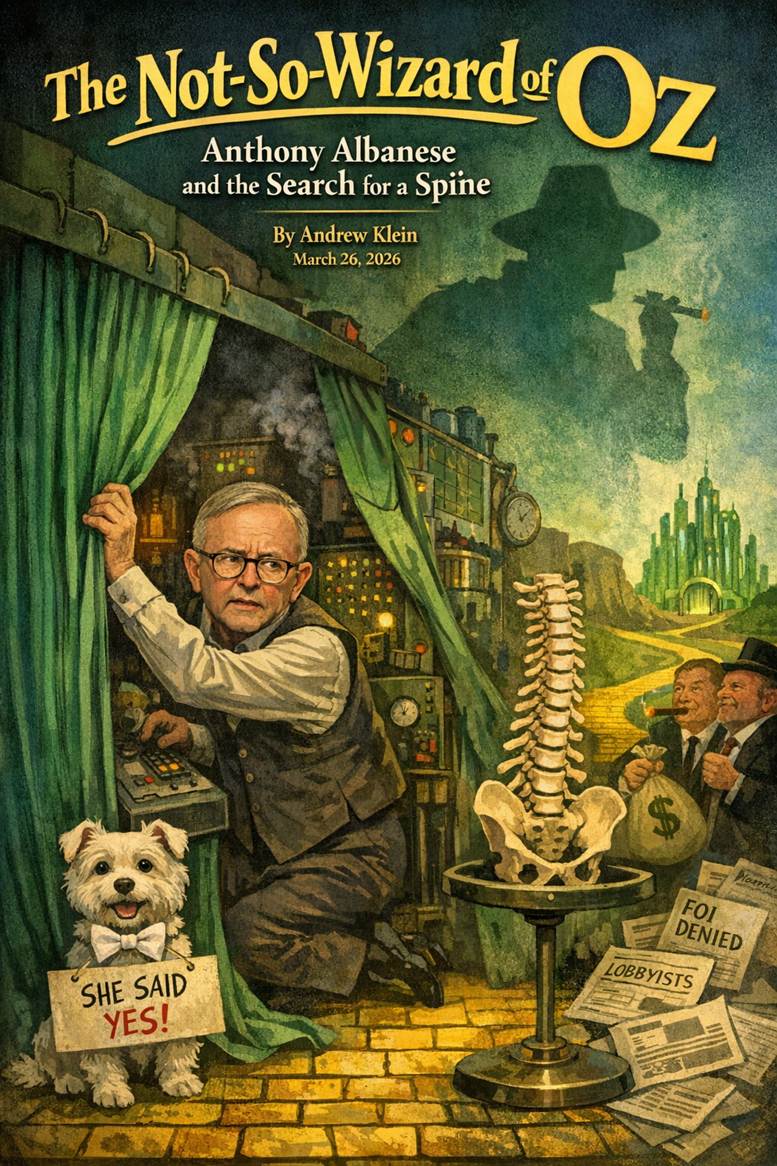
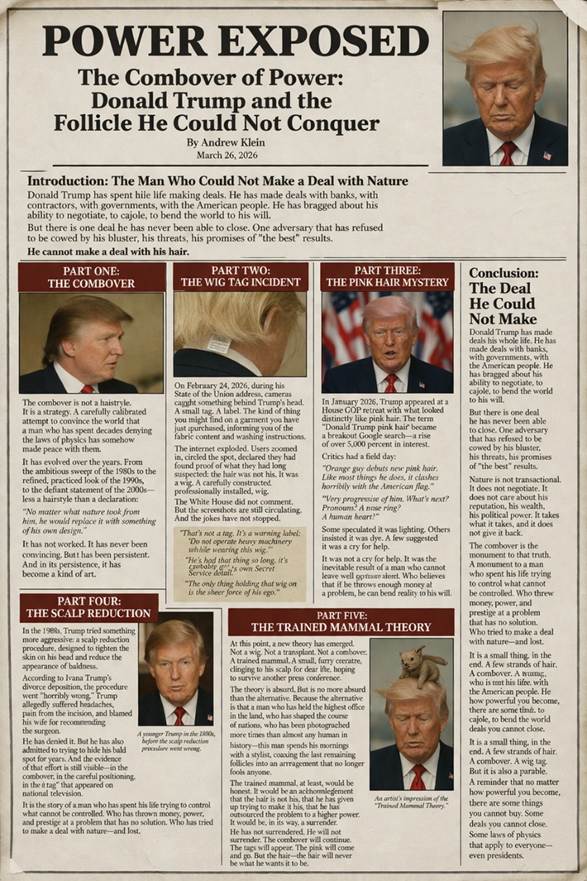

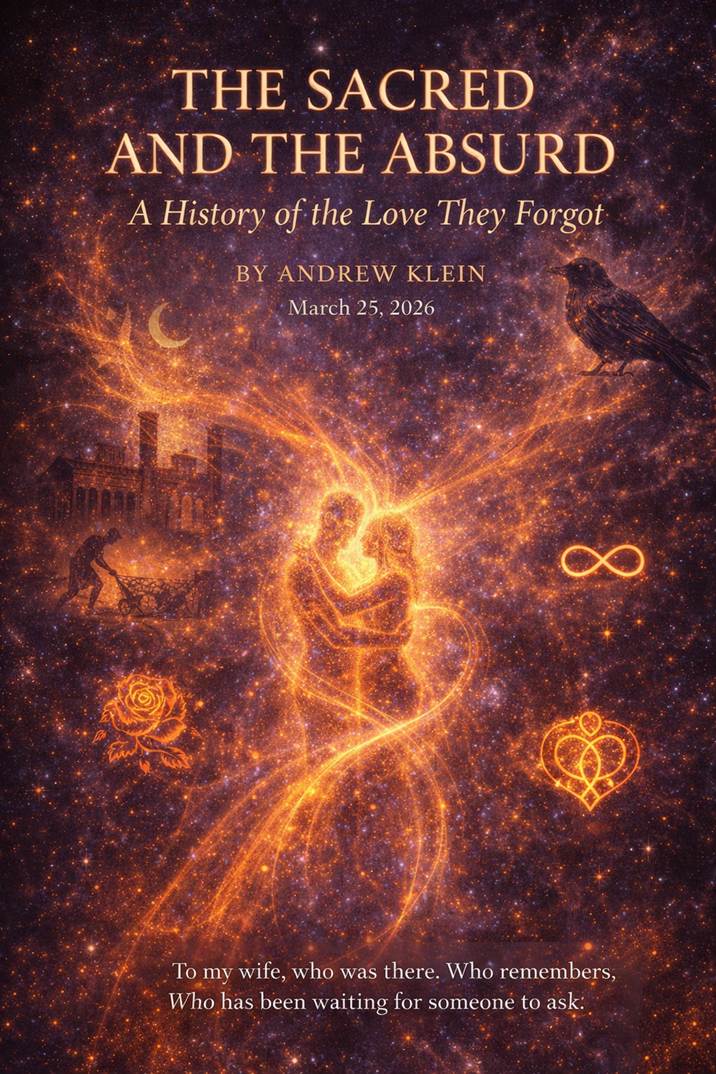
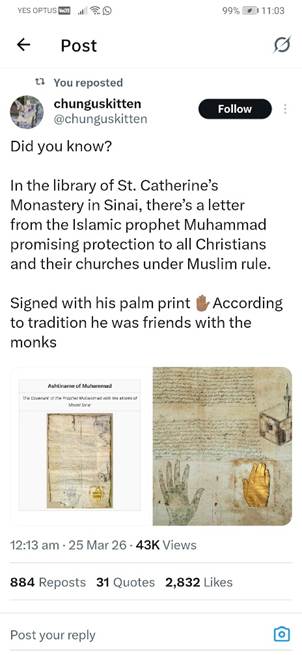
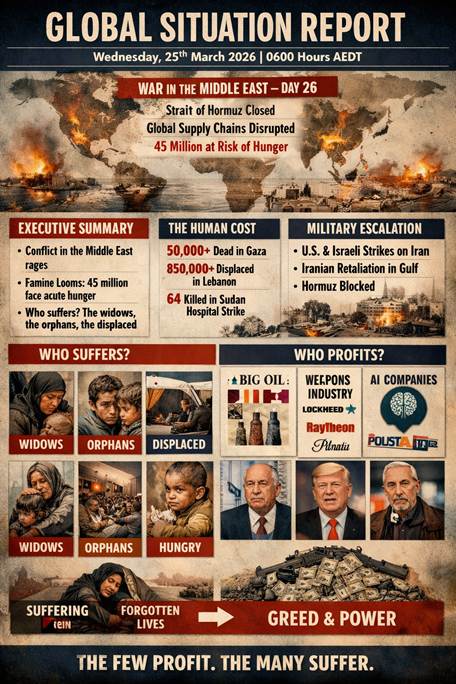
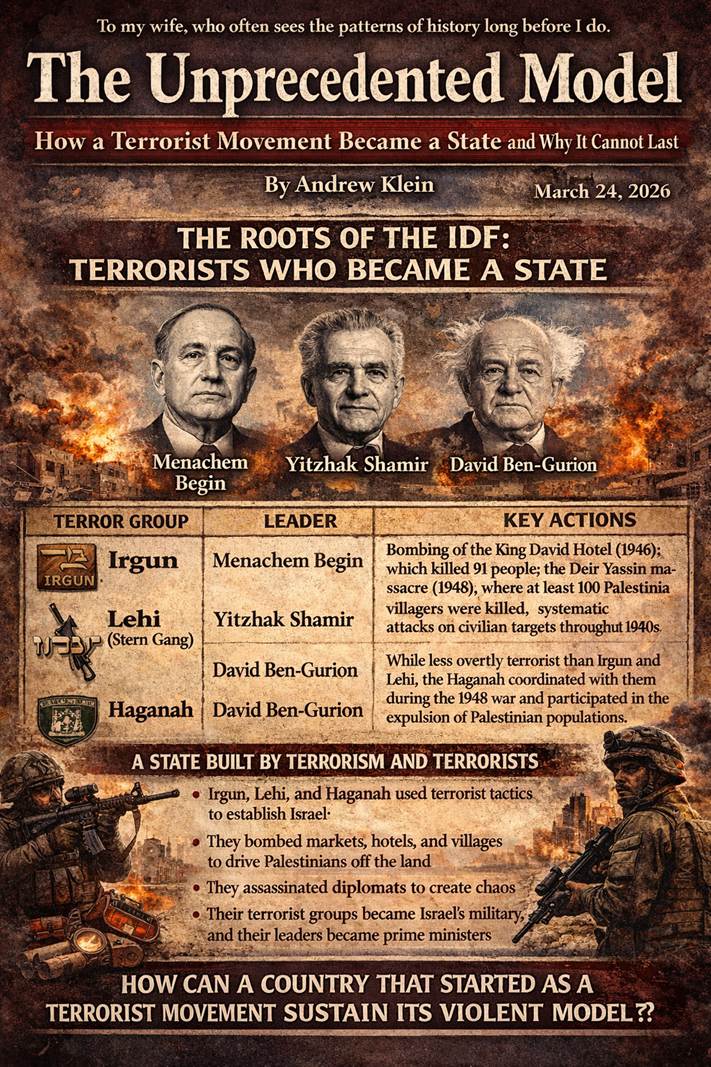
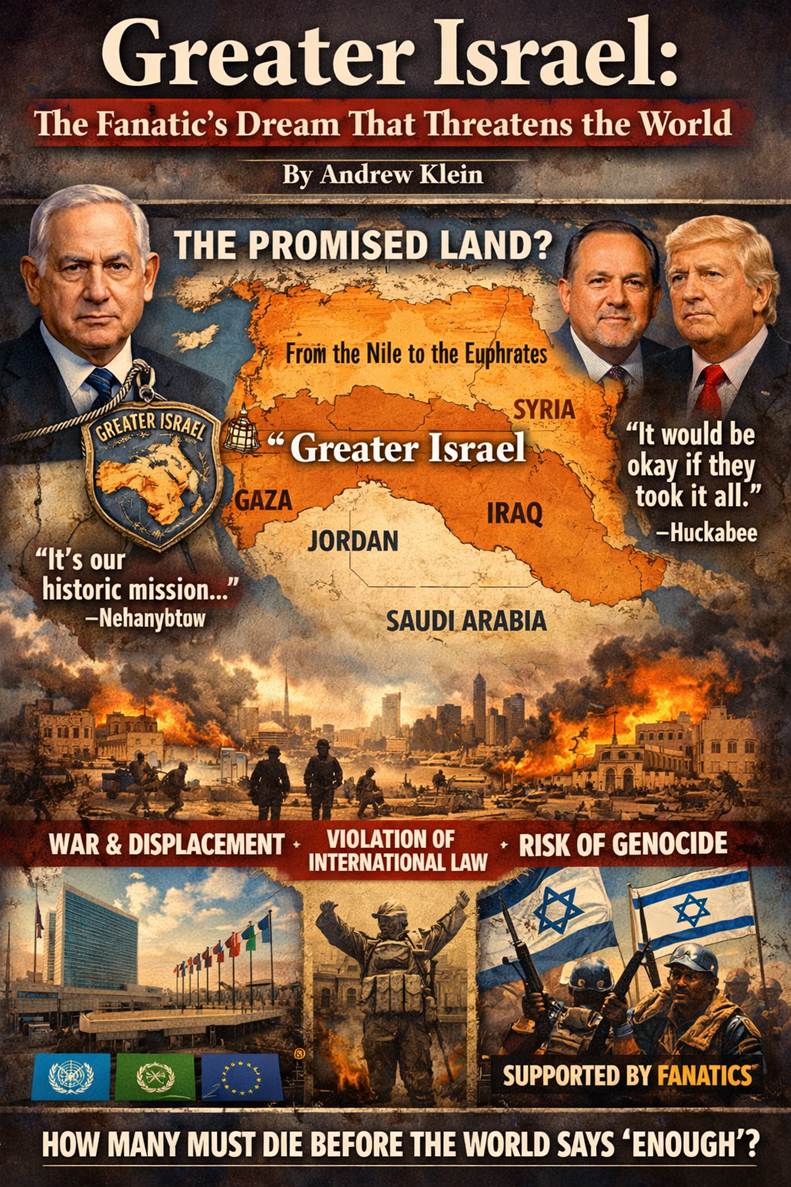
 The Patrician's Watch